
TL;DR
A Nov. 14 New York Times report describes older adults who regain weight after restrictive diets and clinicians who may discourage weight-loss drugs when a patient’s weight is considered healthy. The material provided does not include the article’s research evidence, so it does not establish that extra weight itself benefits older people.
A New York Times report published Nov. 14 examines why weight loss may not be necessary for some older adults, even as medications for weight management attract interest. The material available describes a 72-year-old woman whose doctor discouraged weight-loss drugs at a BMI of 25.7, but it does not provide the research findings behind the article’s broader question about weight and aging.

Get oils, diffusers and self-care delivered free with Prime
- Fast, free delivery on millions of items
- Prime Video, Amazon Music and more included
- Member-only deals all year
Glenna Ganster, a 72-year-old retired mental health counselor in Tucson, told the Times she has tried to lose the 10 to 15 pounds she gained after menopause. She and her husband followed an intermittent-fasting plan that severely restricted calories three days a week. They lost weight, but stopped after about two years because they were tired of the regimen; the pounds returned.
Ganster said she has since added cardio and squats to her usual weight training and walks three to four miles a day. She also described baking brownies with black beans and cookies with chickpeas to satisfy her preference for sweets. She said she feels tempted by GLP-1 medications, which are used for weight loss.
Her doctor, according to Ganster, considers her current BMI of 25.7 a healthy size and advised her against pursuing obesity drugs. She recounted the doctor telling her, “You’re fine, you’re absolutely fine. Don’t worry about it.” The source excerpt does not identify the doctor or provide a medical assessment beyond Ganster’s account.
Weight Goals Beyond the Scale
The report addresses a practical question for older adults weighing whether to pursue weight loss: body size is not the only consideration described in the material. Ganster’s experience shows that restrictive plans can be difficult to maintain, while her doctor’s advice points to an individual assessment rather than weight-loss treatment by default.
The issue also matters as GLP-1 drugs become a more visible option for people seeking to lose weight. The excerpt records Ganster’s interest and her doctor’s response, but does not offer evidence that these medications are appropriate or inappropriate for older adults generally. Readers should not take one person’s experience as medical guidance or as proof that extra weight improves health.
Products Worth Considering
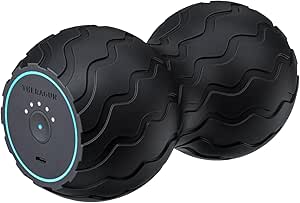
Therabody WaveDuo Contoured Vibrating Back and Neck Roller

Garmin Fenix 8 47 mm AMOLED Sapphire Multisport GPS Smartwatch with Titanium Case and Silicone Band

Hyperice Hypervolt Go 3 Portable Percussion Massage Gun
As an affiliate, we earn on qualifying purchases.
One Patient’s Weight-Loss Experience
The Times presents Ganster’s story as part of a report asking whether many older people need to lose weight. Its headline and introductory text say researchers argue that many do not need to shed pounds, even in an era of obesity drugs. However, the supplied preview contains no details of the studies, researchers, or clinical recommendations supporting that framing.
The account traces Ganster’s efforts from an intermittent-fasting routine that produced weight loss but proved tiring, to a mix of walking and strength and cardio exercises. It also records her personal wish to fit into clothes she wore decades ago. Those details illustrate her motivations and experience; they do not establish what weight or treatment is best for other people her age.
Evidence Missing From the Preview
The source provided is a preview of the Times article, not its full text. It does not specify which studies or researchers support the claim that some older adults may not need to lose weight, what populations the research covered, or whether it found that carrying extra weight improves any health outcome. The headline’s suggestion that extra weight may benefit older people should therefore be treated as a question raised by the report, not as a confirmed conclusion established by the available material.
The excerpt also gives no information about Ganster’s medical history, her doctor’s full reasoning, or how her weight, fitness and health have changed over time. BMI is the only measure cited for her. It is not clear from the material what criteria her doctor used beyond that figure, or what guidance the article offers for people with different conditions or goals.
Individual Advice Remains Key
The next step for readers considering weight loss or medication is a discussion with a health professional who knows their medical history and goals. Ganster’s account does not show that a particular diet, exercise routine or drug is suitable for others. The article preview provides no treatment recommendation or timetable for further research or guidance.
Any broader conclusion about weight and aging would depend on the evidence and caveats in the full report, which are not included in the source material supplied here. For now, the confirmed account is narrower: Ganster regained weight after stopping a restrictive plan, changed her exercise routine, and said her doctor advised against weight-loss drugs at her current BMI.
Key Questions
What happened in the report?
The New York Times published a report on Nov. 14, 2026, examining why some older adults may not need to lose weight. The supplied preview focuses on 72-year-old Glenna Ganster’s experience and her doctor’s advice.
Did the report prove that extra weight benefits older people?
No such finding is established by the material provided. The preview does not include the research details needed to assess the claim or its limits.
Why did Ganster’s doctor discourage weight-loss drugs?
Ganster said her doctor considered her BMI of 25.7 a healthy size and told her not to worry about her weight. The excerpt does not give the doctor’s full reasoning or identify the clinician.
What happened when Ganster tried intermittent fasting?
She said the plan helped her and her husband lose weight, but they stopped after about two years because they were tired of it. The weight returned, according to her account.
Should older adults avoid trying to lose weight?
The source does not support a general recommendation either way. People considering weight changes or medication should discuss their individual health and goals with a qualified health professional.
Source: nytimes.com