
TL;DR
The inaugural Super Age Games took place in New York on Nov. 13, 2026, bringing together about 500 amateur participants in their 20s through 80s for eight tests. Organizers said the results, including an age- and gender-relative score and a “Super Age” based mainly on aerobic fitness, could help participants assess longevity-related measures; the supplied report does not establish that the event can predict an individual’s lifespan.
The inaugural Super Age Games brought about 500 amateur athletes to New York City on Nov. 13, 2026, to take part in eight tests covering physical ability, cognitive processing and social connection. The event, reported by The New York Times’ Nick Heil, presented participants with scores relative to their age and gender and a separate “Super Age” rating, while organizers said the measures could offer insight into longevity-related health.

Get oils, diffusers and self-care delivered free with Prime
- Fast, free delivery on millions of items
- Prime Video, Amazon Music and more included
- Member-only deals all year
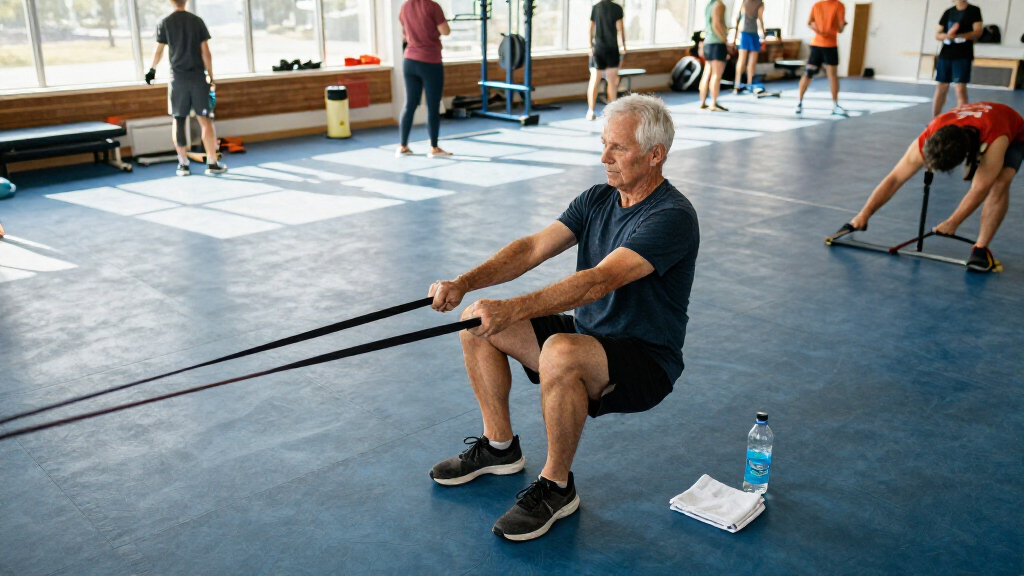
Heil competed the day before turning 60. Participants ranged from their 20s to their 80s and completed trials measuring agility, aerobic fitness and balance, alongside cognitive processing speed and social connection. The event combined a track-meet atmosphere with features of a senior sports competition and a longevity-industry gathering, according to the report.
Organizers scored competitors in each category against others of the same age and gender. A “Super Age” score was based mainly on aerobic fitness. The organizers said that, taken together, the results could help people understand how they perform on selected longevity measures and potentially forecast health span and lifespan. Those are the organizers’ claims; the supplied report does not provide evidence validating the score as a lifespan prediction.
The event also had a commercial side. Sponsors included Whoop, Altra and Braun, and attendees could try recovery and fitness products. Basic registration cost $400; a $1,400 “Champions Pass” included items such as shoes, a personalized training program and blood tests, according to the article.
Longevity Scores Meet Competition
The Games make longevity testing a public, competitive experience, rather than a private discussion between an individual and a health professional. Participants could compare performance across several measures and receive a score framed around aging. That format may appeal to people seeking concrete goals for physical activity, but it also gives commercial longevity products and services a prominent setting.
The distinction between measuring current performance and forecasting future health is important. A score from tests of fitness, balance or processing speed describes performance under those tests; it does not, on the information available here, establish how long someone will live or how healthy they will remain. Readers should treat the event’s longevity forecasts as organizer claims, not verified outcomes.
Products Worth Considering

Therabody WaveDuo Contoured Vibrating Back and Neck Roller

Oral-B iO3 Rechargeable Electric Toothbrush with 3 Cleaning Modes, Pressure Sensor, 2 Brush Heads and Travel Case, White

Coway Airmega AP-1512HHS Smart Air Purifier, Black
As an affiliate, we earn on qualifying purchases.
How the Games Were Scored
The New York Times report describes the event as the first Super Age Games, held in New York on Nov. 13, 2026. Founder David Stewart said he wanted to give people a goal for their training. The tests brought several kinds of measurement into one event, including physical abilities and measures related to cognition and social connection.
The report places the Games within a growing longevity industry, with brand sponsors and product demonstrations on site. It does not supply detailed protocols for all eight trials, explain how the combined scores were calculated, or identify independent research supporting the “Super Age” rating.
““I’ve been training for 40 years, but for what? I wanted to give people a goal.””
— David Stewart, founder of the Super Age Games, as quoted by The New York Times
Limits of the Longevity Score
The available report does not explain the testing protocols, scoring formula or evidence behind the “Super Age” calculation in enough detail to assess its accuracy. It also does not establish whether the scores have been tested against participants’ later health outcomes, or how much weight each trial receives beyond the note that the age rating is based mainly on aerobic fitness.
It remains unclear whether the organizers intend to publish validation data or follow participants over time. The event’s results should not be read as a clinical assessment or a confirmed prediction of health span or lifespan based on the information provided.
Validation and Future Events
The supplied report does not announce a date for another Games or describe a plan to release further results. The next meaningful development would be additional information from organizers about the tests, scoring methods and any research supporting their claims. Until such details are available, the event can be understood as a competitive longevity-themed assessment, with its predictive claims still unverified in the material provided.
Key Questions
What were the Super Age Games?
The inaugural New York event brought about 500 amateur participants together for eight trials involving fitness, balance, agility, cognitive processing speed and social connection.
How was a participant’s “Super Age” determined?
The report says the score was based mainly on aerobic fitness. Participants also received scores for individual categories compared with people of the same age and gender.
Can the score predict how long someone will live?
The organizers said the results could help forecast health span and lifespan, but the supplied report does not provide evidence validating that prediction. The claim should be treated as unconfirmed.
How much did it cost to attend?
Basic registration cost $400. A $1,400 Champions Pass offered additional items and services, including shoes, a personalized training program and blood tests, according to the report.
Source: nytimes.com