TL;DR
A Fit&Well report describes a broccoli, Stilton and potato soup the writer batch-cooks for weekday lunches, with 15g of protein per serving according to the report. The recipe uses potatoes, broccoli, Stilton and cottage cheese, cooked in stock and blended until smooth.
Fit&Well has published a recipe for broccoli, Stilton and potato soup that the report’s writer says they make repeatedly for weekday lunches. The recipe is described as providing 15g of protein per serving, with broccoli, potatoes, Stilton and cottage cheese blended into a smooth soup.

Get oils, diffusers and self-care delivered free with Prime
- Fast, free delivery on millions of items
- Prime Video, Amazon Music and more included
- Member-only deals all year
The recipe starts with one tablespoon of oil, a diced white onion and two minced garlic cloves. It calls for about 18 ounces of baby potatoes, one head of broccoli, a vegetable bouillon cube dissolved in about 19 fluid ounces of boiling water, eight ounces of crumbled Stilton and half a cup of full-fat cottage cheese. Salt and black pepper are added to taste.
To prepare it, soften the onion in a large saucepan over medium heat for five to seven minutes, then cook the garlic for one more minute. Add the potatoes, chopped broccoli stalk and stock, along with enough extra water to cover the vegetables if needed. Bring the mixture to a boil, then simmer, partially covered, for 10 minutes.
Add the broccoli florets and simmer for another eight to 10 minutes, until the vegetables are tender. Take the pan off the heat, stir in the Stilton until it melts, then add the cottage cheese. Blend until smooth with an immersion blender, adding water gradually if a thinner consistency is wanted. The source advises using salt carefully because both the bouillon and Stilton are salty.
A Batch-Cook Lunch With Protein
The report presents the soup as a practical option for planned weekday meals: it can be made ahead, portioned and reheated when time is limited. Its stated 15g of protein per serving gives readers a nutrition figure to compare with other lunch choices, though the source does not specify a serving size or provide a nutrition calculation.
The recipe also offers a way to use the broccoli stalk as well as the florets, while potatoes contribute body and the cheeses make the finished soup creamy. These are features of the recipe rather than evidence of a particular health outcome. Protein needs vary by person, and the reported figure should not be treated as individualized dietary advice.
Products Worth Considering
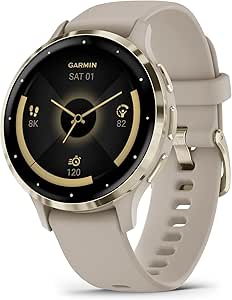
Garmin Venu 3S GPS Fitness Smartwatch, 41 mm, French Gray

Garmin Forerunner 165 GPS Running Smartwatch, 43 mm, Black

Fitbit Charge 6 Fitness Tracker Bundle – Black/Obsidian
As an affiliate, we earn on qualifying purchases.
What the Report Says About Alternatives
The Fit&Well writer says they began batch cooking for the week as cooler weather arrived and describes the soup as a go-to lunch when busy. That personal account explains the recipe’s appeal in the article, but it does not establish how widely readers make it or independently verify its nutritional figures.
The report also points to three other high-protein soup ideas. A slow-cooker chicken and wild rice soup attributed to Stacie Hassing, a registered dietitian and co-founder of The Real Food Dietitians, is listed at 286 calories and 24g of protein per serving. A white bean and lemon soup by Jamie Vespa, identified as a registered dietitian and licensed nutritionist, is reported to contain 15g of protein per 1½-cup serving. A vegan lasagna soup by Dietitian Debbie Murphy is listed at 26g of protein per serving and uses vegan cashew cream.
Those figures describe different recipes and serving measures, so they are not direct comparisons. The source provides no full instructions for the three alternatives in the supplied material.
““There’s one recipe I’ve been making on repeat: this broccoli, Stilton and potato soup.””
— Fit&Well report writer
Serving Size and Nutrition Details
The source reports 15g of protein per serving but does not state the serving size, number of portions, or how the nutrition figure was calculated. It also does not provide a full nutrition breakdown, such as calories, saturated fat or sodium, for this recipe. The amount in a portion may vary with ingredient brands and how the soup is divided.
The supplied report gives no publication date, and it is not clear whether the recipe has been independently tested or reviewed. The writer’s description of the soup as a regular lunch is a first-person account; it should not be read as a tested claim about satiety or nutritional benefits for every reader.
How to Make and Portion the Soup
Readers can follow the stated stovetop method, blend the cooked vegetables and cheeses, and adjust the thickness with water. To estimate the nutrition in a portion more precisely, divide the finished batch into measured servings and consult the labels for the ingredients used. The supplied source does not give storage or reheating instructions, so those details should be checked separately before preparing the soup well in advance.
Key Questions
How much protein does the soup provide?
The Fit&Well report lists 15g of protein per serving. It does not specify the serving size or explain how that figure was calculated.
What cheeses go into the broccoli soup?
The recipe uses eight ounces of Stilton, stirred in until melted, and half a cup of full-fat cottage cheese, added before blending.
How long does the soup take to cook?
The stated simmering times are 10 minutes for the potatoes and broccoli stalk, followed by another eight to 10 minutes after adding the florets. The recipe also includes five to seven minutes to soften the onion and one minute for the garlic; total preparation time is not provided.
Can the soup be made thinner?
Yes. The method says to blend the soup until smooth and add water gradually to reach a thinner consistency.
What other soups does the report mention?
It lists chicken and wild rice soup, white bean and lemon soup, and a vegan lasagna soup. The report gives protein figures of 24g, 15g and 26g per serving, respectively, but serving measures and recipe details differ or are not supplied for every option.
Source: fitandwell.com