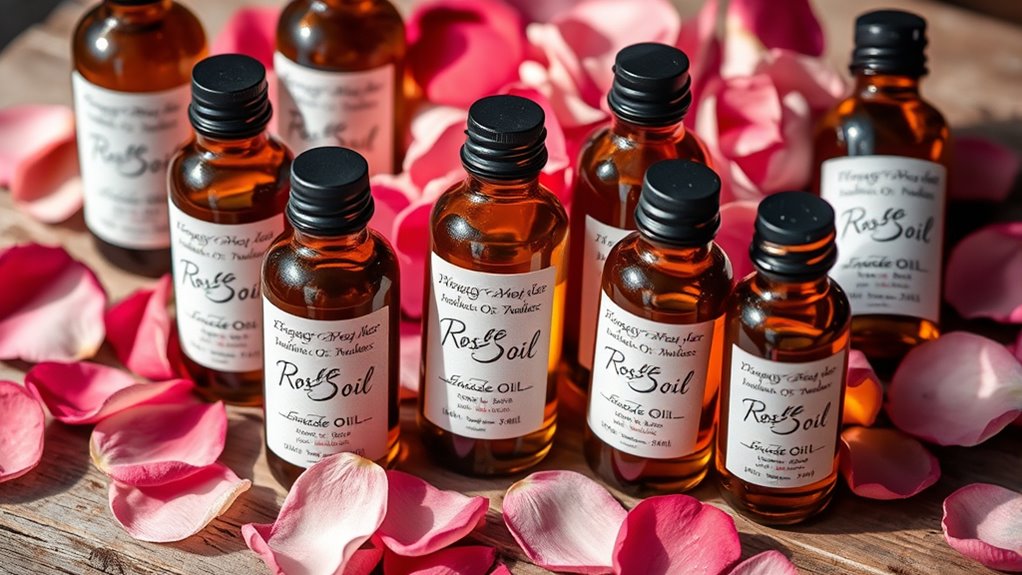

Shopping for organic rose oil means sorting through three very different products that share one name: true steam-distilled rose otto, rose absolute diluted in a carrier, and fragrance-grade blends marketed as essential oil. The gap between them is wide, and price alone won’t tell you which is which. After comparing this lineup, Alteya USDA Organic Bulgarian Rose Oil earns the top spot for its certified organic Rosa Damascena otto and transparent Bulgarian sourcing, while Avivni Rose Essential Oil stands out as a pure, undiluted alternative for aromatherapy purists and YOKEN’s USDA-certified rose petal body oil offers the easiest, safest entry point for skincare-focused buyers. The main tradeoff you’ll face: authentic single-origin rose otto costs far more per ounce than multi-use blends, and undiluted oils demand careful dilution before they touch skin. Keep reading for the full breakdown of which formula fits your budget and intended use.

Get oils, diffusers and self-care delivered free with Prime
- Fast, free delivery on millions of items
- Prime Video, Amazon Music and more included
- Member-only deals all year
Key Takeaways
- True USDA-certified organic rose otto (Alteya, Avivni) sits at the top of this category because sourcing and distillation method matter more than bottle size or added petals.
- Several products labeled ‘rose essential oil’ are actually fragrance blends or diluted absolutes — fine for diffusers, but a poor match for buyers wanting therapeutic-grade purity.
- Bulgarian Rosa Damascena appears repeatedly in this lineup because the Valley of Roses region produces the benchmark scent profile; products without stated origin were ranked lower for transparency.
- Large 4 oz bottles (SAFA, the generic 4 oz pick) deliver the best cost-per-use for body application, but none are true otto — they trade purity for volume.
- Undiluted oils require carrier-oil mixing before skin contact, which makes pre-diluted options like NOW‘s rose absolute in jojoba the safer choice for beginners.
| YOKEN Organic Rose Multi-Use Body Oil with Rose Petals, USDA Certified |  | Best Overall | Brand: YOKEN | Certification: USDA Certified Organic | Key Ingredients: Vitamin E, Rose Oil, Sweet Almond Oil, Damask Rose Petals | VIEW ON AMAZON | See Our Full Breakdown |
| SAFA Rose Body Oil | Bulgarian Rose Essential Oil & Rose Petals | 4 fl oz |  | Best for Fragrance Lovers | Brand: SAFA | Size: 4 fl oz | Fragrance Source: Bulgarian Rose essential oil (Rose Valley of Bulgaria) | VIEW ON AMAZON | See Our Full Breakdown |
| NOW Essential Oils, Rose Absolute in Jojoba, Romantic Scent, 1 fl. oz |  | Best for Beginners | Brand: NOW Foods | Size: 1 fl oz | Concentration: 5% Rose Absolute in Jojoba | VIEW ON AMAZON | See Our Full Breakdown |
| Alteya USDA Organic Bulgarian Rose Oil (Rosa Damascena Otto) Multi-Use Blend |  | Best Premium | Brand: Alteya | Certification: USDA Organic (NOP Program) | Ingredients: 100% Pure Rosa Damascena (Rose) Essential Oil Blend | VIEW ON AMAZON | See Our Full Breakdown |
| Rose Essential Oil for Skin, Face, Hair Care, Diffuser, 3.38 Fl Oz |  | Best for DIY Enthusiasts | Brand: MUNUSNA | Size: 3.38 fl oz (100 ml) | Source: Rosa Damascena petals | VIEW ON AMAZON | See Our Full Breakdown |
| Rose Essential Oil, 100% Pure Undiluted, Aromatherapy Oil for Diffuser, Hair & Skin Care |  | Best for Quality Transparency | Botanical source: Rosa damascena petals | Extraction method: Steam distillation | Purity: 100% pure, undiluted, non-GMO | VIEW ON AMAZON | See Our Full Breakdown |
| HIQILI Rose Essential Oil for Skin, Diffuser & Hair Care |  | Best Budget Entry Point | Type: Rose essential oil | Recommended skin use: 2-3 drops in carrier oil | Recommended diffuser use: 3-4 drops | VIEW ON AMAZON | See Our Full Breakdown |
| Rose Essential Oil Pure Organic Rose Oil for Diffuser, Perfume, Massage, Aroma, Bath – 10ML |  | Best for DIY and Craft Projects | Botanical source: Bulgarian Rosa damascena | Extraction method: Steam distilled from fresh petals | Purity: 100% pure organic, undiluted | VIEW ON AMAZON | See Our Full Breakdown |
| Rose Essential Oil Organic, Large 4 Fluid Ounce, 100% Pure Natural Therapeutic Organic Grade Rose Oil |  | Best Value for Volume | Volume: 4 fl oz (120ml) | Purity claim: 100% pure, undiluted, no fillers | Extraction method: Steam distilled | VIEW ON AMAZON | See Our Full Breakdown |
| Avivni Rose Essential Oil (Bulgarian Damascena) – 100% Pure & Organic, Undiluted |  | Best for Blending Enthusiasts | Botanical source: Rosa damascena (Bulgarian) | Volume: 0.33 oz (10ml) | Purity: 100% pure, undiluted, single ingredient | VIEW ON AMAZON | See Our Full Breakdown |
| organic rose oil | Uses | Brand | Extraction Method | Purity |
|---|---|---|---|---|
| YOKEN Organic Rose Multi-Use B | — | YOKEN | — | — |
| SAFA Rose Body Oil | Bulgarian | Face, body, hair, nails, fragrance layering | SAFA | — | — |
| NOW Essential Oils | Diffuser aromatherapy, pulse-point application, meditation blends | NOW Foods | Solvent extraction from rose petals | Undiluted blend, free of synthetic ingredients, purity tested in-house |
| Alteya USDA Organic Bulgarian | Skin care, hair care, aromatherapy, perfumery, cosmetics | Alteya | — | — |
| Rose Essential Oil for Skin | Skincare, hair care, diffusers, candles, soaps, perfumes, DIY blends | MUNUSNA | Steam distillation | 100% natural, no additives or fillers |
| Rose Essential Oil | Diffuser, massage blends, diluted skincare | — | Steam distillation | 100% pure, undiluted, non-GMO |
| HIQILI Rose Essential Oil for | Facial massage, diffuser, humidifier, hair care | — | — | — |
| Rose Essential Oil Pure Organi | Slime, perfume, soap, candles, bath bombs, reed diffusers | — | Steam distilled from fresh petals | 100% pure organic, undiluted |
| Rose Essential Oil Organic | Diffuser, massage, bath, soap, candles, DIY beauty | — | Steam distilled | — |
| Avivni Rose Essential Oil | — | — | — | 100% pure, undiluted, single ingredient |
More Details on Our Top Picks
YOKEN Organic Rose Multi-Use Body Oil with Rose Petals, USDA Certified
This option stands out for its USDA Certified Organic status paired with a genuinely thought-through formula: a 2:2:1 blend of vitamin E, rose oil, and sweet almond oil, with actual Damask rose petals suspended in the bottle. Compared with the Alteya blend, which is rose-only, the almond base makes this far more practical as a daily body moisturizer — it absorbs quickly, layers under clothing, and won’t sting a modest budget. The pressure-pump dispenser is a small detail that matters more than it sounds: post-shower, with wet hands, you won’t fumble a dropper cap the way you would with the NOW or MUNUSNA bottles. The tradeoff is concentration — this is a body oil first, not a true aromatherapy-grade rose, so anyone chasing an intense floral scent should look at SAFA instead.
Pros:- USDA Certified Organic with no synthetic fragrances, colorants, or preservatives
- Balanced 2:2:1 formula absorbs cleanly and works on skin, body, and nails
- Pressure-pump dispenser enables mess-free post-shower application
- Cruelty-free with real Damask rose petals in the bottle
Cons:- Rose scent is mild compared with dedicated rose oils like SAFA or Alteya
- Patch testing is recommended, so sensitive skin types face an extra step before daily use
Best for: Shoppers who want a certified organic, everyday head-to-toe moisturizer with a soft rose scent rather than a potent essential oil
Not ideal for: Buyers seeking a concentrated rose essential oil for diffusers or DIY perfumery — this is a diluted body blend
- Brand:YOKEN
- Certification:USDA Certified Organic
- Key Ingredients:Vitamin E, Rose Oil, Sweet Almond Oil, Damask Rose Petals
- Ingredient Ratio:2:2:1 (Vitamin E, Rose, Almond)
- Skin Type:All skin types
- Dispenser:Pressure pump
- Free From:Chemicals, synthetic fragrances, colorants, mineral oils, preservatives
- Cruelty Free:Yes
Our verdict“This pick makes the most sense for buyers who want one certified organic bottle that moisturizes the whole body daily with a gentle rose presence.”
SAFA Rose Body Oil | Bulgarian Rose Essential Oil & Rose Petals | 4 fl oz
Where the YOKEN leans functional, SAFA leans sensory. Scented with Bulgarian Rose essential oil from the Rose Valley, it behaves less like a skincare product and more like a wearable, skin-friendly perfume — the floral aroma lingers through the day, which neither YOKEN nor the NOW jojoba dilution can match for staying power. The base of organic sweet almond, apricot, and argan oils is cold-pressed and unrefined, so you’re getting a genuinely nourishing blend rather than a fragrance oil with a skincare label slapped on. At 4 fl oz, it also delivers more volume per bottle than most rivals in this roundup. The catch: the botanical oil blend means it isn’t a pure rose oil, and the delicate rose aroma that some find luxurious may feel too perfumey for sensitive-nosed buyers or scent-sensitive workplaces.
Pros:- Real Bulgarian rose essential oil gives long-lasting, natural fragrance
- Cold-pressed, unrefined organic carrier oil blend of almond, apricot, and argan
- Generous 4 fl oz size works out to strong value per ounce
- Non-comedogenic, vegan, and free from mineral oil, parabens, and phthalates
Cons:- No USDA organic certification stated, unlike YOKEN and Alteya
- Pronounced scent can clash with perfumes or overwhelm fragrance-sensitive users
- Rose petals in the bottle can make dispensing slightly inconsistent
Best for: Buyers who want skincare that doubles as an all-day natural rose fragrance and enjoy layering scents
Not ideal for: Anyone sensitive to lingering floral fragrance, or buyers who need a certified pure rose essential oil for aromatherapy work
- Brand:SAFA
- Size:4 fl oz
- Fragrance Source:Bulgarian Rose essential oil (Rose Valley of Bulgaria)
- Base Oils:Organic Sweet Almond, Apricot, Moroccan Argan, Vitamin E
- Processing:Cold-pressed and unrefined
- Free From:Mineral oil, parabens, phthalates, alcohol, fillers
- Ethical:Vegan, cruelty-free, non-comedogenic
- Uses:Face, body, hair, nails, fragrance layering
Our verdict“This is the pick for anyone whose rose oil needs to smell as good as it performs — skip it if you want certification paperwork or a scent-free finish.”
NOW Essential Oils, Rose Absolute in Jojoba, Romantic Scent, 1 fl. oz
Rose absolute is one of the most expensive raw materials in aromatherapy, and NOW solves that problem by pre-diluting 5% rose absolute into jojoba — making it safe to apply almost out of the box, no carrier-oil math required. That’s a genuine advantage over the MUNUSNA or the undiluted pure-rose options elsewhere in this roundup, which demand careful dilution before any skin contact. The in-house purity testing and solvent-extraction process also mean you get true rose absolute rather than a synthetic fragrance stand-in. The honest tradeoff: at 5% dilution, the aromatherapy potency is modest, and solvent extraction leaves trace residues that steam-distillation purists — the audience Alteya courts — will want to avoid. Think of this as a low-risk entry point, not the destination.
Pros:- Pre-diluted in jojoba so it’s ready to apply without mixing
- True rose absolute rather than synthetic fragrance, with in-house purity testing
- Affordable way to experience genuine rose aroma
- Vegan, never tested on animals, with a large dropper bottle for the category
Cons:- Only 5% rose absolute, limiting potency for diffusing large spaces
- Solvent-extracted, which some users avoid versus steam-distilled otto
- Not an organic-certified product
Best for: Aromatherapy newcomers who want a ready-to-use rose oil for diffusers, pulse points, and gentle skin application without dilution guesswork
Not ideal for: Purists seeking 100% pure, steam-distilled rose otto or a potent concentration for serious skincare
- Brand:NOW Foods
- Size:1 fl oz
- Concentration:5% Rose Absolute in Jojoba
- Extraction Method:Solvent extraction from rose petals
- Purity:Undiluted blend, free of synthetic ingredients, purity tested in-house
- Ethical:Vegan, not tested on animals
- Uses:Diffuser aromatherapy, pulse-point application, meditation blends
Our verdict“The smart first bottle for anyone curious about rose oil who doesn’t want dilution mistakes or a premium price tag.”
Alteya USDA Organic Bulgarian Rose Oil (Rosa Damascena Otto) Multi-Use Blend
Alteya sits at the top of this lineup for a reason: it’s a USDA Certified Organic, 100% pure Rosa Damascena oil built around anti-aging claims — fine lines, hydration, barrier repair — rather than just scent. Compared with the YOKEN, which spreads a gentler blend across the whole body, Alteya concentrates the botanical payload for dry, sensitive, or mature skin, and even crosses into hair and scalp care and natural perfumery. The vitamin-rich profile (A, B, C, E, K) supports the rejuvenation pitch. But true rose otto carries a real cost: you get less product per dollar than SAFA’s 4-ounce blend, and the fragrance is assertive — buyers who found SAFA’s scent lingering may find Alteya’s outright intense. Sensitive-to-fragrance shoppers should steer toward YOKEN instead.
Pros:- USDA Certified Organic (NOP) and 100% pure Rosa Damascena oil blend
- Genuinely multi-use: skin, hair, scalp, aromatherapy, and natural perfume
- Rich in vitamins A, B, C, E, and K with antioxidant support
- Free from parabens, sulfates, phthalates, and synthetic fragrances; vegan and non-GMO
Cons:- Rose otto is costly relative to the quantity you receive
- Fragrance intensity may overwhelm users sensitive to floral scents
- Requires more careful dosing than pre-balanced body oils like YOKEN
Best for: Buyers focused on mature or dry skin who want certified pure rose otto and accept paying more for a multi-use premium oil
Not ideal for: Budget-conscious shoppers or anyone fragrance-sensitive, given the cost per ounce and the strong floral aroma
- Brand:Alteya
- Certification:USDA Organic (NOP Program)
- Ingredients:100% Pure Rosa Damascena (Rose) Essential Oil Blend
- Free From:Synthetic fragrances, parabens, sulfates, phthalates
- Ethical:Vegan, Non-GMO
- Vitamin Profile:Vitamins A, B, C, E, and K
- Uses:Skin care, hair care, aromatherapy, perfumery, cosmetics
Our verdict“Worth the spend for shoppers who want certified pure rose otto aimed at mature-skin concerns — overkill if you just want a scented body moisturizer.”
Rose Essential Oil for Skin, Face, Hair Care, Diffuser, 3.38 Fl Oz
This MUNUSNA bottle is built for people who make their own products rather than buy them finished. At 3.38 fl oz of steam-distilled Rosa Damascena oil with no fillers, it supplies enough volume to dose into candles, soaps, shampoos, laundry blends, and diffuser recipes — territory where the smaller Alteya or the 10 ml organic options in this roundup would run dry fast. The steam distillation (versus NOW’s solvent extraction) also gives DIY formulators a cleaner label story. The flip side is that it’s highly concentrated and must always be diluted, so it’s a poor first bottle — the NOW pre-diluted option removes that learning curve entirely. And unlike Alteya, it carries no USDA certification, so buyers prioritizing documented organic status will want to pass.
Pros:- Generous 3.38 fl oz size suits ongoing DIY projects
- Steam-distilled from Rosa Damascena petals with no additives or fillers
- Extremely versatile across skincare, haircare, aromatherapy, and home-craft uses
- Family-owned brand with eco-conscious sourcing
Cons:- Must be diluted before any skin contact — unforgiving for careless users
- No USDA organic certification despite natural positioning
- No dropper or pump precision mentioned, complicating small-batch DIY measuring
Best for: DIY makers who want a large, steam-distilled, additive-free rose oil to use across candles, soaps, hair care, and diffuser recipes
Not ideal for: Beginners who want a ready-to-apply oil, or buyers who require organic certification on the label
- Brand:MUNUSNA
- Size:3.38 fl oz (100 ml)
- Source:Rosa Damascena petals
- Extraction Method:Steam distillation
- Purity:100% natural, no additives or fillers
- Uses:Skincare, hair care, diffusers, candles, soaps, perfumes, DIY blends
- Safety:External use only; dilution with carrier oil required
Our verdict“The volume pick for crafters and DIY formulators who need pure steam-distilled rose oil in quantity — not the right first bottle for casual skincare users.”
Rose Essential Oil, 100% Pure Undiluted, Aromatherapy Oil for Diffuser, Hair & Skin Care
GC/MS batch testing is what separates this Nirvana Nurture bottle from most competitors at its size, including the HIQILI oil, which publishes no comparable third-party verification. For anyone who has been burned by cut or synthetic “rose” oils before, that documentation matters more than a prettier label — it’s the closest thing to proof that you’re getting true steam-distilled Rosa damascena rather than a fragrance knockoff. The marketing leans hard on the “60,000 roses per ounce” story, which is accurate for genuine otto and explains the modest bottle size compared with the 4 oz Gya Labs-style option later in this list. Compared with RAINBOW ABBY’s similar 10ml format, this one edges ahead on testing rigor but offers fewer usage suggestions for DIY projects, so crafters may find it less versatile.
Pros:- GC/MS batch analysis verifies purity and constituents
- Free from fillers, additives, hexane, and GMOs
- Cruelty-free brand positioning
- Steam-distilled from genuine Rosa damascena petals
Cons:- Small bottle size relative to the price per milliliter of larger competitors
- Skincare claims require dilution in a carrier oil, adding an extra step and cost
Best for: Buyers who prioritize verified purity and want batch-tested documentation before putting rose oil on their skin
Not ideal for: Crafters and soap makers who need volume — a small pure bottle disappears fast in DIY batches
- Botanical source:Rosa damascena petals
- Extraction method:Steam distillation
- Purity:100% pure, undiluted, non-GMO
- Testing:GC/MS batch analysis
- Additives:Free of chemicals, fillers, hexane
- Cruelty-free:Yes
- Uses:Diffuser, massage blends, diluted skincare
Our verdict“This is the pick for buyers who want proof of purity on paper, not just promises on a label.”
HIQILI Rose Essential Oil for Skin, Diffuser & Hair Care
HIQILI keeps things simple: clear dilution instructions, a straightforward diffuser routine, and a low barrier to entry for anyone curious about rose oil without committing to premium otto pricing. Where Nirvana Nurture leads with lab documentation, HIQILI leads with usability guidance — the 2-3 drop carrier-oil formula and 3-4 drop diffuser ratio are exactly the hand-holding a first-time buyer needs. The tradeoff is transparency: there’s no GC/MS testing mentioned, and the description is thinner than RAINBOW ABBY’s on sourcing, so buyers trusting this for facial skincare are taking more on faith. Compared with the Alteya USDA-certified blend from earlier in this roundup, it lacks organic certification entirely, which matters if certification is your filter. For diffuser-first users, though, that gap is far less important than the savings.
Pros:- Explicit dilution and diffuser instructions for beginners
- Suitable for skin, hair, and aromatherapy routines
- Sustainably sourced positioning
- Low-commitment way to try rose oil
Cons:- No third-party purity testing or GC/MS documentation mentioned
- No organic certification, unlike USDA-certified competitors
- Sourcing details are vague compared with Bulgarian-origin rivals
Best for: Aromatherapy newcomers and diffuser-heavy users who want guided usage instructions at an accessible price
Not ideal for: Buyers who need certified organic status or lab-verified purity for facial skincare applications
- Type:Rose essential oil
- Recommended skin use:2-3 drops in carrier oil
- Recommended diffuser use:3-4 drops
- Sourcing:Sustainably sourced
- Uses:Facial massage, diffuser, humidifier, hair care
- Certification:None stated
Our verdict“A sensible starter bottle for diffuser users — just don’t expect the verification or pedigree of certified options.”
Rose Essential Oil Pure Organic Rose Oil for Diffuser, Perfume, Massage, Aroma, Bath – 10ML
RAINBOW ABBY names its origin — fresh Bulgarian Damask Rose, steam-distilled — and that specificity is what earns it a spot over less traceable options like HIQILI. Bulgaria’s Rose Valley is the benchmark region for damascena, and this oil leans into that pedigree with certified organic undiluted status in a 10ml format. What makes it distinct in this lineup is its craft orientation: the brand explicitly supports slime making, candle making, bath bombs, and soap, uses that the Nirvana Nurture bottle doesn’t address. That comes with tradeoffs — a 10ml bottle drains quickly across multiple DIY projects, whereas the 4 oz option from product 9 in this batch offers far more volume (though that larger oil makes no origin claims). The aroma skews sweet and garden-like rather than the deeper, greener profile of the Avivni.
Pros:- Certified organic, undiluted Bulgarian Rosa damascena
- Steam-distilled from fresh petals
- Explicitly supports wide range of DIY applications
- Named origin provides sourcing traceability
Cons:- Small 10ml volume limits larger DIY batches
- Sweet profile may read as one-dimensional for perfume blending
Best for: DIY makers who want a certified organic, traceable Bulgarian rose oil for candles, soaps, and bath products
Not ideal for: High-volume craft production or diffuser-heavy households — 10ml vanishes fast
- Botanical source:Bulgarian Rosa damascena
- Extraction method:Steam distilled from fresh petals
- Purity:100% pure organic, undiluted
- Volume:10ml
- Aroma profile:Sweet, rich floral
- Uses:Slime, perfume, soap, candles, bath bombs, reed diffusers
Our verdict“The craft-minded choice when origin and organic certification matter more than volume.”
Rose Essential Oil Organic, Large 4 Fluid Ounce, 100% Pure Natural Therapeutic Organic Grade Rose Oil
If the other bottles in this roundup are perfume, this one is a workhorse. At 4 fl oz (120ml), it holds roughly twelve times the oil of the RAINBOW ABBY 10ml bottle, and for soap makers, candle pourers, and daily diffuser addicts, that math decides the purchase on its own. The packaging supports the role: an amber UV-protective bottle with a glass dropper for mess-free dispensing at volume. The honest tradeoff is pedigree — unlike RAINBOW ABBY or Avivni, there’s no named farm region, no certification body cited, and “therapeutic organic grade” is marketing language rather than a USDA stamp like the Alteya blend earlier in this roundup. Genuine rose otto at this volume would be extraordinarily expensive, so skeptical buyers should treat this as a practical aromatics oil rather than a certified skincare-grade otto.
Pros:- Generous 120ml volume drastically lowers cost per use
- Amber glass bottle with dropper for accurate dispensing
- UV-protective packaging extends shelf life
- Multi-use across diffusers, massage, bath, and DIY beauty
Cons:- No named origin or certifying body behind the organic claim
- Volume-to-price ratio raises questions about whether it’s true rose otto
Best for: Heavy diffuser users and DIY soap or candle makers who need quantity over boutique pedigree
Not ideal for: Buyers who require certified organic documentation or named-origin Bulgarian otto for facial skincare
- Volume:4 fl oz (120ml)
- Purity claim:100% pure, undiluted, no fillers
- Extraction method:Steam distilled
- Packaging:Amber UV-protective bottle with glass dropper
- Aroma profile:Deep, sweet floral
- Uses:Diffuser, massage, bath, soap, candles, DIY beauty
- External use:Yes, external use only
Our verdict“Buy this for volume-driven aromatics projects, not for certified-organic skincare credibility.”
Avivni Rose Essential Oil (Bulgarian Damascena) – 100% Pure & Organic, Undiluted
Avivni is the perfumer’s entry in this batch. Where RAINBOW ABBY sells a single-note sweet floral, Avivni describes a delicate, romantic, slightly green damascena profile and — unusually — publishes blending suggestions: patchouli, jasmine, neroli, ylang ylang, vetiver. That guidance signals the oil is formulated with fragrance composition in mind, whether for natural perfume, hand soaps, or even wool laundry balls. It’s also a single-ingredient product with no carriers, alcohol, or preservatives, matching the purity stance of Nirvana Nurture but adding paraben-, sulfate-, and phthalate-free claims Nirvana doesn’t make. The small-business, USA hand-bottled angle appeals to buyers avoiding mass-market supply chains, though it means less batch-testing infrastructure than the big brands. At 10ml it shares the same volume limitation as RAINBOW ABBY, so diffuser-heavy users should look at the 4 oz option instead.
Pros:- Published blending pairings for perfume and DIY work
- Single ingredient — no carriers, alcohol, or preservatives
- Paraben-, sulfate-, and phthalate-free
- Hand-bottled in the USA by a small business with recyclable packaging
Cons:- Small 10ml volume limits diffuser-heavy or large DIY use
- Small-batch production means less third-party testing scale than larger brands
Best for: Fragrance hobbyists and natural-perfume makers who want blending guidance and a cleaner ingredient profile
Not ideal for: Households running a diffuser daily — 10ml won’t last, and the price reflects genuine damascena
- Botanical source:Rosa damascena (Bulgarian)
- Volume:0.33 oz (10ml)
- Purity:100% pure, undiluted, single ingredient
- Free from:Carriers, alcohol, preservatives, parabens, sulfates, phthalates
- Aroma profile:Delicate, romantic floral, slightly green
- Blends well with:Patchouli, jasmine, tea tree, ylang ylang, neroli, vetiver
- Origin:Hand bottled in the USA
- Cruelty-free:Vegan, never tested on animals
Our verdict“The blender’s bottle — pick it when you’re composing scents, not filling a diffuser every day.”

How We Picked
I evaluated each product against four criteria that actually separate good rose oil from clever marketing. Certification and sourcing came first: USDA organic certification and named Bulgarian origin carry real weight here, because rose otto is one of the most adulterated oils on the market and third-party verification is the only reliable signal. Purity and formulation came second — undiluted steam-distilled otto ranks above absolute-in-carrier, which ranks above unspecified blends, since each tier behaves differently on skin and in diffusers. Intended use fit was third: a body oil with visible petals is genuinely better for massage than a 10 ml otto bottle, so I judged each product against what it claims to do rather than against otto purity alone.
Finally, I weighed value and usability: cost per use, dropper quality, dilution requirements, and how forgiving each product is for a first-time buyer. This is why the ranking runs from certified single-origin otto at the top, through pure-but-transparent alternatives in the middle, down to high-volume blends that serve body-care buyers rather than aromatherapy purists. The order reflects who each oil is for — not just how good the label looks.
| organic rose oil | Brand | Extraction Method |
|---|---|---|
| YOKEN Organic Rose Multi-Use B | YOKEN | — |
| SAFA Rose Body Oil | Bulgarian | SAFA | — |
| NOW Essential Oils | NOW Foods | Solvent extraction from rose petals |
| Alteya USDA Organic Bulgarian | Alteya | — |
| Rose Essential Oil for Skin | MUNUSNA | Steam distillation |
| Rose Essential Oil | — | Steam distillation |
| HIQILI Rose Essential Oil for | — | — |
| Rose Essential Oil Pure Organi | — | Steam distilled from fresh petals |
| Rose Essential Oil Organic | — | Steam distilled |
| Avivni Rose Essential Oil | — | — |
Factors to Consider When Choosing Organic Rose Oil
Before clicking buy on any bottle in this roundup, understand the category’s central problem: ‘rose oil’ legally describes dozens of very different products, and the label rarely tells the whole story. These are the factors that separate a bottle you’ll love from one that smells vaguely of rose and disappoints on everything else.
Otto vs. Absolute vs. Blend: Know Which You’re Buying
Steam-distilled rose otto is the gold standard — it takes roughly 10,000 pounds of petals to produce one pound of oil, which explains both the premium pricing and the superior therapeutic profile. Rose absolute is solvent-extracted; it smells richer and more true-to-flower but retains trace solvents, so many brands pre-dilute it in jojoba (as NOW does). At the bottom tier are fragrance blends, which may contain little or no actual rose. A common mistake is assuming a bigger bottle means better value — the 4 oz options in this lineup are blends, while the 10 ml bottles hold the real distillate. Match the format to your use: otto for aromatherapy and targeted skincare, absolute blends for perfume and massage, blends for diffusers and DIY projects where cost matters more than purity.
Certification and Origin Claims
USDA organic certification is the strongest signal in this category because it applies to the entire supply chain, not just the farm. Beyond that, look for a named harvest region — Bulgarian Rosa Damascena from the Valley of Roses is the benchmark, and brands like Alteya and Avivni state it openly. Vague phrases like ‘therapeutic grade’ carry no regulatory meaning; anyone can print them. Also watch for chemotype and batch testing: reputable producers publish GC/MS reports even when they don’t certify organic. If a listing buries the plant’s Latin name or avoids naming the country, treat that as a warning sign rather than a formatting quirk.
Dilution Requirements and Skin Safety
Undiluted rose otto can irritate skin applied straight from the bottle, and this trips up more first-time buyers than any other mistake. The safe working range for facial use is typically 1–2% dilution in a carrier oil — about 6–12 drops per ounce of jojoba or sweet almond. Pre-diluted products like NOW’s jojoba blend solve this for you, which is exactly why they suit beginners. If you buy an undiluted oil like Avivni’s, budget for a carrier oil and a small dropper bottle, or plan to use it exclusively in a diffuser. Also patch-test on the inner forearm before facial use; even certified organic oils cause reactions in sensitive individuals.
Bottle Size, Packaging and Shelf Life
Rose oil oxidizes, and oxidized oil loses both scent and skin benefits while gaining irritant potential. A 10 ml dark glass bottle with a reducer orifice is the industry standard for otto because most households can’t use more within its 2–3 year shelf life anyway. The 4 oz bottles in this roundup make sense only for high-volume body application or soap making, where you’ll empty them within a year. Avoid clear glass and plastic containers — UV and oxygen are the two enemies of rose oil. Storage matters too: a cool, dark cabinet extends life, while a sunny bathroom shelf shortens it dramatically.
Matching the Oil to Your Actual Use Case
Buyers who skip this step end up with the wrong product even when it’s a good one. For diffuser aromatherapy, purity matters less and volume matters more — a large blend bottle serves you fine. For facial skincare, only certified pure otto or a properly diluted absolute makes sense, since you’re applying it to your most sensitive skin daily. For massage and body oil, petal-infused multi-use oils like YOKEN and SAFA deliver the experience at a fraction of otto pricing. For perfume, rose absolute’s deeper, honeyed profile actually beats otto’s greener scent. Write down your primary use before comparing prices, and half the decision makes itself.
Frequently Asked Questions
Why is real rose otto so much more expensive than other rose oils?
The price gap comes down to a single number: it takes several thousand pounds of rose petals to produce one pound of steam-distilled otto, and the harvest window in regions like the Bulgarian Valley of Roses lasts only a few weeks each year. Inexpensive ‘rose oils’ get their scent from cheaper essential oils, synthetic fragrance compounds, or highly diluted absolute, none of which carry the same molecular profile. That doesn’t make cheap bottles worthless — for diffusers and DIY projects they’re often the smarter buy — but it explains why Alteya and Avivni cost more per ounce than a 4 oz blend. If a bottle advertises pure otto at blend-level pricing, the claim deserves skepticism, because genuine otto pricing is constrained by agricultural reality no brand can escape.
Can I apply undiluted rose essential oil directly to my face?
Even with certified organic oils, direct application of undiluted rose otto is a gamble with sensitive facial skin. The standard practice is diluting to 1–2% in a carrier — roughly 6 to 12 drops per fluid ounce of jojoba, sweet almond, or rosehip oil — before it touches your face. Products like NOW’s rose absolute in jojoba handle this step at the factory, which is why pre-diluted formats suit people who don’t want to mix their own. Undiluted oils like Avivni’s are designed for diffuser use or careful DIY blending, not neat application. Patch testing on the inner arm for 24 hours before facial use catches most reactions before they happen on your face.
Do rose petals floating in the bottle actually add anything?
Petals in the bottle, as seen in the YOKEN and SAFA body oils, are mostly an aesthetic and mild infusion signal rather than a potency indicator. A few petals do lend slight additional scent and plant compounds to the carrier oil over time, but the therapeutic value of the product comes from the oil blend itself. The honest framing: petals signal that the product is a body and massage oil, not a concentrated essential oil, and that positioning is exactly what makes these bottles pleasant to use straight from the package. Buyers wanting clinical-grade aromatherapy should look past petal products entirely. Buyers wanting a giftable, ready-to-use body oil will find the petals a genuine plus rather than a gimmick.
Is Bulgarian Rosa Damascena really better than rose oil from other regions?
Bulgarian Rosa Damascena isn’t automatically better, but it is the most studied and most consistently produced rose in the world, which matters when you’re buying sight unseen. The Valley of Roses has centuries of distillation infrastructure, and brands sourcing from there — like Alteya, SAFA and Avivni in this lineup — tend to publish more information about harvest and processing. Turkish and Moroccan rose oils can be excellent, but origin disclosure in those cases matters even more, because quality varies more widely between producers. My advice: treat ‘Bulgarian’ as a strong default rather than a guarantee, and treat a missing origin statement as a reason to keep shopping. The country name on the label is a proxy for accountability, and accountability is what you’re actually paying for at the premium tier.
Should a beginner start with a pure otto or a pre-blended rose oil?
Beginners almost always get better results from a pre-diluted or body-oil format, because the two most common first-timer mistakes — applying undiluted oil and overdosing in the diffuser — are both engineered out of the product. YOKEN’s multi-use body oil and NOW’s jojoba-based absolute let you experience rose oil’s scent and skin feel immediately without buying carriers, droppers, or doing any math. Pure otto like Alteya’s rewards experience: once you know your dilution ratios and how your skin responds, its concentration becomes an advantage rather than a liability. A reasonable path is starting with a blend for a month, then graduating to otto if rose becomes part of your routine. The worst outcome for a newcomer is an expensive otto bottle used incorrectly and written off entirely.
Conclusion
The right choice in this lineup depends less on which bottle is ‘best’ and more on what you plan to do with it. For best overall, Alteya USDA Organic Bulgarian Rose Oil wins on certified purity, named origin, and versatility across skincare and aromatherapy. For best value, the 4 oz organic therapeutic-grade bottle delivers volume for diffusers, soap making, and DIY projects at a per-use cost otto can’t touch. For best premium, Avivni’s Bulgarian Damascena otto offers undiluted single-flower purity for buyers who want the most concentrated authentic distillate. For beginners, YOKEN’s USDA-certified petal body oil removes every usability barrier, while NOW’s rose absolute in jojoba is the safest pre-diluted facial option. For specific needs: SAFA for at-home massage and bath rituals, and HIQILI or the 10 ml organic pick for travel-size diffuser use. Decide your primary use first — face, diffuser, or body — and this list narrows to one obvious answer.
Fall Picks
fall essentials
As an affiliate, we earn on qualifying purchases.