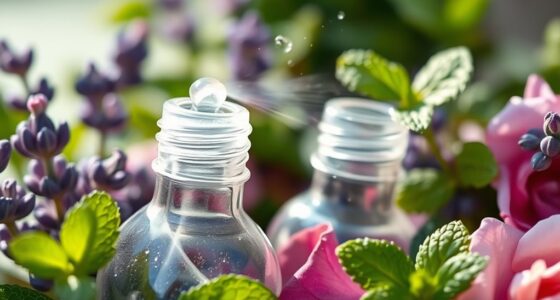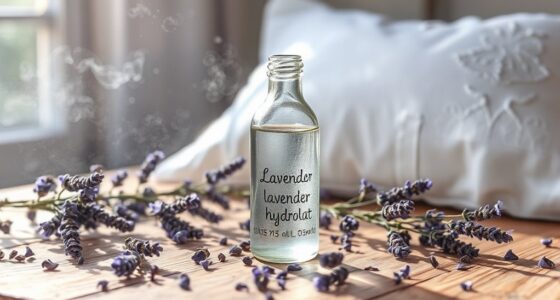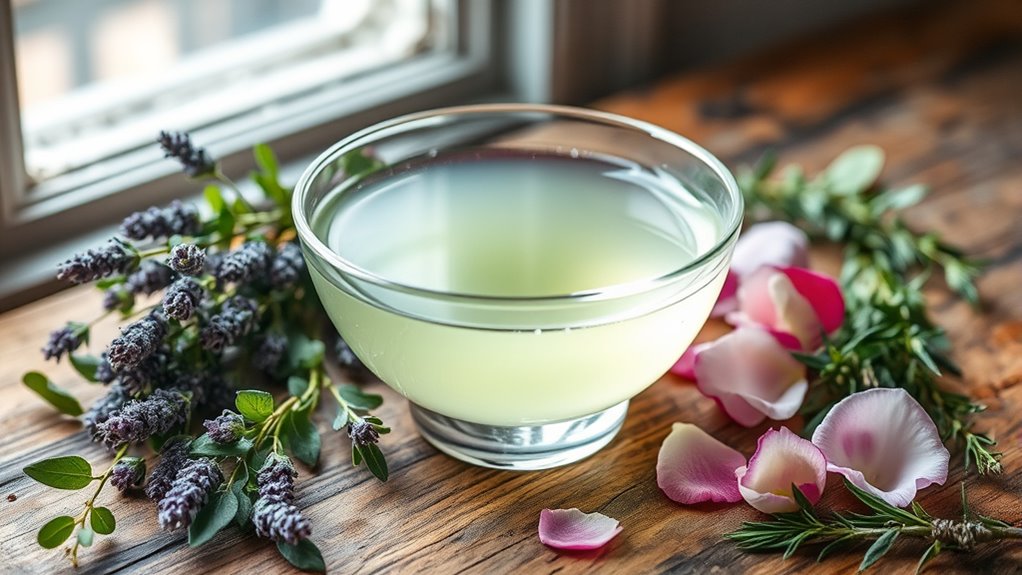

Hydrolats, also called hydrosols or floral waters, are gentle aromatic waters made by steam distilling plant materials like flowers or leaves. During distillation, steam heats the plants, releasing essential oils and water-soluble compounds, which then condense into a mixture. This naturally separates into water infused with plant properties—your hydrolat. It’s a soft, fragrant product perfect for skincare and gentle use. To explore more about how they’re created and their benefits, keep going.

Get oils, diffusers and self-care delivered free — and shop member deals
- Fast, free delivery on millions of items
- Access to Prime Big Deal Days deals on October 6–7
- Prime Video, Amazon Music and more included
Key Takeaways
- Hydrolats, or hydrosols, are aromatic waters obtained from steam distillation of plants.
- They contain water-soluble plant compounds and retain the plant’s natural aroma and properties.
- During distillation, steam vaporizes essential oils and plant components, which condense into a mixture of water and oil.
- The essential oils separate from the water due to density differences, leaving behind the hydrolat.
- Hydrolats are gentle, water-based products suitable for skincare, aromatherapy, and sensitive skin applications.
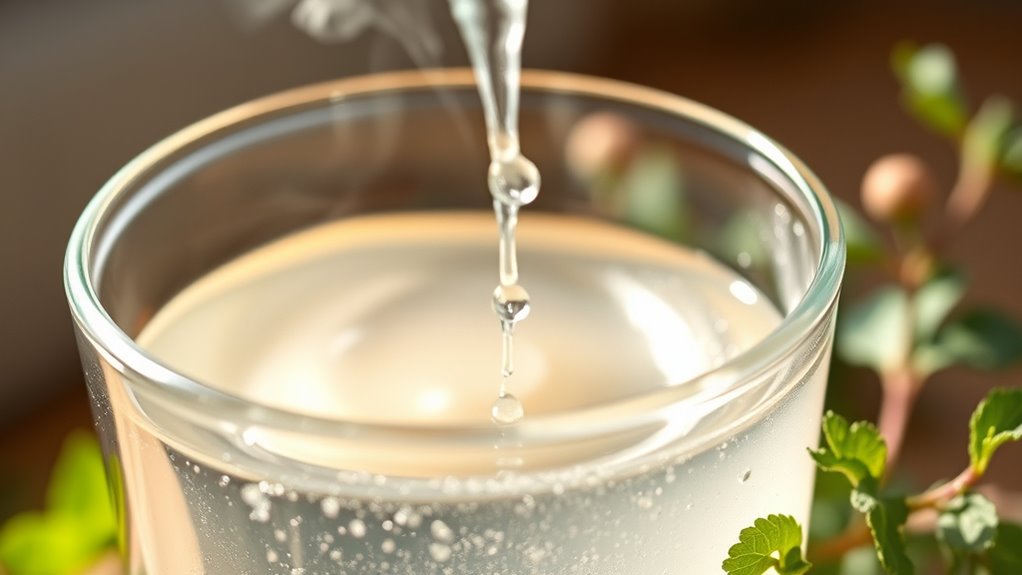
Hydrolats, also known as floral or herbal waters, are gentle, aromatic liquids produced during the steam distillation of plants. When you explore how these waters are created, you’ll find that botanical extraction plays a key role. The process begins with carefully selecting the plant material—whether it’s flowers, leaves, or stems—that contains the aromatic compounds you want to capture. These plant parts are then subjected to distillation techniques, which involve steaming the plant matter to release their essential oils and other volatile compounds. Unlike direct extraction methods, distillation separates the aromatic components based on their boiling points, ensuring a pure and delicate end product.
During the distillation process, the plant material is placed in a still, and steam is passed through it. As the steam heats the plant material, it causes the essential oils and other constituents to vaporize. These vapors then rise and are collected in a condenser, where they cool and convert back into liquid form. Because the essential oils are less dense and tend to float on top of the water, the resulting mixture separates naturally. The water, now infused with tiny amounts of plant compounds, is what we refer to as hydrolat or hydrosol. This method preserves much of the plant’s original aroma and properties, making hydrolats a gentle alternative to pure essential oils.
The botanical extraction used in producing hydrolats is highly specific, aiming to retain the plant’s delicate aromatic profile without damaging its beneficial compounds. The distillation techniques employed are carefully controlled to optimize the extraction of these volatile substances, ensuring that the final product is both fragrant and therapeutic. Because hydrolats contain water-soluble components, they can be used directly on the skin, in facial mists, or added to baths, making them versatile in skincare routines. Their gentle nature also means they’re suitable for sensitive skin, providing a soothing experience without harsh chemicals or synthetic fragrances. Additionally, the distillation process ensures that the hydrolats maintain the therapeutic qualities of the original plant material.
As an affiliate, we earn on qualifying purchases.
Frequently Asked Questions
Can Hydrolats Be Used Internally?
You might wonder if hydrolats can be used internally. While some claim certain hydrolats are safe for internal use, you should always exercise caution, as safety considerations vary depending on the type and quality. It’s best to consult a healthcare professional before ingesting hydrolats, since not all are suitable for internal use, and improper use could cause adverse effects. Always prioritize safety and proper guidance.
Are Hydrolats Safe for Children and Pets?
You should consider safety considerations before giving hydrolats to children or pets. While some hydrosols are generally safe, pediatric usage requires caution due to their sensitive systems. Always dilute them properly and consult a healthcare professional or veterinarian first. Avoid using potent or unfamiliar hydrosols around children and pets, and monitor for any adverse reactions. Your careful approach guarantees safe and beneficial use of hydrolats for your loved ones.
How Long Do Hydrolats Stay Fresh?
You might wonder how long hydrolats stay fresh. Generally, their storage duration depends on proper storage conditions, but most have a shelf life of about 1 to 2 years. To maximize freshness, keep them in a cool, dark place and make certain the bottle is tightly sealed after each use. Proper storage helps preserve their aroma, efficacy, and safety, so check for any changes in smell or appearance before use.
What Is the Difference Between Hydrolats and Essential Oils?
You’ll notice that hydrolats and essential oils differ mainly in their distillation process and aromatic properties. Hydrolats are the aromatic water left after steam distillation, containing mild plant compounds, so they’re gentler and more hydrating. Essential oils, however, are concentrated extracts with stronger aromatic properties, obtained through distillation or cold pressing. This makes hydrolats ideal for skincare, while essential oils are better for therapeutic uses.
Can Hydrolats Be Homemade or Should They Be Purchased?
You can definitely make hydrolats at home through DIY distillation or homemade extraction methods, but it requires proper equipment and safety precautions. While some enthusiasts enjoy creating their own hydrosols, commercial options often guarantee purity and consistency. If you’re new to this, purchasing high-quality hydrolats might be safer and more reliable. However, if you’re experienced, homemade extraction can be a rewarding way to craft personalized, natural hydrosols.
Conclusion
Think of hydrolats as the gentle whispers of plants, capturing their essence like a delicate song sung softly in a garden. Just as a melody lingers long after the music stops, hydrolats preserve the plant’s subtle energy and aroma. When you use them, you’re not just applying a liquid—you’re engaging with a piece of nature’s soul. Embrace hydrolats as your botanical lullaby, bringing harmony and tranquility into your daily routine.
Halloween Picks
halloween
As an affiliate, we earn on qualifying purchases.