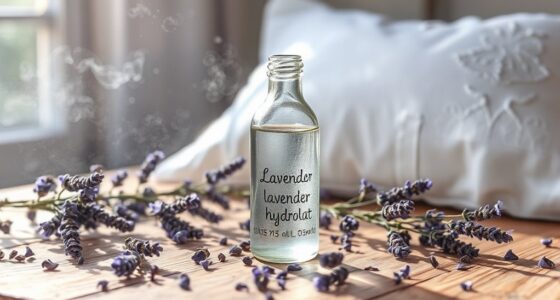
Hydrolats, also known as floral waters, are gentle, aromatic byproducts of essential oil distillation. They capture the plant’s essence while remaining milder than essential oils, making them safe for direct use on your skin. Perfect for skincare, room sprays, or culinary uses, hydrolats offer a range of therapeutic benefits. From calming lavender to invigorating peppermint, there’s a hydrolat for everyone. Discover more about their applications and benefits as you explore this enthralling topic further.

Get oils, diffusers and self-care delivered free with Prime
- Fast, free delivery on millions of items
- Prime Video, Amazon Music and more included
- Member-only deals all year
Key Takeaways
- Hydrolats are gentle byproducts of essential oil distillation, containing milder aromatic compounds suitable for direct skin application.
- Unlike essential oils, hydrolats require no dilution and can be used in skincare, culinary, and household applications.
- Aromatic and therapeutic properties of hydrolats vary; for example, lavender promotes relaxation, while peppermint invigorates the senses.
- Quality matters; choose hydrolats from reputable suppliers to ensure beneficial properties and aromatic integrity.
- Common uses include facial toners, room sprays, and even laundry fresheners for a pleasant scent.

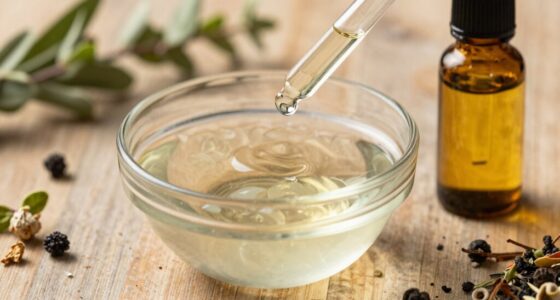
Hydrolats, often referred to as floral waters, are a fascinating byproduct of essential oil distillation. When you think about how essential oils are extracted, you might picture the intense process of botanical extraction, where steam distillation brings forth the pure essence of plants. During this process, the steam captures the volatile aromatic compounds, and when it cools, it transforms back into liquid. What you get as a result is both the essential oil, which is potent and concentrated, and the hydrolat, which carries a milder, yet equally enchanting essence of the plant.
Hydrolats, or floral waters, emerge as gentle companions in the world of essential oils, capturing the plant’s essence through steam distillation.
You might wonder what the difference is between hydrolats and essential oils. While essential oils are highly concentrated and require careful dilution before use, hydrolats are gentler and can often be used directly on the skin. This makes them an excellent choice for those with sensitive skin or anyone looking for a more delicate touch. Plus, they maintain a variety of aromatic benefits, offering a sensory experience that’s both soothing and uplifting. You can use hydrolats in a variety of ways, whether in skincare routines, as room sprays, or even in culinary applications.
When you incorporate hydrolats into your daily regimen, you’re not just enjoying their pleasant scents; you’re also tapping into their therapeutic properties. Many hydrolats like rose or lavender are known for their calming effects, while others, such as peppermint, can invigorate and refresh. The aromatic benefits of these floral waters can help elevate your mood, promote relaxation, or even aid in concentration. You might find that a simple spritz of lavender hydrolat can transform a stressful day into a more serene experience. Additionally, hydrolats like eucalyptus oil can provide respiratory support, making them a versatile addition to your wellness routine.
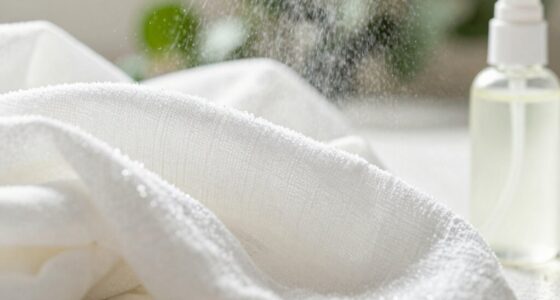
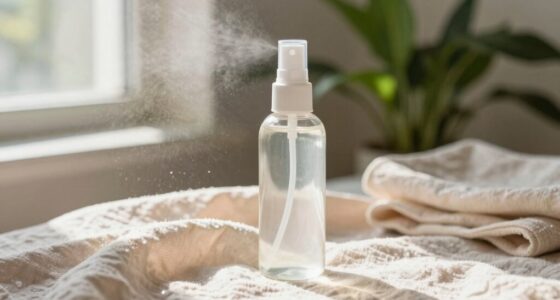
As you explore the world of hydrolats, you’ll also discover a range of applications. You can use them as facial toners, hair mists, or even in your laundry for a fresh scent. Their versatility makes them perfect for incorporating into DIY projects. However, it’s essential to choose high-quality hydrolats from reputable sources to ensure you’re getting the best extraction process and the most beneficial properties.
As an affiliate, we earn on qualifying purchases.
Frequently Asked Questions
Can Hydrolats Be Used in Cooking or Food Recipes?
Yes, you can use hydrolats in cooking for flavorful culinary applications! These aromatic waters can enhance dishes with their unique flavors. For instance, adding rose hydrolat can give desserts a floral note, while lemon hydrolat can brighten up savory recipes. Just remember to use them sparingly, as their concentrated nature can easily overpower other flavors. Experimenting with hydrolats can lead to delightful flavor enhancements in your meals!
How Should Hydrolats Be Stored for Longevity?
To store hydrolats for longevity, keep them in a cool, dark place, away from direct sunlight and heat. Use dark glass bottles to minimize light exposure, which can degrade their quality. Make sure the bottles are tightly sealed to prevent contamination. With proper storage, hydrolats can have a shelf life of up to a year. Following these storage tips will help maintain their potency and aroma for longer periods.
Are Hydrolats Suitable for Children and Pets?
Yes, hydrolats can be suitable for children and pets, but caution’s key. When considering pediatric skincare, always opt for gentle, child-safe varieties and do a patch test first. For pets, verify the hydrolats are non-toxic and safe for their specific needs. Always consult your pediatrician or veterinarian to confirm safety. By choosing wisely and using them correctly, you can enhance your family’s wellness while keeping your furry friends safe.
Can I Use Hydrolats if I Have Sensitive Skin?
Yes, you can use hydrolats if you have sensitive skin, but it’s important to proceed with caution. Start with a patch test on a small area to check for skin sensitivity or any allergic reactions. If you notice irritation, it’s best to avoid that particular hydrolat. Opt for gentler options like chamomile or lavender, which are often soothing. Always listen to your skin’s reactions and adjust accordingly for the best experience.
What Is the Difference Between Hydrolats and Essential Oils?
Hydrolats and essential oils are like apples and oranges—their botanical distinctions and extraction methods set them apart. While essential oils are concentrated extracts obtained through steam distillation, hydrolats are the aromatic water left behind after this process. You’ll find hydrolats milder and more suitable for sensitive skin, while essential oils pack a potent punch. Understanding these differences helps you choose the right product for your needs.
Conclusion
Now that you’ve got the answers to your hydrolat questions, you might be wondering how to incorporate these fragrant wonders into your daily routine. Will they transform your skincare game or elevate your culinary creations? The possibilities are endless, and the benefits could be just what you need! But wait—what if there’s a secret hydrolat that could change everything for you? Stay curious, because your next favorite beauty or flavor enhancer might be just around the corner!
Halloween Picks
halloween
As an affiliate, we earn on qualifying purchases.