TL;DR

Get oils, diffusers and self-care delivered free with Prime
- Fast, free delivery on millions of items
- Prime Video, Amazon Music and more included
- Member-only deals all year
Fit&Well published a two-minute movement routine recommended by Steve Powell, Power Plate’s director of training and education, for breaking up sedentary work periods. The four gentle 30-second steps may offer a brief pause and change of posture, but Powell says they will not resolve every source of stress.
Fit&Well has published a two-minute movement routine for people looking to break up long periods of sitting, with Power Plate training director Steve Powell recommending four gentle 30-second steps. The advice is presented as a brief everyday pause, not a treatment for stress or a replacement for addressing its causes.
The routine is designed to be done without special equipment, gym clothes or a dedicated space. Powell says short movement breaks can fit into a working day more easily than trying to schedule a lengthy workout. He suggests activities such as walking around an office, rolling the shoulders between meetings or doing gentle mobility exercises while waiting for a kettle to boil.
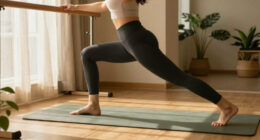
The sequence begins with 30 seconds of shoulder movement: sit or stand comfortably, lower the shoulders away from the ears, roll them backward five times and then forward five times, and gently bring the shoulder blades together before relaxing. The next 30 seconds are for opening the chest by standing with feet hip-width apart and moving the shoulders back while opening the arms to the sides. The stretch should stay comfortable rather than being forced.
For the third step, spend 30 seconds shifting weight between the feet and adding a few slow standing side bends, moving only as far as feels comfortable. The final 30 seconds are a pause: stand tall, relax the arms and take a few unhurried breaths, noticing how the shoulders feel. Powell describes the goal as changing position after sitting still, rather than improving flexibility in two minutes.
A Short Break From Deskbound Work
Powell’s advice focuses on a practical obstacle for people with busy schedules: finding time and motivation for activity during a workday. Brief movement breaks can be done between tasks and do not require setting aside an hour or changing into exercise clothes. That makes the routine an accessible option for interrupting a sedentary spell.
The suggested benefit is modest. Powell says a pause may help someone step away from what is occupying their attention, change posture and notice how their body feels. He also cautions that movement is not a cure for stress, and a two-minute routine cannot undo the effects of a demanding week. Readers should treat it as a small break, not evidence that the underlying pressures have been resolved.
That distinction matters because the advice is framed around everyday wellbeing, not a clinical intervention. The source does not report a study testing this particular sequence or provide measurements of its effects on stress. Its value, as presented, is that it offers a simple prompt to move and pause during a day otherwise spent sitting.
Products Worth Considering

Withings Sleep Under-Mattress Sleep Tracking Pad

BowFlex Results Series SelectTech Adjustable Dumbbells (Pair)

Garmin Venu 3S GPS Smartwatch with AMOLED Display, Soft Gold and French Gray Silicone Band
As an affiliate, we earn on qualifying purchases.
The Routine Behind Stress Awareness Day
The report links the routine to National Stress Awareness Day, which it says has been observed on the first Wednesday in November since 1998. The day is described as a prompt to pause and consider everyday wellbeing as holiday demands and work deadlines build. The source does not give a year for the article, so its reference to the day does not establish when the advice was originally published.
Powell, the report’s expert source, is director of training and education at Power Plate, a company that makes whole-body vibration devices. He told Fit&Well that modern working life can encourage extended sitting, which may leave people feeling stiff or uncomfortable around the neck, shoulders, hips and lower back. Those remarks are his assessment; the report does not present them as findings from a new research study.
The routine itself does not use a Power Plate or other product. Powell’s recommendation is to interrupt inactivity with accessible movements, such as shoulder rolls or a short walk. His professional background includes work in movement, performance and coaching, according to the expert biography supplied with the report.
“Our bodies are designed to move, yet modern working life often encourages the opposite.”
— Steve Powell, director of training and education at Power Plate, speaking to Fit&Well
What the Routine Has Not Tested
The source does not identify a clinical trial or measured outcome for this specific four-part routine. It offers Powell’s practical guidance, but does not establish how much the movements affect stress, how long any effect might last, or whether the sequence works differently for different people.
The publication date and the year of the National Stress Awareness Day reference are also not supplied. The report does not explain whether the routine was evaluated by an independent researcher. It is therefore not possible to treat the suggested reset as proven stress treatment based on this material.
The movements are described as gentle, with instructions to avoid forcing a stretch and to move only as far as comfortable. The source does not provide individualized guidance for people with injuries or health conditions; anyone who is unsure whether a movement is suitable can seek advice from a qualified health professional.
How to Use the Two-Minute Pause
The report gives readers a sequence they can try during a working day: 30 seconds each for shoulder release, chest opening, hip and back movement, and a final breathing pause. Powell’s suggested next step is simply to return to the day’s tasks after noticing any change in posture or how the body feels.
No follow-up study, program or further announcement is identified in the source. Readers should not assume that the routine will reduce stress for everyone. If they try it, they can keep the movements comfortable and stop if they cause pain or discomfort; the article presents the exercise as a brief way to interrupt sitting, not as a substitute for support when stress is persistent or difficult to manage.
Key Questions
What are the four steps in the movement reset?
The sequence is shoulder rolls, a comfortable chest-opening movement, gentle weight shifts and side bends, then a standing pause with a few unhurried breaths. Each step is allocated 30 seconds.
Does the routine require equipment?
No. Powell says the movements need no specialist equipment, gym clothes or dedicated space. The routine can be done standing or, for the shoulder step, sitting comfortably.
Will two minutes resolve everyday stress?
Powell says movement is not a cure for stress and that two minutes will not undo a demanding week. He presents the routine as a possible pause and change of posture, not a solution to the source of stress.
How should people approach the stretches?
Keep each movement gentle and comfortable, without forcing a stretch or moving into discomfort. The source does not give individualized medical advice; people unsure about suitability can ask a qualified health professional.
Source: fitandwell.com