
To understand essential oil origins simply, focus on key clues like the botanical source, extraction method, and regional details. Check if the label lists the plant part used and the country where it’s made, as these affect quality and scent. Reputable brands share transparent info about how the oil is made and where it comes from. With a little awareness, you can easily spot genuine oils and avoid confusion—plus, there’s more to discover to deepen your understanding.

Get oils, diffusers and self-care delivered free with Prime
- Fast, free delivery on millions of items
- Prime Video, Amazon Music and more included
- Member-only deals all year
Key Takeaways
- Check for detailed labeling that includes botanical name, country of origin, and extraction method.
- Research regional differences in scent and potency to recognize authentic regional characteristics.
- Understand the plant part used and extraction technique to gauge purity and intended use.
- Buy from reputable brands that disclose origin and processing details for transparency.
- Compare oils from different regions to identify unique aroma profiles and quality indicators.
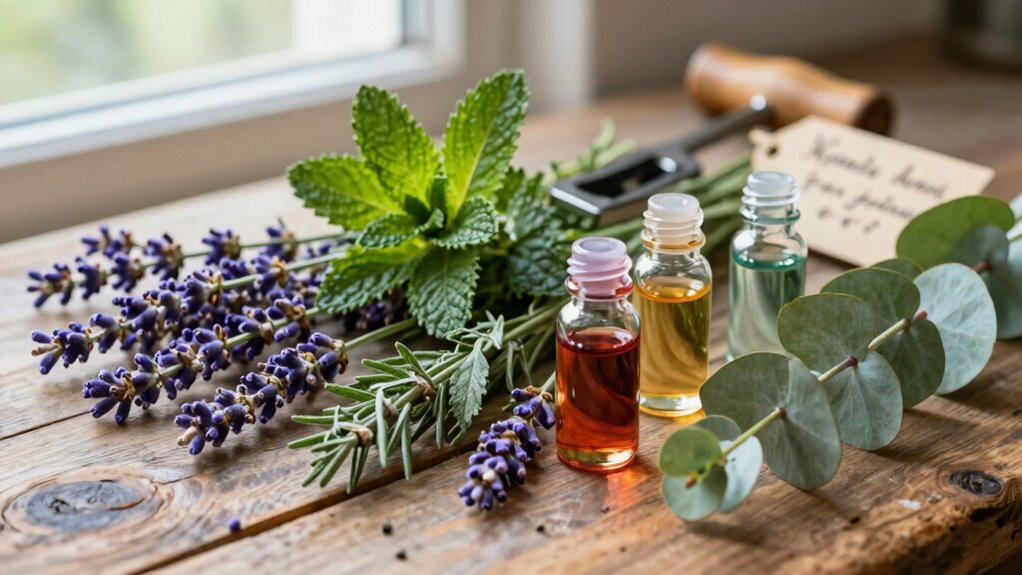
Understanding the origins of essential oils is crucial for guaranteeing their quality and purity. When you want to choose high-quality oils, you need to know where they come from and how they’re made. This begins with understanding the botanical sources—these are the plants, flowers, leaves, or other parts that give the oil. Different plants produce different oils, and their quality depends heavily on their growing conditions, harvesting time, and plant variety. For example, lavender from one region may differ in scent and potency from lavender grown elsewhere. Knowing the botanical source helps you identify authentic oils and avoid adulterated or synthetic products.
Next, you should pay attention to the extraction methods, which are the processes used to obtain the oil from the plant material. Common methods include steam distillation, cold-pressing, and solvent extraction. Steam distillation is widely used for aromatic plants like lavender, peppermint, and eucalyptus. It involves steaming the plant material to vaporize the oils, then condensing the vapor back into liquid. Cold-pressing is primarily used for citrus peels, where the oil is mechanically pressed out without heat, preserving its freshness. Solvent extraction, on the other hand, uses chemicals to extract oils from delicate flowers like jasmine or rose, but it might leave behind traces of solvent residues. Understanding these methods can help you determine the purity and intended use of the oil. For instance, oils extracted via cold-pressing tend to be more natural and retain more of the plant’s original properties. Additionally, extraction techniques can influence the scent profile and efficacy of the final product. Recognizing the plant part used can also give insights into the oil’s properties and potential benefits. Moreover, the processing standards adopted by producers can impact the overall quality and safety of the essential oil.
Furthermore, being aware of the origin country of the essential oil can provide clues about its quality and characteristics, as different regions have unique climates and soil conditions that affect the plant’s growth and oil composition. When choosing an essential oil, always look for transparency about its botanical sources and extraction methods. Reputable brands will tell you exactly which plant the oil is derived from and how it was extracted. This information isn’t just for curiosity; it guarantees you’re getting an authentic product and helps you select oils suitable for your needs, whether for aromatherapy, skincare, or other purposes. Be cautious of vague labels claiming “pure essential oil” without further details. Authenticity increases when the label includes botanical names, extraction details, and origin country. By understanding these fundamental aspects—botanical sources and extraction methods—you gain the knowledge needed to make informed choices and guarantee the quality and safety of your essential oils. A clear understanding of oil origins also helps you avoid adulterated products and select the best options for your specific uses.
essential oil botanical source labels
As an affiliate, we earn on qualifying purchases.
As an affiliate, we earn on qualifying purchases.
Frequently Asked Questions
Are All Essential Oils Ethically Sourced?
Not all essential oils are ethically sourced, but you can find many that are through sustainable harvesting and fair trade certification. When you choose oils with these labels, you’re supporting environmentally friendly practices and fair wages for farmers. Always research brands and look for transparency about their sourcing methods. By doing so, you guarantee your essential oils are ethically produced, helping protect ecosystems and communities involved in the process.
How Do Climate Changes Affect Oil Quality?
Climate impacts can subtly influence essential oil quality, making it more sensitive to shifts in environment. You’ll notice changes in aroma and potency when harvest timing is affected by unpredictable weather patterns. Warmer temperatures or irregular rainfall may lead to premature or delayed harvesting, which can alter oil composition. Staying aware of these factors helps you select oils that maintain their quality, even as climate impacts continue to shape the growing conditions.
Can Essential Oil Origins Indicate Purity?
Yes, essential oil origins can hint at purity, especially when you consider extraction methods and botanical authenticity. Pure oils typically come from specific regions known for growing particular plants, and their extraction processes—like steam distillation or cold pressing—affect quality. By knowing where an oil is sourced and how it’s extracted, you can better assess its purity without overcomplicating things. Always look for reputable sources that emphasize authentic botanicals and proper extraction.
What Labeling Terms Clarify Oil Origins?
Labeling terms like “single origin,” “region-specific,” or “wildcrafted” clarify oil origins. These terms reveal the harvest season and regional variations, helping you understand where the oil comes from. “Single origin” means the oil is from one region, while “region-specific” highlights a particular area. “Wildcrafted” indicates plants are harvested from their natural habitat, often during peak harvest season, ensuring authenticity and quality.
Do Indigenous Plants Produce Better Oils?
Indigenous plants often produce better oils because their plant biodiversity is naturally adapted to the local environment, resulting in richer, more authentic scents. When harvesting practices respect these native plants, it guarantees higher quality oils with potent therapeutic properties. You’ll notice that oils derived from indigenous plants tend to be more pure and effective, reflecting the deep connection between local flora and ideal oil production.
Conclusion
By understanding the origins of essential oils, you gain clarity, confidence, and connection. You see the journey from plant to bottle, the land, the climate, and the craftsmanship involved. You appreciate the authenticity, embrace the transparency, and trust the process. When you unravel these origins with simplicity, you enrich your experience, deepen your knowledge, and elevate your use. Essentially, understanding essential oil origins becomes not just informative, but truly transformative for your wellness journey.
Fall Picks
fall essentials
As an affiliate, we earn on qualifying purchases.