Aromatherapy and natural wellness bring together scent, atmosphere, and intentional daily habits. For some people, that means using a diffuser during an evening routine. For others, it means choosing gentler ways to freshen a room, exploring botanical oils for personal care, or creating a more inviting environment throughout the home.

Get oils, diffusers and self-care delivered free with Prime
- Fast, free delivery on millions of items
- Prime Video, Amazon Music and more included
- Member-only deals all year
The sheer number of oils, diffuser technologies, and fragrance products can make getting started confusing. Ultrasonic, nebulizing, waterless, portable, and whole-house systems each work differently. Essential oils also require thoughtful handling: natural does not automatically mean harmless, and a pleasant aroma is not a substitute for medical care.
This guide provides a practical orientation to the niche. Use it to understand the main product categories, identify the best approach for your space, and build safer habits before exploring the linked guides in greater depth.
What Aromatherapy Can—and Cannot—Do
Aromatherapy generally involves inhaling aromatic plant extracts or applying appropriately diluted preparations to the skin. At home, essential oils are most often dispersed with a diffuser or incorporated into personal-care routines. People commonly use scent to shape the mood of a room, mark transitions in their day, or make familiar spaces feel more comfortable.
Expectations matter. Aromatherapy may complement relaxation rituals and other wellness habits, but it should not be presented as a cure for illness. A scent that one person associates with calm may feel unpleasant or overwhelming to another. Personal preference, ventilation, concentration, exposure time, and individual sensitivity all affect the experience.
Think of fragrance as one element of the environment rather than a treatment. Sleep schedules, movement, nutrition, fresh air, hydration, and professional healthcare remain distinct parts of well-being. If symptoms are persistent, severe, or unusual, seek qualified medical advice instead of relying on essential oils.
ultrasonic essential oil diffuser
As an affiliate, we earn on qualifying purchases.
As an affiliate, we earn on qualifying purchases.
Understanding Essential Oils
Essential oils are highly concentrated aromatic substances obtained from plant material. They are not the same as whole herbs, floral waters, or ordinary cooking oils. Their concentration explains both their appeal and the need for caution: a small quantity can produce a noticeable aroma, while excessive or inappropriate use can cause irritation or other unwanted reactions.
Purity, labeling, and storage
Useful labels identify the plant rather than relying only on a broad fragrance name. Depending on the product, details may include the botanical name, plant part, extraction method, origin, and lot information. Marketing words such as “therapeutic” should not replace clear ingredient disclosure.
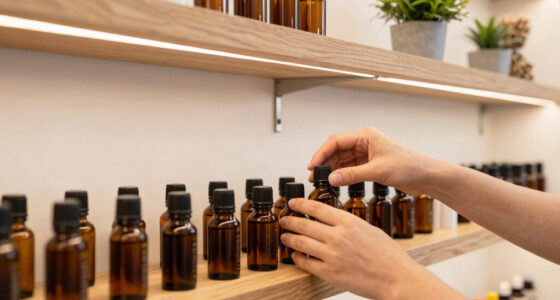
Store oils tightly closed, away from heat and direct sunlight, and beyond the reach of children and pets. Oxidation and poor storage can alter an oil over time. Follow the manufacturer’s storage guidance and pay attention to changes in smell, appearance, or consistency.
Essential oils versus fragrance oils
Essential oils come from botanical materials, while fragrance oils may contain synthetic aromatic ingredients, natural aromatic compounds, or a blend. Neither category is automatically suitable for every person or device. Check both the ingredient information and the diffuser manufacturer’s instructions rather than assuming that any scented liquid can be used interchangeably.
Choose a Diffuser for the Space and Routine
The most useful diffuser is not necessarily the largest or most decorative model. It is the one that fits the room, your preferred maintenance level, and the way you actually plan to use scent.
Ultrasonic diffusers
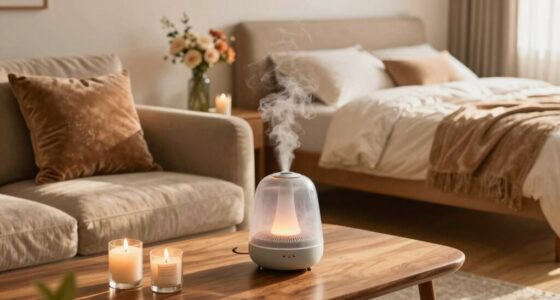
Ultrasonic models combine water with a small amount of essential oil and use vibration to release a fine mist. They are common in bedrooms, home offices, and living areas. Their reservoirs require regular emptying and cleaning, especially when oils are changed frequently. Standing water should not be left indefinitely, and the device should be cleaned according to its instructions.
Waterless and nebulizing options
Waterless devices disperse fragrance without a water reservoir. They can appeal to people who want less refilling or who prefer a compact setup, although designs and operating methods vary. Because some systems release concentrated aroma, placement and output control deserve particular attention. The guide to waterless aromatherapy diffusers explores options for readers interested in this low-water-maintenance category.
Whole-house scent systems
A larger or open-plan property presents different challenges from a single room. Whole-house systems are intended to distribute fragrance across broader areas, sometimes through HVAC-related setups and sometimes with high-capacity standalone equipment. Before considering one, evaluate coverage, intensity controls, compatibility, maintenance, household sensitivities, and the ability to stop or isolate scent when needed. Start with the comparison of whole-house diffuser systems to understand the category.
Design-led diffusers
A diffuser that remains on display becomes part of the room. Materials, proportions, lighting, cord placement, and noise can be nearly as important as fragrance output. Readers balancing appearance with function can browse the guide to luxury diffusers for home décor. A premium-looking device still needs practical controls and manageable cleaning; aesthetics should complement usability rather than obscure it.
Match Fragrance to the Size of the Room
Room size affects how quickly aroma accumulates and how easily it dissipates. A device suited to a spacious living room may overwhelm a bathroom, entryway, closet, or compact office. In a small space, modest output and short sessions often provide more control than continuous fragrance.
Start below the maximum setting, observe how the room feels after several minutes, and increase only if needed. Keep airflow in mind: an open window, extractor fan, or nearby doorway can change scent distribution. Avoid positioning a diffuser where mist repeatedly lands on electronics, walls, polished furniture, or delicate fabrics.
A diffuser is not the only choice for tight quarters. Passive fragrance products and conventional air fresheners may be more convenient in certain locations, but ingredients and intensity still matter. The roundup of air fresheners for small spaces offers a focused starting point for these areas.
Build a Safer Essential-Oil Routine
Safe use begins with restraint. More oil does not necessarily create a better atmosphere, and continuous exposure is not always desirable. Product directions vary, so treat the label and device manual as primary instructions.
- Use only oils or fragrance products that the device manufacturer permits.
- Begin with a low amount and a short diffusion period.
- Ventilate the room and stop if anyone experiences discomfort.
- Keep bottles and operating devices away from children and pets.
- Do not ingest essential oils unless specifically directed by an appropriately qualified healthcare professional.
- Avoid putting undiluted oils on the skin unless reliable instructions explicitly establish that use as appropriate.
- Wash your hands after handling concentrated oils and avoid contact with the eyes and mucous membranes.
- Clean the diffuser regularly to prevent residue buildup and scent carryover.
Pregnancy, asthma, allergies, epilepsy, medication use, and other health circumstances can change what is appropriate. Babies, older adults, and animals may also respond differently from healthy adults. Cats, dogs, birds, and other pets should not be treated as interchangeable; species-specific sensitivity matters. Consult a clinician, veterinarian, or other suitably qualified professional when uncertainty involves health.
For a more detailed checklist, review these tips for using essential oils safely before establishing a regular routine.
Freshening the Home Without Masking Problems
Fragrance can make a space feel welcoming, but it should not conceal a moisture problem, spoiled food, smoke residue, poor drainage, dirty textiles, or another source of persistent odor. Identify and address the cause first. Cleaning, ventilation, humidity control, and proper waste storage often do more for air quality than adding scent.
Once the underlying space is clean, choose fragrance according to the room’s purpose and the people using it. A noticeable entrance scent might feel inviting, while a workspace may benefit from something subtler. Bedrooms generally call for particular restraint because exposure can continue for many hours.
Shoppers who prefer familiar ready-to-use formats can explore the guide to best-selling air fresheners on Amazon. Popularity, however, does not guarantee that a fragrance will suit every household. Ingredients, format, placement, and sensitivity remain more important than sales rank alone.
Fragrance, Allergies, and Sensitivities
A “natural” label does not mean a product is non-irritating or allergen-free. Essential oils and conventional fragrance products can both be unsuitable for sensitive individuals. Reactions may involve the skin, eyes, nose, airways, or headaches, and they can occur even when other household members enjoy the scent.
If someone has known allergies, asthma, migraines, or fragrance sensitivity, involve that person in the decision rather than introducing a strong new product without warning. Favor controllable formats, clear labeling, and good ventilation. Test cautiously in a limited setting, and discontinue use if symptoms appear. Unscented products may be the most comfortable solution in shared spaces.
The overview of air fresheners for allergies and sensitivities can help narrow the field, but no roundup can predict an individual reaction. Personal medical guidance and ingredient-specific caution should take priority.
Botanical Oils in Skincare
Aromatherapy and skincare overlap, but a product used on the body requires a different decision process from one used in a diffuser. Essential oils are concentrated aromatic extracts; carrier oils are lipid-based products used for moisturizing or dilution. Rose essential oil, rose absolute, rose-infused oil, and rosehip seed oil are distinct materials despite their related names.
Read the complete ingredient list and intended-use directions. Perform a cautious patch test when appropriate, avoid compromised skin, and stop using a product if irritation develops. Facial skin can be especially reactive, and “organic” does not eliminate the possibility of sensitivity.
Readers interested in rose-based products can use the guide to organic rose oils for skincare as an introduction, while checking each formulation for its actual composition and intended application.
Create a Simple Natural-Wellness Practice
A sustainable routine does not require a large oil collection or constant fragrance. Begin with one purpose, one space, and one product. You might use a gently scented room during a brief evening wind-down, keep a portable diffuser for occasional focused sessions, or select a passive freshener for a compact entryway.
Keep notes on the oil, amount, device setting, session length, ventilation, and how household members responded. This turns vague preferences into useful information. It also helps prevent accidental overuse and makes it easier to identify a product that causes discomfort.
Periodically reassess the routine. Clean the equipment, inspect stored oils, and consider whether fragrance is enhancing the space or merely becoming background exposure. Scent-free days can help preserve appreciation and accommodate sensitive visitors.
Your Next Step
Choose the path that matches your immediate need. For broad coverage, investigate whole-house systems. For convenient operation, compare waterless models. If appearance matters, explore design-led diffusers. Small rooms and sensitivity concerns call for more targeted product selection, while topical botanical products require skincare-specific precautions.
The common thread is thoughtful use: understand the product, follow its directions, start conservatively, and respect individual responses. With those habits in place, aromatherapy can become a measured and enjoyable part of a wider natural-wellness routine—one built around comfort, informed choices, and a genuinely healthy home environment.
Halloween Picks
halloween
As an affiliate, we earn on qualifying purchases.