
TL;DR

Get oils, diffusers and self-care delivered free with Prime
- Fast, free delivery on millions of items
- Prime Video, Amazon Music and more included
- Member-only deals all year
Ultrasonic essential oil diffusers create a cool mist by vibrating water with a piezoelectric plate. They are quiet, energy-efficient, and versatile but require proper cleaning and safety precautions. Choosing the right model depends on room size, features, and safety considerations.
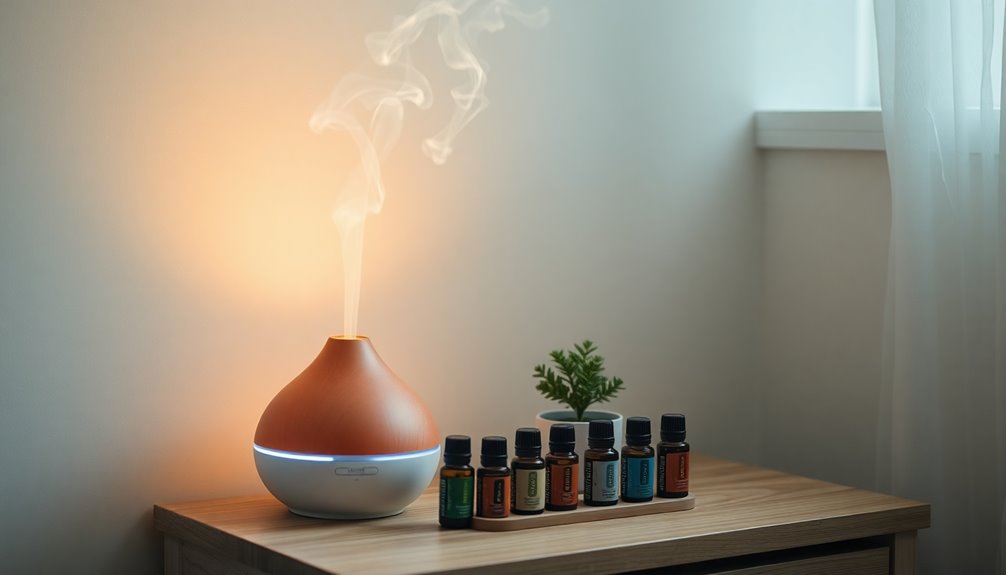
Imagine filling your space with a gentle, fragrant mist that feels cool and fresh—no flames, no heat, just quiet, calming vapor. That’s the magic of ultrasonic essential oil diffusers. They’ve become a staple for wellness enthusiasts, blending tech with aromatherapy in a sleek, whisper-quiet device.
In this guide, you’ll learn how ultrasonic diffusers work, what benefits they offer—and, just as importantly, how to use them safely. Whether you’re a seasoned diffuser user or just curious about adding one to your home, understanding the ins and outs will help you get the most from your experience.
Choose a diffuser size based on your room size and desired runtime, with larger reservoirs suited for bigger spaces.
Regular cleaning with vinegar or alcohol prevents residue buildup and maintains mist quality.
Safety comes first—start with small oil amounts, ventilate, and avoid diffusing near pets or children.
Smart features like app control and timers add convenience but verify safety and reliability before buying.
Ultrasonic diffusers preserve essential oils’ natural scent better than heat or evaporative models, but they aren’t air purifiers.
How Ultrasonic Diffusers Turn Water and Oil into Mist (And Why It Matters)
Ultrasonic diffusers work by using a tiny, rapidly vibrating piezoelectric plate to create ultrasonic waves. These waves shake the water and essential oil mixture, producing a fine, cool mist that disperses into the air. Unlike heat-based diffusers, they don’t burn or heat the oil, preserving its natural properties.
Think of it like a tiny drum vibrating so fast that it creates a gentle, invisible ripple in the water. That ripple turns into a mist that carries the aroma, filling your space with a soothing scent. This method is gentle, energy-efficient, and keeps the integrity of the oil intact.
Understanding this process is crucial because it highlights why ultrasonic diffusers are preferred for delicate essential oils. Heating can alter or degrade the scent, diminish therapeutic properties, or produce harmful compounds, so the ultrasonic method ensures you receive the full benefits and natural aroma of your oils. Moreover, since no heat is involved, the risk of accidental burns or fire hazards is minimized, making ultrasonic diffusers a safer choice for homes and offices.
Products Worth Considering

LEVOIT Vital 200S-P Smart Air Purifier for Large Rooms

Withings Body Scan Smart Scale with Segmental Body Composition and ECG, Black

Theragun Mini 3rd Generation Massage Gun – Travel Essential (Black)
As an affiliate, we earn on qualifying purchases.
Picking the Perfect Diffuser for Your Space: Size, Power, and Features
Choosing the right ultrasonic diffuser isn’t just about style; it’s about understanding how capacity and features impact your experience and their suitability for your environment. Smaller models with 100-150 ml reservoirs are ideal for bedrooms or small offices because they can run for about 4-6 hours, which aligns with typical relaxation or sleep times. Larger units, with 300 ml or more, are better suited for bigger spaces or longer use, such as open living areas or during social gatherings, since they can operate for 8-12 hours or more, especially in intermittent modes.
This choice affects not just convenience but also effectiveness. A small diffuser in a large room might not disperse enough scent, reducing its calming or energizing effects. Conversely, a large diffuser in a small space could produce overwhelming aroma or run unnecessarily long, wasting oils and electricity. By matching reservoir size with room size and your usage patterns, you optimize both scent diffusion and resource consumption.
Features like adjustable mist flow help control scent strength, while timers and LED lighting add customization and convenience. For instance, a diffuser with a timer allows you to set it to turn off after a certain period, preventing overuse and conserving oils. Bright or color-changing lights can enhance the ambiance, but they also influence your environment’s mood and aesthetic. Selecting a diffuser with the right combination of these features ensures it fits seamlessly into your routine and space, maximizing benefits while minimizing waste and inconvenience.
The Real Benefits of Ultrasonic Diffusers—and What They Can’t Do
Many people love ultrasonic diffusers for the gentle, pleasant aroma they provide. The rich, fresh scent can instantly lift your mood or help you relax after a long day. Some find that certain oils, like lavender or chamomile, support a calming bedtime routine. These benefits are largely subjective but can significantly enhance your environment and emotional well-being by creating a sense of calm or freshness.
However, it’s essential to recognize the limitations and implications of relying solely on diffusers for health or air quality improvements. These devices primarily disperse scent and humidity, but they do not purify or disinfect the air. For example, diffusing citrus oils might energize your morning or mask odors, but they won’t eliminate airborne bacteria, viruses, or allergens. This means that while diffusers can contribute to a relaxing atmosphere, they shouldn’t replace proper cleaning, ventilation, or medical treatments when needed.
Understanding these boundaries helps you set realistic expectations. Diffusers are tools for ambiance and mild therapeutic support, not medical devices or air purifiers. Misunderstanding their capabilities might lead to neglecting other essential health practices, such as regular cleaning or using air filtration systems in environments with known pollutants or allergies.
Safety First: How to Use Ultrasonic Diffusers Without Risks
Safety is critical when diffusing essential oils because these concentrated substances can pose health risks if misused. Overuse or improper handling can lead to skin irritation, respiratory issues, or allergic reactions. Therefore, always follow the manufacturer’s instructions regarding the number of drops and diffusion duration. Using too much oil or diffusing continuously for extended periods can cause overexposure, which might lead to headaches or nausea in sensitive individuals.
Proper ventilation is key—diffusing in a well-ventilated room prevents scent buildup and reduces the risk of irritation. When introducing a new oil, start with a small amount and observe any reactions. If anyone experiences coughing, headache, or irritation, turn off the diffuser immediately and ventilate the space.
People with respiratory issues, allergies, or sensitivities should be especially cautious, as some oils can aggravate existing conditions. Keep diffusers away from children and pets, as some oils like eucalyptus or tea tree are toxic if ingested or cause adverse reactions. For example, placing a diffuser near a pet’s sleeping area might result in discomfort or health issues, so positioning it in common areas and out of reach is recommended.
Always avoid adding undiluted oils directly into the water or applying oils directly to the skin without proper dilution and guidance. Regular cleaning of the diffuser prevents mold and bacterial growth, which could otherwise be dispersed into the air, negating safety benefits. Proper use and maintenance are essential to ensure your diffuser remains a safe, beneficial addition to your environment.
Cleaning and Maintaining Your Diffuser for Longevity and Performance
Keeping your ultrasonic diffuser clean isn’t just about hygiene—it’s about preserving mist output, preventing mold, and maintaining the integrity of the scent. A dirty or neglected diffuser can develop mineral buildup, harbor bacteria, or produce funky odors, all of which compromise performance and safety. Regular cleaning ensures your diffuser continues to operate efficiently and delivers a pure, pleasant aroma every time.
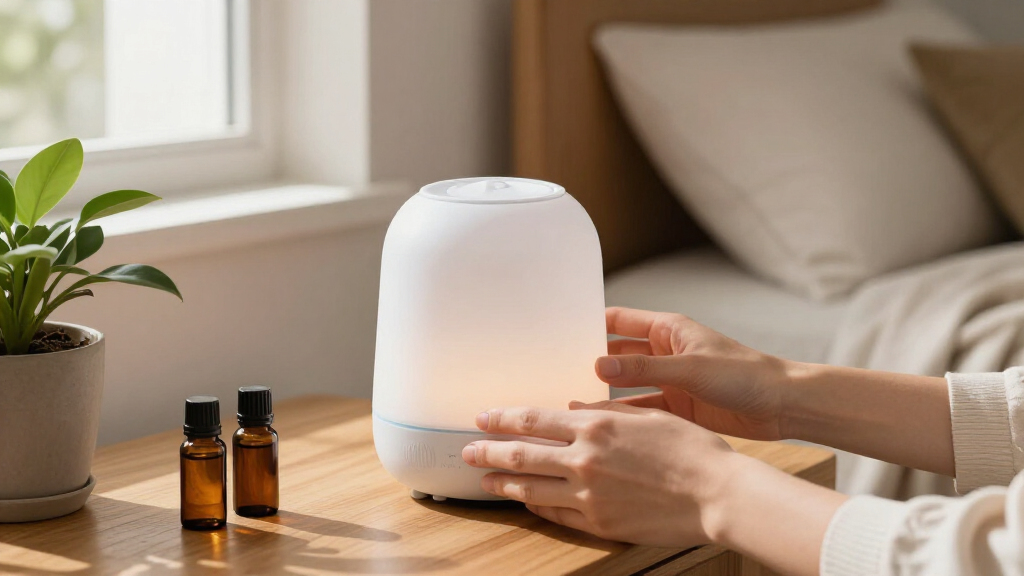
After each use, unplug the device, empty any remaining water, and wipe the reservoir with a soft, damp cloth. For deeper cleaning, once a week, add a few drops of vinegar to the water reservoir, run the diffuser for 2 minutes, then rinse thoroughly. This process dissolves mineral deposits and disinfects the unit without harsh chemicals. Avoid abrasive scrubbing or harsh cleaners, as they can damage the ultrasonic plate or other delicate parts.
Pay special attention to the ultrasonic plate, as mineral buildup can diminish mist production. Gently clean it with a soft brush or cloth if you notice reduced mist output. Regular maintenance not only extends the lifespan of your diffuser but also ensures it disperses pure, clean mist, preventing unpleasant odors or potential health issues caused by mold or bacteria.
For example, consistent cleaning has been shown to restore mist volume and scent clarity, especially in areas with hard water. Incorporating a routine cleaning schedule helps keep your diffuser performing optimally and prolongs its useful life.
Latest Trends: What’s New in Ultrasonic Diffuser Tech?
The diffuser market is evolving rapidly, driven by consumer demand for smarter, more sustainable, and more aesthetically pleasing devices. Today’s models boast features like app control, voice activation, and scheduled operation, making diffusing more convenient and integrated into daily routines. Some are even rechargeable and cordless, enhancing portability for travel or outdoor use.
Design trends are shifting towards eco-friendly materials such as ceramic, glass, or sustainably sourced wood, moving away from plastic. Larger reservoirs and longer runtimes reduce the need for frequent refills, while more precise mist controls allow for tailored scent diffusion, enhancing user experience and energy efficiency. These innovations reflect a focus on both functionality and environmental responsibility.
Transparency is also gaining importance—companies are more open about ingredient sourcing, safety standards, and manufacturing processes. Newer models incorporate waterless nebulizers and scent cartridges, which deliver stronger, more focused aromas without using water, appealing to those seeking more potent or targeted scent dispersal. These advancements make diffusing more customizable and aligned with modern lifestyles, offering greater control over ambiance and scent strength.
Ultrasonic Diffusers vs. Other Aroma Dispersion Methods
Ultrasonic diffusers stand out for their quiet operation and ability to preserve oil integrity. But how do they compare with other types? Here’s a quick look:
| Type | How it Works | Pros | Cons |
|---|---|---|---|
| Ultrasonic | Vibrates water with piezoelectric plate, disperses as mist | Quiet, preserves oil scent, adjustable mist | Needs water, regular cleaning |
| Nebulizing | Atomizes undiluted oil directly into air | Strong, pure scent | Uses more oil, can be overpowering, noisy |
| Evaporative | Fan blows air over oil pad or wick | Simple, portable | Uneven scent spread, less control |
| Heat-based | Warms oil to encourage evaporation | Inexpensive, easy to use | Altered aroma, limited coverage |
Choosing the right method depends on your priorities—whether it’s a subtle aroma, strong scent, or ease of use. For a quiet, safe, and scent-preserving experience, ultrasonic diffusers are hard to beat because they balance effectiveness with safety, making them suitable for most environments and preferences.
Your Most Common Questions About Ultrasonic Diffusers — Answered
How many drops of essential oil should I use? Usually 3-5 drops per 100 ml of water is enough. Start small, especially in small rooms or if sensitive to scents. Using too much can lead to overpowering aromas and potential irritation, while too little might not produce a noticeable scent. Finding the right balance depends on your preference and room size, but understanding this helps prevent waste and discomfort.
How long can I run a diffuser safely? About 15-30 minutes is often enough to enjoy the benefits without overexposing yourself or others. Many diffusers have timers or auto-shutoff features which help regulate use, but continuous operation beyond recommended durations can lead to scent fatigue or irritation. Always follow manufacturer guidelines to ensure safe and effective use.
Can I use it as a humidifier? While ultrasonic diffusers do add some moisture, they are not designed to significantly humidify a room. They produce a fine mist that can slightly increase humidity, but for proper humidification, a dedicated humidifier is more effective and capable of handling larger volumes of water. Relying on a diffuser for humidity may lead to over-saturation or mold if used excessively.
Is it safe to leave on overnight? Only if your diffuser has an automatic shutoff feature and is placed on a stable, safe surface away from children and pets. Short diffusions before sleep are generally safe, but continuous overnight use without safeguards can pose risks such as overexposure to oils or accidental spills. Always prioritize safety and follow guidelines for extended use.
Can I add other fragrances or oils? Only if the manufacturer explicitly states compatibility. Using non-recommended substances like thick carrier oils or alcohol-based perfumes can damage the diffuser or cause clogging, and may produce unwanted chemical reactions or health hazards. Stick to compatible, high-quality essential oils for optimal safety and performance.
Conclusion
Ultrasonic essential oil diffusers offer a quiet, safe way to enjoy your favorite scents without heat or flames. By understanding how they work and practicing proper maintenance and safety, you can create a calming atmosphere that’s both beautiful and trouble-free.
Think of your diffuser as a gentle, invisible companion—filling your space with soothing aroma, one cool mist at a time. Keep it clean, use oils wisely, and let your environment breathe a little easier.