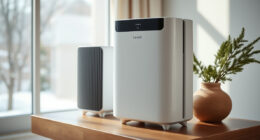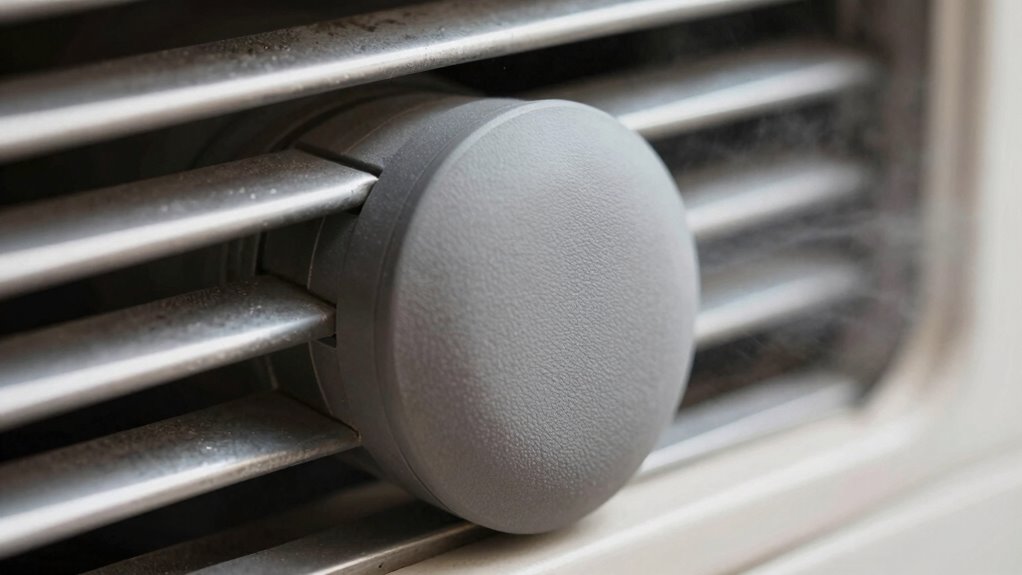

If your diffuser is placed too close to a vent, you’ll notice uneven scent distribution and weak aroma zones, with some areas smelling stronger than others. You might also see the scent fade quickly or only linger in certain parts of the room. Obstructions and drafts from the vent disrupt airflow, impacting diffuser performance. To improve scent spread, keep your diffuser a few feet away from vents and check its placement regularly—you’ll find helpful tips ahead.

Get oils, diffusers and self-care delivered free with Prime
- Fast, free delivery on millions of items
- Prime Video, Amazon Music and more included
- Member-only deals all year
Key Takeaways
- The diffuser’s scent is uneven or patchy, indicating airflow disruption from proximity to the vent.
- Scent fades quickly or only lingers in specific areas near the vent, showing poor dispersion.
- The diffuser is positioned directly in line with or very close to a vent, blocking proper airflow.
- You notice temperature fluctuations or drafts affecting the diffuser’s performance.
- The scent strength varies significantly depending on the diffuser’s proximity to the vent.

If your diffuser is placed too close to a vent, you might notice uneven airflow or inconsistent scent distribution. This happens because the vent disrupts the diffuser’s ability to disperse essential oils evenly throughout the room. When airflow is obstructed by the vent, the scent doesn’t spread as intended, leading to weak or patchy aroma zones. You may also observe that some areas of the room smell stronger than others, which indicates the diffuser isn’t functioning at its best. To fix this, you need to make sure that your diffuser isn’t directly in line with or too near a vent, allowing proper circulation and scent diffusion. Additionally, the environmental placement** of your diffuser plays a crucial role in achieving optimal scent dispersion and avoiding airflow issues. Another sign that your diffuser is too close to a vent involves temperature imbalance. Vents often blow either hot or cold air, which can interfere with the diffuser’s operation. Essential oils tend to evaporate more quickly when exposed to high temperatures, causing the scent to fade faster or become inconsistent. Conversely, cold drafts might cause the oils to settle or not disperse properly, resulting in a weak scent or uneven distribution. If you notice that the aroma seems to fade quickly or only lingers in certain parts of the room, it’s a good indicator that the diffuser’s placement is affecting the temperature balance. Moving the diffuser away from the vent helps maintain a more stable temperature environment, making sure the oils evaporate at a steady rate and the scent disperses uniformly. Proper air circulation is essential for the diffuser to operate efficiently and achieve a balanced aroma. Placement is vital in avoiding these issues. Position your diffuser in a spot where airflow isn’t directly blocked by a vent or any other obstructions. Ideally, keep it a few feet away from air vents, windows, or drafts that can cause temperature fluctuations. This way, you allow the diffuser to operate as intended—creating a balanced, consistent aroma throughout the space. Regularly check the diffuser’s placement, especially when you notice changes in scent strength or uneven scent zones, as these signs often point to airflow obstruction or temperature imbalance caused by proximity to a vent. Proper placement also helps prevent temperature fluctuations**, which can adversely affect the scent’s longevity and diffusion quality. Ensuring good airflow around your diffuser maximizes its effectiveness and helps maintain a steady, pleasant aroma. By paying attention to these details, you’ll make sure your diffuser performs efficiently, filling the room with a pleasant, steady aroma without **interference**.
essential oil diffuser for optimal scent dispersion
As an affiliate, we earn on qualifying purchases.
As an affiliate, we earn on qualifying purchases.
Frequently Asked Questions
Can Diffuser Placement Affect Indoor Air Quality?
Yes, diffuser placement can affect indoor air quality. If you place a diffuser too close to a vent, it may cause airflow disruption, reducing the effectiveness of air circulation. Additionally, diffuser obstructions can block proper airflow, leading to uneven temperature distribution and poor air quality. Make sure your diffuser is positioned properly, away from vents and obstructions, to promote ideal airflow and maintain a healthier indoor environment.
What Are Signs of Uneven Cooling or Heating?
You’ll notice uneven cooling or heating when airflow disturbances cause temperature inconsistencies across rooms or within a space. Feel for drafts or hot and cold spots, and observe if certain areas are consistently uncomfortable. These signs indicate that your diffuser might be too close to a vent, disrupting proper airflow. Adjusting diffuser placement can help balance airflow, reduce temperature inconsistencies, and improve overall comfort in your space.
How Does Proximity Impact Energy Efficiency?
When a diffuser sits too close to a vent, it’s like trying to whisper in a thunderstorm—inefficient and loud. This proximity hampers ventilation optimization by causing uneven airflow, making your system work harder. It can also create noise issues, affecting acoustic considerations. Keep a thoughtful distance to guarantee even cooling or heating, reduce energy waste, and maintain a quiet, comfortable environment, allowing your HVAC system to perform at its best.
Are There Health Risks From Improper Diffuser Placement?
Yes, improper diffuser placement can pose health risks. If placed too close to a vent, it may cause airflow disruption, leading to uneven temperature distribution and poor air quality. This stagnant air can promote mold growth, which can trigger allergies or respiratory issues. To avoid these risks, make certain your diffuser is correctly positioned away from vents, allowing proper airflow and reducing the chance of mold development and health problems.
How Often Should I Check Diffuser and Vent Positions?
You should check your diffuser and vent positions at least once every season. Notably, according to experts, improper placement can reduce efficiency by up to 30%. Regular inspections help prevent vent obstruction and address aesthetic considerations, ensuring proper airflow and a comfortable environment. By staying proactive, you avoid uneven heating or cooling and maintain a visually appealing space, saving you money and hassle in the long run.
Conclusion
In the end, keeping your diffuser at a proper distance from vents is like finding the right balance in a classic game of chess—it guarantees everything works harmoniously. If the scent seems uneven or the airflow feels disrupted, you’ve probably got a wrong move on your hands. Remember, even in this modern age, a little old-school intuition goes a long way. So, don’t be a knucklehead—adjust your diffuser and enjoy the fresh, even aroma you deserve.
Fall Picks
fall essentials
As an affiliate, we earn on qualifying purchases.