
Herbal scents feel cleaner than sweet ones because they evoke the freshness of nature and outdoor spaces, creating an authentic and straightforward aroma. They remind you of traditional wellness practices and rituals that focus on purity and health, reinforcing their connection to cleanliness and simplicity. You sense honesty and naturalness in herbal fragrances, which boost feelings of freshness and clarity. If you’re curious about how these perceptions are rooted in culture and tradition, there’s more to discover.
Key Takeaways
- Herbal scents evoke natural outdoor environments, enhancing perceptions of freshness and cleanliness.
- Their association with traditional cleansing rituals and wellness practices reinforces their feeling of purity.
- Herbal aromas are perceived as more genuine, simple, and closer to nature than sweet fragrances.
- The crisp, green scents boost alertness and mental clarity, contributing to a sense of cleanliness.
- Cultural and historical use of herbs in purification emphasizes their authenticity and connection to health.
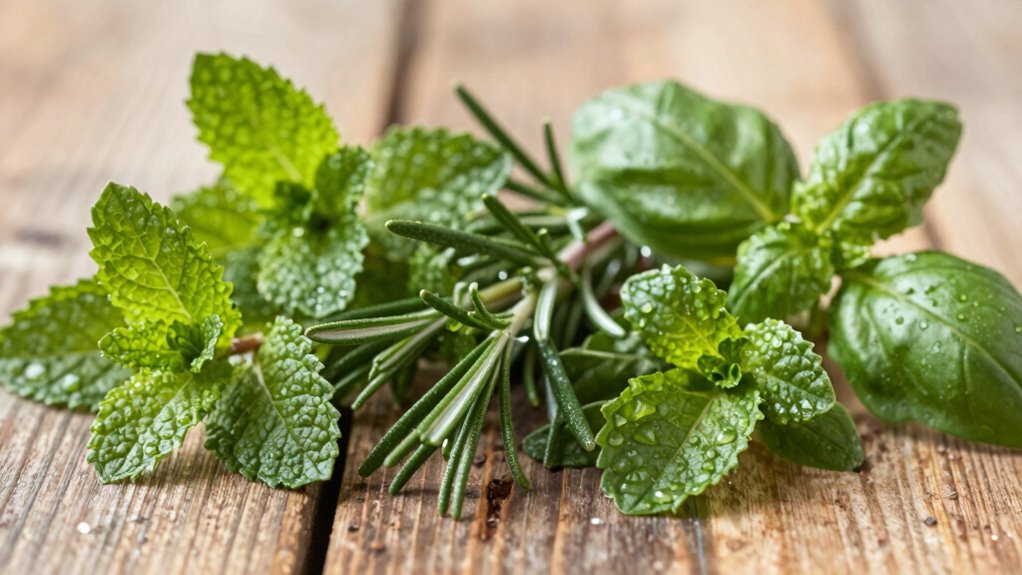
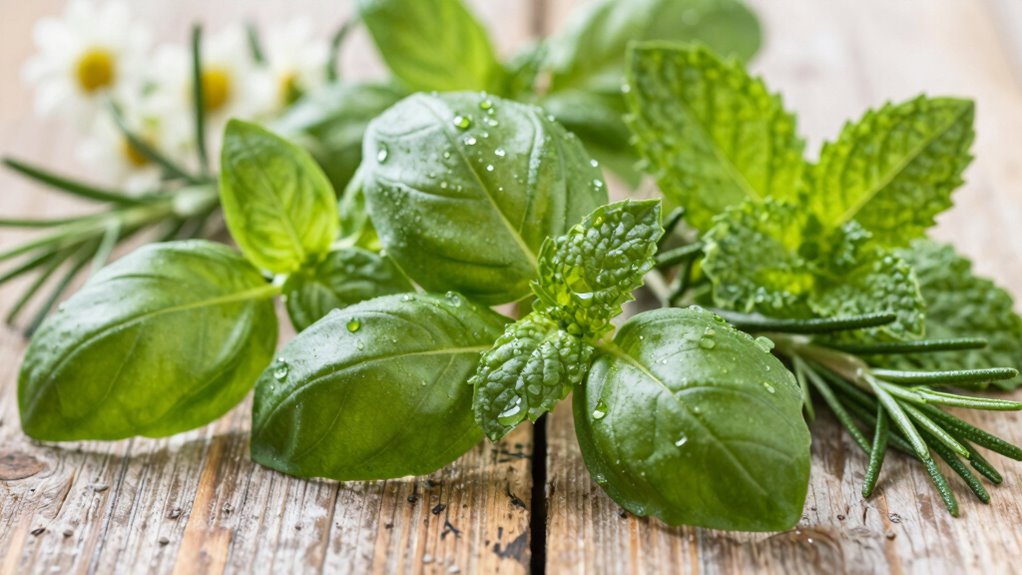
Herbal scents often feel fresher and more invigorating than sweet fragrances because they evoke the natural cleanliness of outdoors. When you breathe in the crisp, green aromas of herbs like mint, rosemary, or basil, it’s easy to feel a sense of freshness that seems to clear your mind and energize your body. This feeling isn’t just about scent; it’s rooted in the aromatherapy benefits that these fragrances offer. Many herbs contain compounds that can help reduce stress, boost alertness, and promote a sense of well-being. For example, peppermint’s sharp aroma can awaken your senses, while lavender’s calming scent can ease tension. These effects make herbal scents especially appealing when you want to feel revitalized or grounded. Additionally, the perception of herbal scents as natural cleanliness often ties back to their association with outdoor environments and traditional wellness practices. The use of herbs in various rituals reinforces their link to health and purity, making their scents seem even more genuine. Cultural associations also play a significant role in how you perceive herbal scents as cleaner or more natural. In many traditions around the world, herbs are linked to health, purity, and healing. Ancient cultures used herbs not only in cooking but also in rituals and medicinal practices, reinforcing their connection to wellness and cleanliness. Think of how sage is burned in cleansing ceremonies or how herbal infusions are used in traditional medicine—these practices embed herbs into a cultural consciousness of purity and renewal. Such associations make herbal scents seem more authentic and closer to nature, enhancing their perception as cleaner than sweet fragrances, which can sometimes be perceived as artificial or overly indulgent. This connection between herbs and cultural rituals helps deepen the perception of herbal scents as genuine and trustworthy. You might notice that herbal scents often carry a sense of simplicity and honesty. Unlike sweet fragrances, which can sometimes feel heavy or overly processed, herbal aromas tend to be light and straightforward. This simplicity aligns with a natural aesthetic that many people find reassuring. When you choose herbal scents, you’re tapping into a cultural narrative that values authenticity, health, and a connection to the outdoors. This cultural backdrop makes herbal scents feel less like a luxury and more like a natural necessity—something that restores balance and purity to your environment. The perception of herbal scents as natural and authentic is reinforced by this cultural and historical context, making them a popular choice for those seeking a genuine connection to nature. In the end, it’s not just about how the scents smell but what they represent. The aromatherapy benefits they provide and the cultural associations tied to herbs reinforce the idea that herbal scents are inherently cleaner. They remind you of nature’s simplicity and vitality, making them a preferred choice when you seek freshness and clarity. Whether you’re diffusing essential oils or choosing a herbal-scented product, these aromas offer a direct link to the natural world—an experience that feels genuine, uplifting, and undeniably pure.
As an affiliate, we earn on qualifying purchases.
Frequently Asked Questions
Do Herbal Scents Last Longer Than Sweet Scents?
Herbal scents generally last longer than sweet scents because of their herbal scent longevity and intensity. You’ll notice that herbal fragrances tend to have a more persistent, revitalizing quality, making them stay on your skin or in your space longer. Sweet scents often fade faster due to their lighter, more volatile compounds. So, if you want a fragrance that endures, herbal scents are a smarter choice for their superior longevity and consistent herbal scent intensity.
Are Herbal Scents More Suitable for Sensitive Skin?
Think of herbal scents as a gentle breeze through a garden—calm and natural. They’re generally more suitable for sensitive skin because herbal scent variations tend to be milder and less likely to provoke sensitive skin reactions. You’ll find they don’t contain harsh chemicals often found in sweet fragrances. So, if you have sensitive skin, herbal scents offer a safer, more soothing option, helping you enjoy a fresh, natural aroma without irritation.
Can Herbal Scents Help Improve Mental Clarity?
Herbal scents can boost your mental clarity by enhancing mental focus and reducing stress. When you inhale calming herbs like lavender or peppermint, you often feel more alert and centered. These scents stimulate your brain, clearing mental fog and promoting relaxation. Incorporating herbal aromas into your daily routine can help you stay focused longer and manage stress better, making them a natural way to support mental well-being.
Which Herbs Are Most Commonly Used in Clean-Smelling Products?
You’ll notice that lavender, eucalyptus,, and mint are most commonly used in clean-smelling products. These herbs are popular because of their fresh, crisp aromas that evoke cleanliness. You can create appealing scents through herb combinations and fragrance layering, blending herbal notes for a balanced, invigorating effect. This approach not only enhances the scent’s freshness but also guarantees a natural, soothing experience that feels effortlessly clean and revitalizing.
Do Herbal Scents Have Antimicrobial Properties?
Herbal scents do have antimicrobial properties, making them effective in cleaning and disinfecting. Their antimicrobial effectiveness comes from natural compounds that inhibit bacteria and fungi growth. You’ll notice herbal scent benefits in products like tea tree, eucalyptus, and peppermint, which actively fight germs while providing a crisp, clean aroma. Using herbal-based cleaners can boost your cleaning routine, offering a natural, chemical-free way to maintain hygiene and enjoy a revitalizing scent.
Conclusion
So, next time you pick a herbal scent, trust that it’s often perceived as cleaner because it evokes freshness and natural purity. While some may prefer sweet fragrances for their warmth, herbal notes tend to signal cleanliness and simplicity. The theory checks out—our brain associates herbal aromas with freshness, making them feel more hygienic. Embrace the herbal scents that naturally lift your mood and give you that crisp, clean feeling you crave.