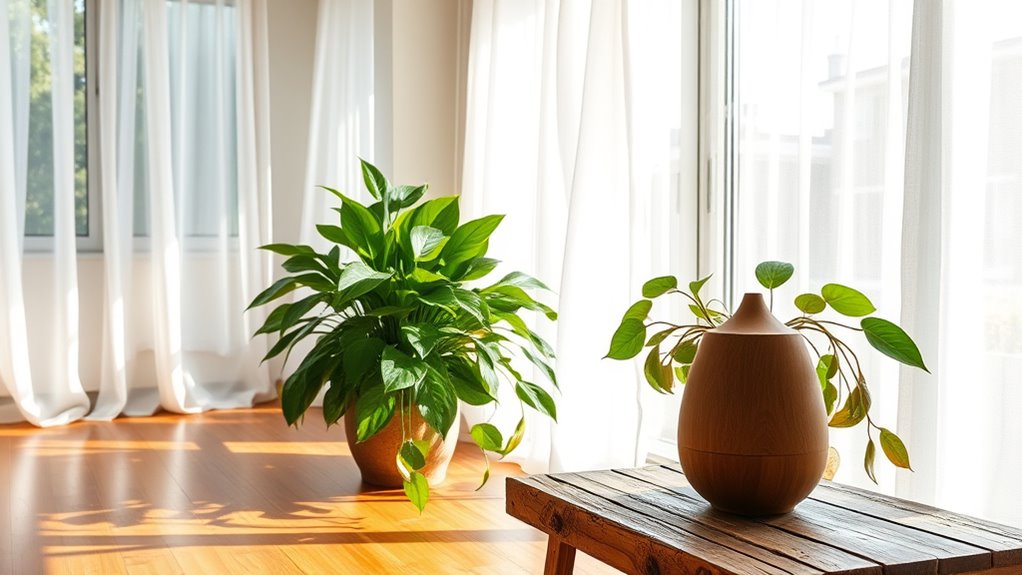

To find the right balance between ventilation and scent, pay attention to how airflow impacts your aromatic experience. Good air exchange keeps things fresh, while proper scent diffusion enhances your space. Place diffusers away from strong drafts to maintain fragrance intensity without overwhelming your senses. By adjusting ventilation levels, you can enjoy pleasant scents without discomfort. Explore how subtle changes can create a more inviting atmosphere and elevate your indoor experience even further.
Key Takeaways
- Balance between airflow and scent diffusion is essential for a pleasant indoor atmosphere and overall mood enhancement.
- Proper ventilation prevents overwhelming scents while maintaining fresh air, promoting a healthier environment.
- Optimal placement of diffusers and candles enhances scent diffusion without disrupting airflow.
- Regularly adjusting air exchange helps maintain consistent scent intensity and indoor comfort.
- Experimenting with different scents and diffusion methods allows personalization of the ambiance to suit individual preferences.
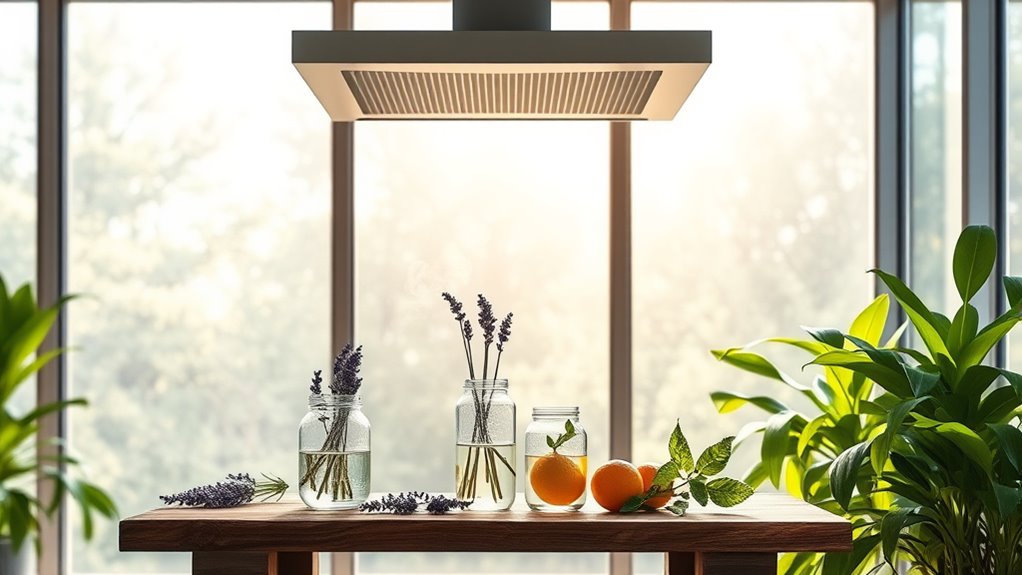
When you walk into a room, the first thing that hits you is often the scent, which can significantly affect your mood and perception. Whether it’s the warm aroma of baked goods or the invigorating smell of citrus, scents can evoke memories and feelings. However, achieving the right balance of ventilation and scent diffusion is essential for creating an inviting environment. Too much of one can easily overpower the other, leaving you with a less than pleasant experience.
To enhance your surroundings, you need to focus on air exchange. Good air exchange not only maintains fresh airflow but also helps in moderating the intensity of scents. Imagine you’re in a room filled with the fragrance of essential oils. If the room’s ventilation is poor, the scent can become overwhelming, leading to discomfort. On the flip side, if the airflow is too strong, it can dissipate your carefully curated aromas before you even get a chance to enjoy them. It’s all about finding that ideal point where the air is fresh but also allows for the subtle notes of your favorite scents to flourish.
Finding the perfect balance between fresh airflow and scent intensity is key to creating an inviting atmosphere.
Scent diffusion plays an indispensable role in this balance. When you use diffusers or candles, the way the scent spreads through the air can enhance your experience. If you’ve ever noticed how a light breeze can carry the scent of flowers from a garden, you understand the importance of diffusion. A well-ventilated space ensures that scents are evenly distributed, creating a harmonious ambiance. You’ll want to consider the placement of diffusers or candles, ensuring that they’re not too close to windows or vents where the scent might escape too quickly.
In addition to enhancing your mood, the right balance of air exchange and scent diffusion can impact your health. Proper ventilation reduces indoor air pollutants, while pleasant scents can reduce stress and promote relaxation. Different brewing methods can also influence the overall ambiance of a room, particularly if you enjoy the aroma of freshly brewed coffee. So, it’s essential to keep your space well-ventilated, allowing fresh air to circulate while also enjoying the comforting scents that make a house feel like home.
Finding the right balance between ventilation and scent diffusion can transform your living space. By paying attention to how air moves in your rooms and how scents are released, you can create an atmosphere that not only smells great but also feels invigorating and uplifting. Enjoy experimenting with different scents and ventilation techniques, and you’ll discover the perfect combination that resonates with your personal style.
Frequently Asked Questions
How Does Humidity Affect Scent Perception Indoors?
Humidity affects scent perception indoors by altering how you experience odors. When humidity levels are high, moisture in the air can enhance certain scents, making them more intense. Conversely, excessive humidity can mask lighter fragrances, making them less detectable. You might notice that a dry environment allows for clearer scent profiles, while a humid space can create a more saturated aroma experience. Monitoring humidity can help you enjoy scents to their fullest potential.
Can Certain Scents Improve Air Quality?
Certain scents can indeed improve air quality, like a gentle breeze sweeping through a room. Indoor plants, such as peace lilies or spider plants, not only beautify your space but also filter toxins from the air. Pairing them with essential oils, like eucalyptus or lavender, can enhance the atmosphere even further. These natural elements work together, creating an invigorating environment that promotes both wellness and a pleasant aroma, making your home feel revitalized.
What Are Natural Alternatives to Synthetic Air Fresheners?
You can use essential oils and herbal infusions as natural alternatives to synthetic air fresheners. Essential oils like lavender, eucalyptus, and lemon not only scent your space but also offer therapeutic benefits. Herbal infusions, such as mint or rosemary, can be steeped in water and used in a diffuser or sprayer. These options create a pleasant atmosphere while avoiding harmful chemicals, making your home feel fresher and more inviting.
How Often Should I Change Air Filters for Optimal Scent?
You should change your air filters every one to three months for ideal scent longevity. Did you know that a clean air filter can improve your indoor air quality by up to 50%? Regular air filter maintenance helps reduce allergens and enhances the freshness of your space. By keeping on top of this task, you not only breathe easier but also enjoy a more pleasant environment in your home.
Do Different Materials Absorb Scents Differently?
Yes, different materials do absorb scents differently. Porous materials, like wood and fabric, tend to retain scents longer due to their ability to trap molecules in their tiny openings. On the other hand, non-porous materials, such as glass or metal, don’t hold onto scents as effectively. If you want to manage scent retention effectively, consider the materials in your space and how they might influence the overall aroma you experience.
Conclusion
Just like a skilled chef balances spices to create a perfect dish, you must harmonize ventilation and scent in your space. Too much airflow might whisk away the fragrance of your favorite candle, while stagnant air could let unwanted odors linger like an uninvited guest. By finding that sweet spot, you invite a invigorating atmosphere that nourishes the soul, making your home a sanctuary where every inhale is a delight, and every exhale brings peace.