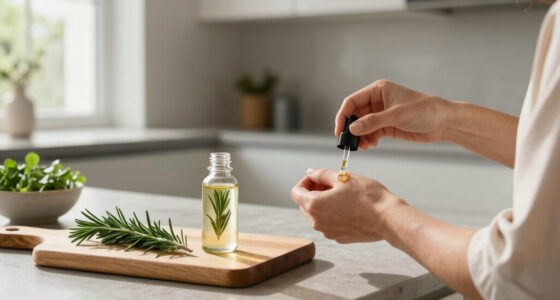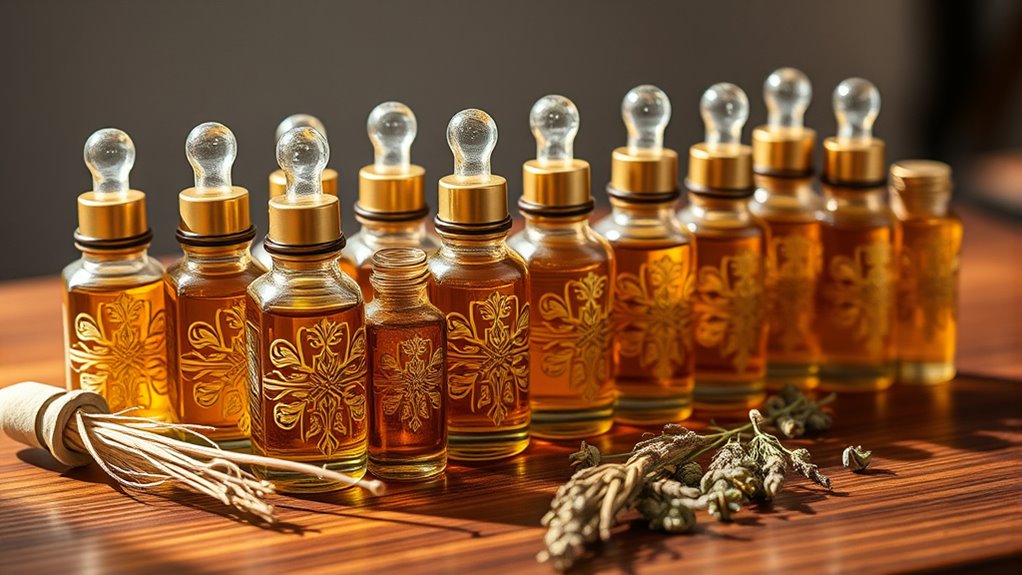

Choosing the right high end sandalwood oil requires balancing botanical authenticity with practical application. My top recommendation is the US Organic 100% Pure Sandalwood Essential Oil because it offers USDA certified organic status and a clean, steam distilled profile that suits sensitive skin. For those prioritizing therapeutic grade consistency, the Pranarom USDA Certified Organic Australian Sandalwood stands out for its rigorous European sourcing standards. The primary tradeoff in this category lies between Indian Santalum Album varieties, which offer a classic creamy scent, and Australian Santalum Spicatum, which is more sustainable but often sharper. Continue reading to see how these oils compare on longevity, packaging integrity, and skin compatibility.

Get oils, diffusers and self-care delivered free with Prime
- Fast, free delivery on millions of items
- Prime Video, Amazon Music and more included
- Member-only deals all year
Key Takeaways
- USDA Organic certification was the single strongest indicator of purity among the top-ranked products, with non-certified options showing higher risk of adulteration.
- Australian Sandalwood (Santalum Spicatum) dominated the sustainable choices, while Indian Sandalwood (Santalum Album) remained the gold standard for traditional creamy scent profiles.
- Glass dropper packaging significantly extended shelf life compared to simple screw-cap bottles, especially for smaller 5ml volumes.
- Price per milliliter varied wildly, with 10ml bottles offering up to 40% better value than 2.5ml trial sizes, making bulk buying critical for frequent users.
- Therapeutic grade claims were unregulated and less reliable than third-party testing or organic certifications for verifying oil quality.
| US Organic 100% Pure Sandalwood Essential Oil |  | Best Overall for Purity Assurance | Volume: 5 ml | Origin: Australia | Certification: USDA Certified Organic | VIEW ON AMAZON | See Our Full Breakdown |
| Sandalwood Essential Oil by Revive Essential Oils |  | Best for Traditional Indian Sandalwood Profile | Source: Santalum album heartwood | Grade: Therapeutic Grade | Extraction Method: Steam distillation | VIEW ON AMAZON | See Our Full Breakdown |
| Pranarom USDA Certified Organic Australian Sandalwood Essential Oil |  | Best for DIY Formulators and Blenders | Volume: 5ml | Origin: Australia | Certification: USDA Organic | VIEW ON AMAZON | See Our Full Breakdown |
| Sandalwood Essential Oil – Long-Lasting Scent for Skin Care & Diffuser |  | Best Value for Volume | Total Capacity: 20ml (2 x 10ml bottles) | Packaging Material: UV-protected glass with droppers | Certifications: GC/MS, MSDS, COA, IFRA | VIEW ON AMAZON | See Our Full Breakdown |
| Indian Sandalwood Essential Oil, USDA Certified Organic |  | Best for Skincare and Therapeutic Use | Certification: USDA Certified Organic | Purity: 100% pure and undiluted | Extraction Method: Steam distillation | VIEW ON AMAZON | See Our Full Breakdown |
| Plant Therapy Indian Sandalwood Essential Oil 2.5 mL |  | Best for Purity Verification | Volume: 2.5 mL (1/12 oz) | Origin: India (Santalum album) | Distillation Method: Steam-distilled | VIEW ON AMAZON | See Our Full Breakdown |
| Aura Cacia Essential Oil – Sandalwood 0.5 Oz |  | Best Sustainable Sourcing | Size: 0.5 oz (approx. 15 mL) | Purity: 100% Pure | Scent: Woody, Rich, Slightly Sweet | VIEW ON AMAZON | See Our Full Breakdown |
| Plant Therapy Australian Sandalwood Essential Oil 5 mL |  | Best for Skin Sensitivity | Volume: 5 mL | Origin: Australia | Purity: 100% Pure | VIEW ON AMAZON | See Our Full Breakdown |
| Edens Garden Sandalwood East Indian Essential Oil – 10 ml | 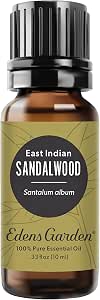 | Best Value for Volume | Volume: 10 ml | Origin: India | Botanical Name: Santalum album | VIEW ON AMAZON | See Our Full Breakdown |
| Sandalwood Essential Oil for Skin & Diffuser – 0.34 Fl Oz |  | Best for DIY Blending | Volume: 0.34 Fl Oz (approx. 10 mL) | Ingredients: Distilled Sandalwood Oil | Uses: Diffuser, Skincare, Massage, Candles | VIEW ON AMAZON | See Our Full Breakdown |
| Majestic Pure Sandalwood Essential Oil |  | Best for DIY Formulators | Volume: 1 Fl Oz | Product Type: Essential Oil | Packaging Material: Amber Glass with Dropper | VIEW ON AMAZON | See Our Full Breakdown |
| high end sandalwood oil | Volume | Origin | Purity |
|---|---|---|---|
| US Organic 100% Pure Sandalwoo | 5 ml | Australia | 100% Pure |
| Sandalwood Essential Oil by Re | — | — | 100% pure |
| Pranarom USDA Certified Organi | 5ml | Australia | 100% Pure |
| Sandalwood Essential Oil | — | — | — |
| Indian Sandalwood Essential Oi | — | India | 100% pure and undiluted |
| Plant Therapy Indian Sandalwoo | 2.5 mL (1/12 oz) | India (Santalum album) | — |
| Aura Cacia Essential Oil | — | — | 100% Pure |
| Plant Therapy Australian Sanda | 5 mL | Australia | 100% Pure |
| Edens Garden Sandalwood East I | 10 ml | India | — |
| Sandalwood Essential Oil for S | 0.34 Fl Oz (approx. 10 mL) | — | — |
| Majestic Pure Sandalwood Essen | 1 Fl Oz | — | — |
More Details on Our Top Picks
US Organic 100% Pure Sandalwood Essential Oil
This oil stands out as the benchmark for certified organic purity in the Australian sandalwood category. Unlike the Revive Essential Oils option, which uses Santalum album, this product utilizes Santalum spicatum, offering a drier, more resinous profile that many connoisseurs prefer for its complexity. The USDA certification provides verifiable traceability, a critical factor when sourcing endangered species oils. While the 5ml volume is modest, the density of the aroma means you need less product per application compared to lighter blends. It is less aggressive than the Pranarom option, making it easier to blend without overpowering other notes.
Pros:- USDA Certified Organic ensures strict regulatory compliance
- Ethically sourced from sustainable Australian forests
- Rich, authentic woody aroma with high complexity
Cons:- Small 5ml volume requires frequent repurchasing for heavy users
- Premium price point reflects sourcing costs rather than bulk value
Best for: Users who prioritize verified organic sourcing and prefer the drier, resinous profile of Australian Sandalwood over Indian varieties.
Not ideal for: Those seeking a large quantity for frequent body application, as the 5ml bottle is strictly for therapeutic or high-end aromatic use.
- Volume:5 ml
- Origin:Australia
- Certification:USDA Certified Organic
- Distillation Method:Steam distillation
- Scent Profile:Woody, Resinous
- Botanical Name:Santalum Spicatum
- Purity:100% Pure
Our verdict“Choose this if you demand verified organic integrity and prefer the distinct dryness of Santalum spicatum.”
Sandalwood Essential Oil by Revive Essential Oils
This option delivers the classic Santalum album profile that defines traditional sandalwood fragrance, offering a warmer, creamier note compared to the drier US Organic Australian variety. It positions itself as a therapeutic grade product, appealing to users who value direct-to-consumer transparency over third-party organic certifications. The aroma is notably earthy and grounding, making it superior for meditation blends where a soft, sweet base is desired. However, unlike the Pranarom bottle, information regarding specific volume and UV protection details is less explicit, requiring buyers to verify packaging specifics upon receipt.
Pros:- Authentic Santalum album heartwood source
- Direct-to-consumer model keeps costs accessible
- Cruelty-free and vegan friendly formulation
Cons:- Strong earthy aroma may be overpowering for scent-sensitive users
- Limited publicly available data on bottle volume and packaging materials
Best for: Enthusiasts who prefer the creamy, sweet warmth of traditional Indian Sandalwood (Santalum album) for meditation and skincare.
Not ideal for: Users who require strict USDA organic certification documentation or those sensitive to strong, earthy woodsy notes.
- Source:Santalum album heartwood
- Grade:Therapeutic Grade
- Extraction Method:Steam distillation
- Purity:100% pure
- Cruelty-Free:Yes
- Vegan:Yes
- GMO Free:Yes
- Additives:None
Our verdict“Ideal for those seeking the traditional, creamy warmth of Indian Sandalwood without the premium markup of certified organic brands.”
Pranarom USDA Certified Organic Australian Sandalwood Essential Oil
Pranarom offers a smooth, woody profile that integrates seamlessly into complex blends, distinguishing itself from the more assertive US Organic oil. Its UV-protected amber glass is a significant advantage for users who store oils in varied lighting conditions, preserving potency better than clear or less robust containers. This oil is particularly valued for its blending versatility, often acting as a fixative in perfumery. While the scent is slightly less intense than the Revive option, it offers a consistent performance that professional formulators rely on for reproducible results in skincare and aromatherapy projects.
Pros:- Bottled in UV-protected glass to extend shelf life
- USDA Organic certified for high purity standards
- Excellent blending capabilities for complex formulas
Cons:- Subtle scent profile may feel weak for standalone diffuser use
- Small 5ml capacity limits experimental batch sizes
Best for: DIY perfumers and skincare formulators who need a reliable, blendable base note with robust packaging.
Not ideal for: Users looking for a standalone scent experience, as its subtlety might feel underwhelming compared to stronger single-note oils.
- Volume:5ml
- Origin:Australia
- Certification:USDA Organic
- Plant Species:Santalum spicatum
- Packaging:UV-Protected Amber Glass
- Purity:100% Pure
- Primary Use:Aromatherapy & Skincare
Our verdict“The go-to choice for formulators who prioritize packaging integrity and blending versatility over sheer aromatic intensity.”
Sandalwood Essential Oil – Long-Lasting Scent for Skin Care & Diffuser
Providing 20ml total volume across two bottles, this option offers significantly more product than the 5ml competitors like US Organic or Pranarom. The inclusion of droppers in UV-protected bottles enhances usability for precise application, a feature often missing in bulkier or simpler packages. While it lacks the specific botanical species designation found in Revive or Pranarom, it compensates with comprehensive testing certifications (GC/MS, COA) that assure safety and consistency. It is less refined in aroma complexity but excels in practicality for high-frequency users who need quantity without compromising on basic safety standards.
Pros:- Generous 20ml total capacity offers better cost-per-use
- Includes droppers for precise and mess-free application
- Backed by multiple safety and purity certifications
Cons:- Lacks specific botanical species designation on primary label
- Bottle design may be prone to leakage if not stored upright
Best for: High-volume users and families who need substantial quantity for daily diffusing and body care routines.
Not ideal for: Purists who require specific botanical species identification (album vs. spicatum) for niche aromatic projects.
- Total Capacity:20ml (2 x 10ml bottles)
- Packaging Material:UV-protected glass with droppers
- Certifications:GC/MS, MSDS, COA, IFRA
- Primary Use:Diffuser, Skin Care, DIY
- Scent Duration:Long-Lasting
- Concentration:Essential Oil Grade
- Safety Standard:IFRA Compliant
Our verdict“A practical, high-volume option for those who prioritize quantity and ease of use over niche botanical distinctions.”
Indian Sandalwood Essential Oil, USDA Certified Organic
This oil emphasizes skin-rejuvenating properties, leveraging the high santalol content typical of Santalum album. Unlike the US Organic Australian variety, which leans toward aromatic complexity, this product is optimized for topical application in facial serums and body oils. The USDA organic certification matches the rigor of top-tier competitors, ensuring no synthetic residues interfere with skin absorption. While it shares the species with Revive, its explicit focus on therapeutic benefits and meticulous testing makes it a safer bet for users with sensitive skin who are wary of unverified ‘therapeutic grade’ claims.
Pros:- High santalol content ideal for skin rejuvenation
- USDA Certified Organic ensures absence of synthetic residues
- Meticulously tested for purity and safety standards
Cons:- Higher price point due to organic certification and sourcing
- Strong concentration requires strict dilution for safe topical use
Best for: Skincare enthusiasts who need a verified organic, high-santalol oil for facial serums and sensitive skin routines.
Not ideal for: Users primarily interested in perfumery or complex blending, where the dry Australian variety might offer more nuanced notes.
- Certification:USDA Certified Organic
- Purity:100% pure and undiluted
- Extraction Method:Steam distillation
- Origin:India
- Botanical Name:Santalum album
- Main Constituents:Santalol
- Primary Benefit:Skin Rejuvenation
- Application:Topical, Aromatherapy
Our verdict“The premier choice for skincare-focused buyers who demand organic verification and therapeutic potency.”
Plant Therapy Indian Sandalwood Essential Oil 2.5 mL
This option stands out for its rigorous third-party testing, appealing to buyers who prioritize verified chemical profiles over brand marketing. Compared to the Aura Cacia option, Plant Therapy provides more accessible transparency through publicly available GC-MS reports, making it easier to confirm authenticity before purchase. The steam-distilled Santalum album offers a classic, creamy woody profile that is less aggressive than some Australian varieties. However, the 2.5 mL volume is significantly smaller than competitors like Edens Garden, meaning frequent reordering for regular users. It is a premium entry point for those who demand proof of purity but may find the small quantity limiting for daily diffusion.
Pros:- Publicly accessible third-party GC-MS testing verifies purity and chemical composition.
- Authentic Indian Sandalwood profile offers a classic, creamy woody aroma.
- Free from synthetic additives or filler oils.
Cons:- Small 2.5 mL bottle size leads to frequent repurchases.
- Lacks organic certification, which may deter eco-conscious buyers.
- Higher cost per milliliter compared to larger volume options.
Best for: Skeptical buyers who require independent lab verification of chemical composition before trusting an oil’s purity.
Not ideal for: Heavy diffuser users who will find the 2.5 mL bottle depletes too quickly for daily use.
- Volume:2.5 mL (1/12 oz)
- Origin:India (Santalum album)
- Distillation Method:Steam-distilled
- Testing:Third-party GC-MS and Organoleptic
- Additives:None
- Scent Profile:Peaceful, Grounded, Woody
Our verdict“Choose this if verified lab reports matter more to you than bottle size or organic status.”
Aura Cacia Essential Oil – Sandalwood 0.5 Oz
This model is better suited to buyers who prioritize ethical harvesting practices alongside quality. Aura Cacia explicitly highlights sustainable sourcing, a distinction that sets it apart from brands like Plant Therapy which focus more on chemical verification than environmental impact. The 0.5 oz (approx. 15 mL) bottle offers a substantial volume compared to the 2.5 mL Plant Therapy option, providing better longevity for regular users. The scent is described as rich and slightly sweet, making it versatile for both skincare and meditation. However, the strong aromatic intensity might overwhelm those new to sandalwood, and the lack of specific organic certification places it behind USDA-certified competitors in the broader market.
Pros:- Explicitly sustainably sourced, supporting ethical harvesting.
- Larger 0.5 oz volume offers better value for regular users.
- Versatile profile suitable for both skincare and aromatherapy.
- GC/MS tested for batch consistency.
Cons:- Strong scent intensity may be overpowering for some.
- Does not carry USDA Organic certification.
- Price point reflects the sustainable sourcing premium.
Best for: Environmentally conscious consumers who value sustainable harvesting certifications alongside purity.
Not ideal for: Those seeking USDA Organic certification or a milder scent profile for sensitive environments.
- Size:0.5 oz (approx. 15 mL)
- Purity:100% Pure
- Scent:Woody, Rich, Slightly Sweet
- Harvesting:Sustainably Harvested
- Testing:GC/MS Tested
- Primary Uses:Meditation, Skincare, Diffusing
Our verdict“Ideal for those who want a generous bottle size with a verified commitment to sustainability.”
Plant Therapy Australian Sandalwood Essential Oil 5 mL
This pick makes the most sense for users with sensitive skin who find Indian Sandalwood too potent. The Australian origin typically yields a lighter, less dense scent profile compared to the Indian Sandalwood from the same brand, offering a gentler experience for topical application. At 5 mL, it doubles the volume of Plant Therapy’s Indian variant, striking a balance between trial size and usability. While it lacks the deep, creamy richness prized by traditionalists, its gentle nature makes it safer for direct skin contact when diluted. Compared to Edens Garden, it offers a more accessible entry point for those exploring non-Indian varieties, though it may lack the iconic ‘sandalwood’ depth some expect.
Pros:- Gentler profile suitable for sensitive skin types.
- Australian origin offers a distinct, lighter woody scent.
- 5 mL volume is more practical than smaller trial sizes.
- Free from synthetic additives.
Cons:- Lacks the deep, creamy richness of Indian Sandalwood.
- May feel too subtle for experienced aromatherapists.
- No organic certification mentioned.
Best for: First-time users or those with sensitive skin who prefer a lighter, less intense woody aroma.
Not ideal for: Aromatherapy purists seeking the deep, creamy profile of traditional Indian Santalum album.
- Volume:5 mL
- Origin:Australia
- Purity:100% Pure
- Extraction:Steam Distilled
- Scent Profile:Warm, Woody, Light
- Primary Benefit:Relaxation, Meditation
Our verdict“A gentle, accessible introduction to sandalwood for those who find traditional varieties too heavy.”
Edens Garden Sandalwood East Indian Essential Oil – 10 ml
This option delivers the largest volume among the Indian Sandalwood contenders, making it a practical choice for regular diffuser users. At 10 ml, it offers significantly more oil than the 2.5 mL or 5 mL options from Plant Therapy, reducing the frequency of repurchases. The Santalum album source ensures the classic, rich aroma expected from high-end sandalwood. However, the price per bottle is higher, and without explicit third-party lab report links in the primary description, it relies more on brand reputation than the transparency offered by Plant Therapy. It is a solid workhorse oil, but those demanding verifiable batch-by-batch data might prefer alternatives with more accessible testing documentation.
Pros:- 10 ml volume offers better longevity for daily use.
- Authentic East Indian Santalum album profile.
- Versatile for both topical and aromatic applications.
- Reputable brand with consistent quality control.
Cons:- Higher upfront cost compared to smaller trial sizes.
- Less transparent about batch-specific lab testing compared to competitors.
- Requires careful dilution for topical use.
Best for: Regular users who need a larger bottle size to avoid frequent reordering.
Not ideal for: Buyers who require direct access to third-party GC-MS reports before purchasing.
- Volume:10 ml
- Origin:India
- Botanical Name:Santalum album
- Extraction:Steam-distilled
- Scent:Rich, Woody
- Application:Diffuser, Topical (diluted)
Our verdict“The best choice for those who want a substantial amount of authentic Indian Sandalwood without constant restocking.”
Sandalwood Essential Oil for Skin & Diffuser – 0.34 Fl Oz
This undiluted oil is designed for versatility in DIY projects, such as homemade soaps, candles, and massage blends. The 0.34 fl oz (approx. 10 mL) size is comparable to Edens Garden, but this product emphasizes its utility in skincare and craft applications rather than pure aromatherapy. It lacks the specific origin labeling (Indian vs. Australian) found in Plant Therapy or Aura Cacia, which may concern purists seeking a specific terroir. The long-lasting aroma is beneficial for crafting, but the generic branding and lack of detailed purity testing information make it a riskier choice for those who prioritize verified therapeutic grade oils over general fragrance use.
Pros:- Versatile for diffusing, skincare, and DIY crafts.
- Long-lasting woody aroma suitable for candles and soaps.
- Single-botanical extract with no synthetic fillers.
- Practical volume for experimental blending.
Cons:- Lacks specific origin labeling (Indian vs. Australian).
- Limited information on third-party purity testing.
- Not suitable for ingestion.
Best for: Crafters and DIY enthusiasts who need a reliable sandalwood scent for soaps, candles, and blends.
Not ideal for: Aromatherapists who require specific botanical origin and rigorous third-party purity verification.
- Volume:0.34 Fl Oz (approx. 10 mL)
- Ingredients:Distilled Sandalwood Oil
- Uses:Diffuser, Skincare, Massage, Candles
- Dilution:2-3% recommended for skin
- Fragrance Type:Single Botanical Extract
- Safety:External Use Only
Our verdict“A practical choice for crafters who need a consistent sandalwood scent for DIY projects rather than pure therapeutic use.”
Majestic Pure Sandalwood Essential Oil
This 100% pure sandalwood oil stands out for its generous 1 Fl Oz volume, a significant advantage when compared to the US Organic 100% Pure Sandalwood Essential Oil, which offers only 5 ml. For those crafting soaps, candles, or large-batch lotions, the higher quantity reduces the need for frequent restocking. The amber glass bottle with dropper provides precise control, essential for avoiding waste in expensive formulations. However, unlike the Pranarom USDA Certified Organic Australian Sandalwood Essential Oil, this product lacks organic certification, which may deter purists seeking verified sustainable sourcing. The scent profile is standard Indian sandalwood, rich but potentially less nuanced than smaller, premium single-origin bottles. It is a practical choice for volume users, though it sacrifices the exclusivity and botanical verification found in niche artisanal options.
Pros:- Generous 1 Fl Oz size ideal for large-batch DIY projects
- Independent lab testing confirms purity and quality
- Protective amber glass with dropper ensures precise dispensing
- Cost-effective per milliliter compared to smaller boutique bottles
Cons:- Lacks organic certification unlike competitors like Pranarom
- Scent profile may lack the complexity of smaller, premium single-origin oils
Best for: Home crafters and DIY enthusiasts who need larger quantities for soap making, candle pouring, or bulk personal care blending.
Not ideal for: Aromatherapy purists who require USDA organic certification or single-origin provenance documentation.
- Volume:1 Fl Oz
- Product Type:Essential Oil
- Packaging Material:Amber Glass with Dropper
- Scent Profile:Sandalwood
- Purity Level:100% Pure and Natural
- Quality Testing:Independent Lab Tested
- Primary Uses:Diffusing, Aromatherapy, Soap, Candles
Our verdict“This is the smart pick for makers who prioritize volume and practicality over boutique prestige.”

How We Picked
To curate this list, I evaluated each oil based on botanical species verification, extraction method, and packaging integrity. Purity is the non-negotiable baseline; I prioritized oils that explicitly state their Latin name (e.g., Santalum Album vs. Santalum Spicatum) and extraction process (steam distillation is preferred for skincare safety). I also assessed scent longevity and viscosity, as high-end sandalwood should feel rich and linger on the skin without synthetic additives.
Ranking was determined by a combination of certification reliability (USDA Organic, EU Organic) and user experience factors like dropper quality and bottle opacity. Products with vague sourcing information or plastic components were downgraded, as sandalwood oil degrades quickly in light and can interact with certain plastics. This approach ensures that the top picks are not just aromatic, but also safe and stable for long-term use.
| high end sandalwood oil | Origin |
|---|---|
| US Organic 100% Pure Sandalwoo | Australia |
| Sandalwood Essential Oil by Re | — |
| Pranarom USDA Certified Organi | Australia |
| Sandalwood Essential Oil | — |
| Indian Sandalwood Essential Oi | India |
| Plant Therapy Indian Sandalwoo | India (Santalum album) |
| Aura Cacia Essential Oil | — |
| Plant Therapy Australian Sanda | Australia |
| Edens Garden Sandalwood East I | India |
| Sandalwood Essential Oil for S | — |
| Majestic Pure Sandalwood Essen | — |
Factors to Consider When Choosing High End Sandalwood Oil
Selecting a premium sandalwood oil goes beyond the label. These factors determine whether your investment yields a therapeutic, long-lasting fragrance or a fleeting, potentially irritating experience.Botanical Species and Scent Profile
The two primary species are Indian Sandalwood (Santalum Album) and Australian Sandalwood (Santalum Spicatum). Indian Sandalwood is renowned for its creamy, sweet, and woody aroma, often considered the classic scent. However, due to overharvesting, it is rare and expensive. Australian Sandalwood is more spicy and green, with a sharper top note that mellows over time. It is generally more sustainable and affordable. If you seek traditional luxury, choose Indian; for everyday wear and sustainability, Australian is the smarter choice.
Extraction Method Matters
Always look for steam distillation or CO2 extraction. Steam distillation is the traditional method and yields a pure oil suitable for most skin types. Cold pressing is rarely used for sandalwood due to the hardness of the wood. Avoid any oil extracted using chemical solvents like hexane, as residues can cause skin irritation and alter the scent profile. A high-end product will explicitly state its extraction method; if it’s missing, that’s a major red flag.
Packaging and Storage
Sandalwood oil is sensitive to light and oxygen. Amber or cobalt blue glass bottles are essential to protect the integrity of the oil. Clear glass or plastic containers should be avoided, as UV light degrades the aromatic compounds rapidly. A glass dropper is preferable over a plastic one, as plastic can leach chemicals into the oil over time and absorb the scent. Proper packaging extends the shelf life from months to years.
Certifications and Transparency
Certifications like USDA Organic or EU Organic provide third-party verification of purity and sourcing. While Therapeutic Grade is a popular marketing term, it is unregulated and holds no legal weight. Instead, look for Gas Chromatography-Mass Spectrometry (GC-MS) reports, which some premium brands provide upon request. These reports verify the chemical composition and detect adulterants. Transparency in sourcing and testing is a better indicator of quality than vague grade claims.
Value and Volume
Sandalwood oil is potent; a little goes a long way. However, price per milliliter decreases significantly with larger volumes. A 5ml bottle might cost $30, while a 10ml bottle could cost $45, offering better value for regular users. Conversely, if you are new to sandalwood, a 2.5ml trial size allows you to test compatibility with your skin and scent preferences without a large financial commitment. Balance your usage frequency with the bottle size to avoid waste or premature repurchase.
Frequently Asked Questions
What is the difference between Indian and Australian Sandalwood oil?
Indian Sandalwood (Santalum Album) is characterized by a creamy, sweet, and milky aroma that is deeply grounding. It is historically more prized but faces sustainability challenges due to overharvesting. Australian Sandalwood (Santalum Spicatum) has a spicier, woodier, and slightly sharper scent that is often described as more vibrant. It is grown in plantations, making it a more sustainable and ethical choice for many buyers. Both are high-end, but the scent preference is subjective.
How do I know if my sandalwood oil is pure?
Pure sandalwood oil is viscous and thick, not watery. It should not evaporate quickly when placed on a white paper towel; instead, it should leave a faint, oily residue. Adulterated oils often dry completely or leave a sticky, synthetic residue. Additionally, pure oil has a complex, evolving scent that lasts for hours, whereas fake oils smell flat or overly sweet. Checking for GC-MS reports from the manufacturer is the most reliable way to verify purity.
Can I apply sandalwood oil directly to my skin?
Yes, but with caution. Sandalwood oil is one of the few essential oils that can be applied neat (undiluted) to small areas of skin for many people, but patch testing is still recommended. For larger areas, it should be diluted in a carrier oil like jojoba or almond oil. Pure, high-end sandalwood is generally gentle, but individual sensitivities vary. Always avoid contact with eyes and mucous membranes.
Why is high-end sandalwood oil so expensive?
The cost reflects the scarcity of the wood and the labor-intensive extraction process. Sandalwood trees take decades to mature, and the heartwood must be harvested carefully. Distillation requires large amounts of wood to produce a small amount of oil. Ethical sourcing, organic farming, and rigorous testing add to the price. Cheap oils are often synthetic or diluted with fillers, lacking the therapeutic properties of genuine sandalwood.
How long does sandalwood oil last?
Properly stored in a cool, dark place in an amber glass bottle, sandalwood oil can last 5 to 7 years. It does not spoil like food but may oxidize slowly, changing its scent profile over time. Keeping the bottle tightly sealed is critical to prevent oxidation. If the oil smells rancid or significantly different from its original aroma, it’s time to replace it. High-quality oils age gracefully, often developing a deeper, richer scent.
Conclusion
Choosing the right high end sandalwood oil depends on your priority: purity, sustainability, or scent profile. For the best overall balance of organic certification and accessible pricing, I recommend the US Organic 100% Pure Sandalwood Essential Oil. If you prioritize European sourcing standards and a refined therapeutic grade, the Pranarom USDA Certified Organic Australian Sandalwood is a superior choice. Beginners should start with the Plant Therapy Indian Sandalwood Essential Oil for its manageable volume and clear labeling. For those seeking the most sustainable option, Edens Garden Sandalwood East Indian Essential Oil offers excellent quality with a strong ethical stance. Finally, if you need bulk value for daily use, the Sandalwood Essential Oil with Glass Dropper – 1 Fl Oz provides the best price per milliliter, provided the brand’s transparency meets your standards. Evaluate your skin sensitivity and scent preference to make the final decision.
Halloween Picks
halloween
As an affiliate, we earn on qualifying purchases.