
When sourcing quality hydrolats, prioritize reputable origins from organic or sustainably sourced farms. Look for dark glass packaging to protect the product from light, ensuring its freshness. Pay attention to the color and scent; vibrant colors and fresh aromas indicate quality. Don’t hesitate to ask suppliers about their distillation methods and transparency regarding product details. This approach connects you with superior, effective products that enhance your holistic wellness. Explore further to discover more key factors in selecting the best hydrolats.
Key Takeaways
- Verify the origin of hydrolats, ensuring they come from reputable distilleries or farms that prioritize organic and sustainable practices.
- Choose hydrolats packaged in dark glass bottles to protect them from light and maintain product integrity over time.
- Assess the scent and color of hydrolats; vibrant colors and fresh aromas indicate quality and proper storage.
- Seek suppliers who provide detailed information about distillation methods and sourcing practices for transparency and product integrity.
- Focus on hydrolats that align with holistic wellness values, emphasizing purity and ethical standards in skincare and overall health.
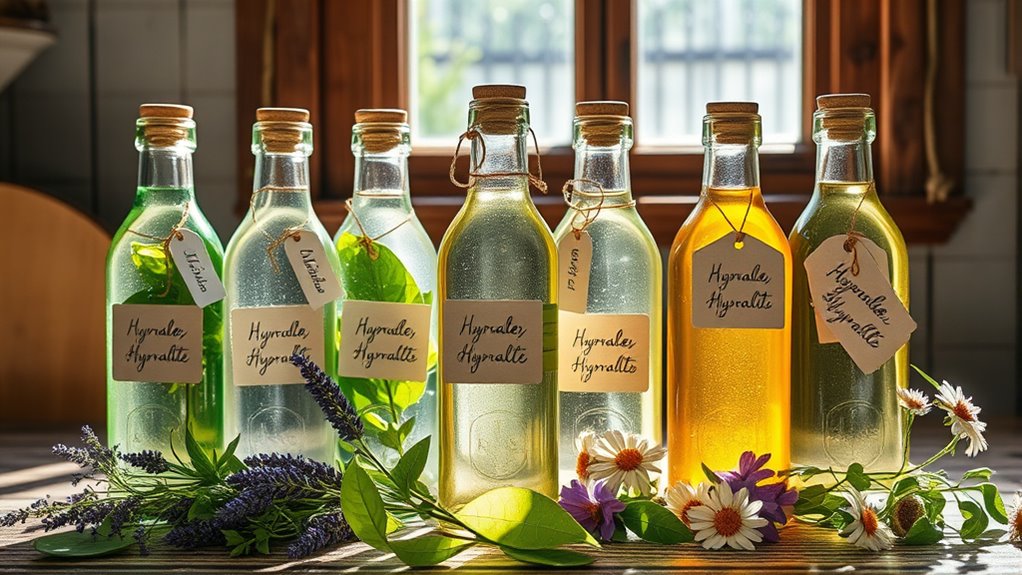
Sourcing hydrolats can be a rewarding journey for anyone passionate about natural skincare and aromatherapy. When you explore the world of hydrolats, you’re not just exploring a product; you’re unlocking a treasure trove of benefits that come from pure plant extracts. These aromatic waters, created during the distillation process of essential oils, carry the essence of the plant, making them a fantastic addition to your skincare routine. However, not all hydrolats are created equal, and knowing how to source quality ones is crucial for getting the most out of them.
One of the first things you should consider when sourcing hydrolats is the origin. Look for hydrolats that are sourced from reputable distilleries or farms. This ensures that you’re selecting pure hydrolats that haven’t been diluted or adulterated with synthetic ingredients. When you research the source, you’ll often find information about the cultivation practices, harvesting methods, and distillation processes used. Organic or sustainably sourced hydrolats are typically a safe bet, as they’re less likely to contain harmful chemicals.
Consider the origin of hydrolats; prioritize those from reputable distilleries to ensure purity and quality in your skincare routine.
Next, pay attention to the packaging. Quality hydrolats usually come in dark glass bottles that protect the contents from light, ensuring the integrity of the hydrolat is maintained. Plastic bottles can leach chemicals over time, compromising the purity of the product. If you see hydrolats in clear bottles, be cautious; they might not be as effective as those in proper packaging. Always check for labels that indicate the product is 100% hydrosol, without any fillers or additives.
When selecting pure hydrolats, consider the scent and color as well. A well-made hydrolat should have a vibrant color and a fresh, aromatic scent reflective of the plant it’s derived from. If the aroma seems weak or off, it could be a sign of poor quality or improper storage. Trust your senses; they’re your best ally when evaluating these products.
Finally, don’t hesitate to reach out to suppliers for more information. Ask about their distillation methods and sourcing practices. A dedicated supplier will be happy to provide details, as they take pride in their products. By doing your homework and being selective, you’ll find hydrolats that not only enhance your skincare routine but also align with your values. Sourcing hydrolats isn’t just about the end product; it’s about embracing a holistic approach to wellness that celebrates nature’s gifts. So, embark on this journey with curiosity and diligence, and you’ll discover the perfect hydrolats for your needs. The bond between fathers and daughters can also inspire one to look for quality products that nurture both skin and spirit.
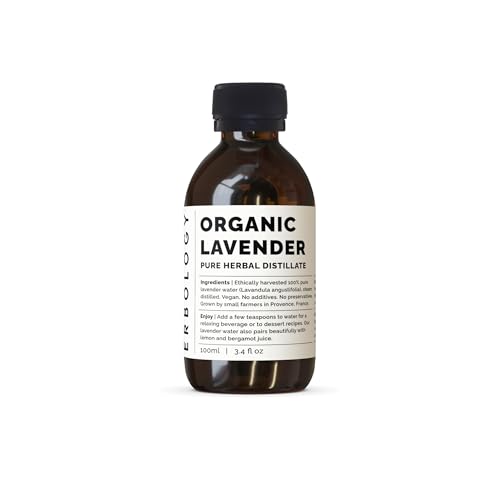
Erbology Organic Lavender Water 3.4 fl oz – Premium Food Grade Hydrolate of Lavender – Soothing and Relaxing – Non-GMO – Recyclable Glass Bottle
100% ORGANIC & PURE: Superior quality, therapeutic lavender water distilled from the finest lavender
As an affiliate, we earn on qualifying purchases.
As an affiliate, we earn on qualifying purchases.
Frequently Asked Questions
How Can I Test the Quality of a Hydrolat at Home?
To test the quality of a hydrolat at home, start with scent evaluation. Take a small amount and smell it; high-quality hydrolats should have a fresh, natural aroma. If it smells off or overly strong, it might not be good. Next, check for clarity. Pour some into a clear glass; it should be clear without any sediment. finally, perform a skin patch test to see how your skin reacts.
Are There Specific Certifications to Look for in Hydrolats?
Yes, you should look for specific certifications like USDA Organic or Ecocert when choosing hydrolats. These labels represent quality assurance and guarantee the product’s purity and safety. While some might think these certifications don’t matter, they actually provide peace of mind, showing that the hydrolat meets stringent standards. So, when you’re shopping, check the label for organic certifications to ensure you’re getting a high-quality product you’ll love.
What Are the Best Storage Practices for Hydrolats?
To guarantee your hydrolats stay fresh, follow proper storage practices. Keep them in a cool, dark place, away from direct sunlight and heat sources. Use amber or cobalt glass bottles to minimize light exposure, and always tightly seal them after use. For contamination prevention, avoid touching the inside of the cap or the dropper with your fingers. This way, you can maintain the quality and longevity of your hydrolats.
Can Hydrolats Expire or Lose Potency Over Time?
Yes, hydrolats can expire or lose potency over time, much like a delicate flower wilting in the sun. You’ll want to keep an eye on shelf life indicators, such as changes in color, scent, or clarity. Proper botanical preservation techniques can help extend their lifespan, but they’re not immune to degradation. Store them in cool, dark places to maintain their freshness and effectiveness, ensuring you enjoy their benefits for as long as possible.
How Do Hydrolats Differ From Essential Oils in Usage?
Hydrolats differ from essential oils in usage primarily due to their botanical differences and extraction methods. While essential oils are concentrated and potent, hydrolats are gentler, making them suitable for direct skin application. You can use hydrolats for facial toners, mists, or in homemade skincare products. Their mild nature allows for more versatile applications, especially for sensitive skin, where essential oils might be too strong. Enjoy experimenting with these fragrant botanicals!
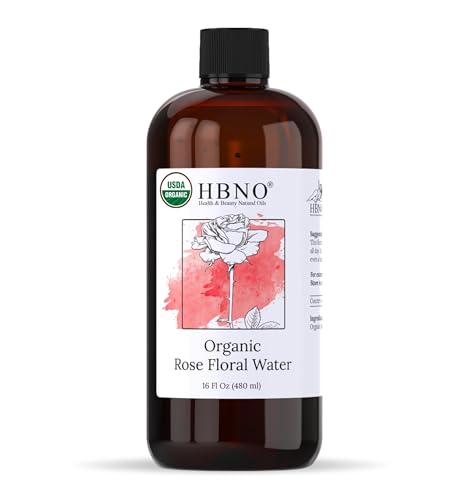
HBNO California Bottled Organic Rose Water for Face Huge 16 fl oz (480ml) Value Size – USDA Certified for Face – Pure Rose Water for Hair – Rosewater for Skincare, Haircare
Usda Certified Organic Premium Quality Floral Water: Our organic rose waters are usda organic certified by onecert, aiming…
As an affiliate, we earn on qualifying purchases.
As an affiliate, we earn on qualifying purchases.
Conclusion
When you’re sourcing hydrolats, remember you’re not just picking a product; you’re choosing a piece of nature’s essence, akin to selecting fine wine. Quality matters—look for purity, traceability, and aroma that transports you to the fields where the plants thrive. By prioritizing these factors, you’ll make certain your hydrolats are as vibrant and effective as the blooms that birthed them. So, trust your instincts and seek out the best; your senses will thank you.

Erbology Organic Rosemary Water 3.4 fl oz – Premium Food Grade Hydrolate of Rosemary – Healthy Hair – Small Batch – Sustainably Sourced Straight from Farm in Provence, France
100% organic distilled rosemary water from French rosemary
As an affiliate, we earn on qualifying purchases.
As an affiliate, we earn on qualifying purchases.

Understanding Hydrolats: The Specific Hydrosols for Aromatherapy: A Guide for Health Professionals
As an affiliate, we earn on qualifying purchases.
As an affiliate, we earn on qualifying purchases.