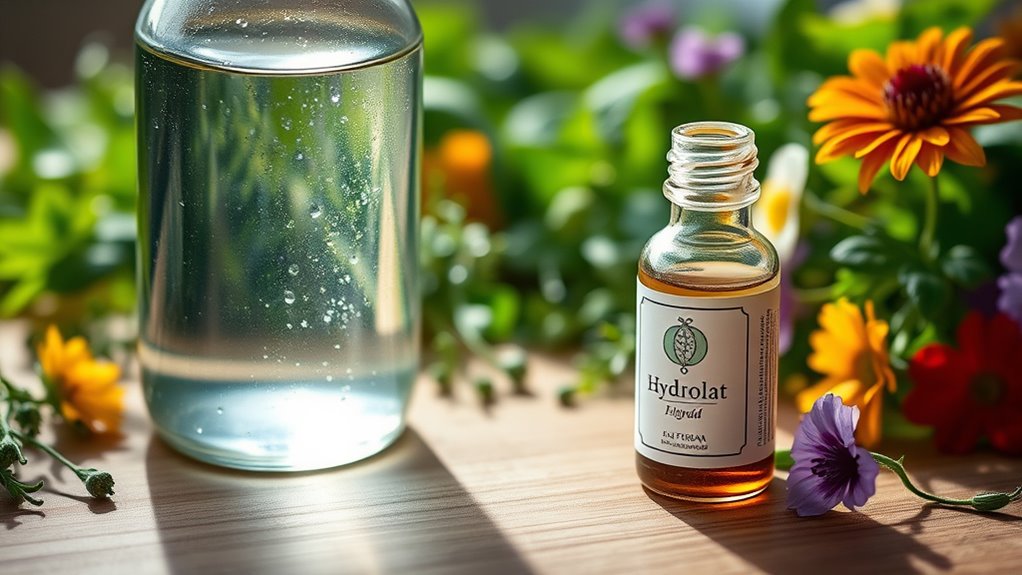

When combining hydrolats with essential oils, always follow proper dilution ratios, using 1-5% concentration. Start with one drop of essential oil per teaspoon of hydrolat for safety. Always perform a patch test on your skin and store your blends in cool, dark places to maintain their potency. Label your creations clearly to track freshness. As you explore this topic, you’ll discover more tips and techniques to maximize the benefits of your blends.
Key Takeaways
- Always use a proper dilution ratio of 1-5% when combining essential oils with hydrolats for safety.
- Perform a patch test and wait 24 hours to check for any adverse reactions before applying blends.
- Store essential oils and hydrolats in cool, dark places using amber or cobalt blue bottles to prevent degradation.
- Label your blends with ingredients and creation dates to ensure freshness and avoid using expired products.
- Refer to trusted sources for comprehensive essential oil safety information to enhance your blending confidence.

When you combine hydrolats with essential oils, it’s vital to do so safely to maximize their benefits and minimize risks. Both hydrolats and essential oils offer unique properties that can enhance your aromatherapy experience, but if you don’t follow proper dilution guidelines, you might end up with skin irritation or other unwanted effects. Remember, essential oils are highly concentrated extracts, and even a few drops can be potent.
Start by determining the right dilution ratio for your specific needs. A general guideline is to dilute essential oils to a concentration of 1-5% when mixing with hydrolats. For instance, if you’re using a 1% dilution, you’d mix one drop of essential oil with a teaspoon of hydrolat. This method helps you enjoy the benefits without overwhelming your skin or senses. If you’re new to blending, start at the lower end of the scale and gradually increase the concentration until you find the perfect balance for your body.
Determine the right dilution ratio, starting at 1-5%, for safe and effective blending of essential oils with hydrolats.
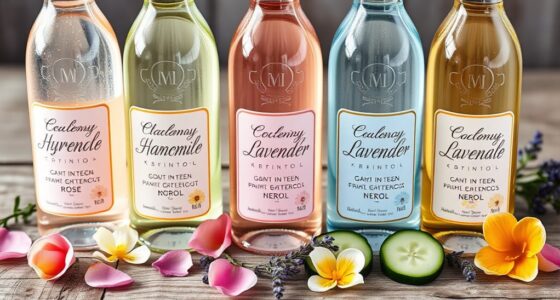
Storage tips also play a vital role in ensuring your blends remain effective and safe. Both hydrolats and essential oils can degrade over time if not stored properly. Keep your hydrolats in a cool, dark place, away from direct sunlight and heat sources. Ideally, you should use amber or cobalt blue bottles, as these colors help protect the contents from light damage. Similarly, essential oils should be stored in dark glass containers, tightly sealed, and kept in a cool environment.
When storing your blends, make sure to label them clearly with the ingredients and the date you created them. This practice helps you keep track of their freshness and avoid using expired products. Most hydrolats have a shelf life of about 6-12 months, while essential oils can last for years if stored correctly.
Before applying any combination to your skin, always perform a patch test. Apply a small amount of the blend to an inconspicuous area and wait 24 hours to see if any irritation occurs. This precaution can save you from potential adverse reactions. By following these dilution guidelines and storage tips, you’ll be well on your way to safely enjoying the wonderful world of hydrolats and essential oils. So, go ahead and experiment, but keep safety at the forefront of your blending adventures!
Furthermore, understanding essential oil safety is crucial for enhancing your overall experience with these aromatic compounds.
Frequently Asked Questions
Can Hydrolats Replace Essential Oils in Recipes?
Hydrolats can’t fully replace essential oils in recipes, but they offer fantastic benefits, especially in skincare. While hydrolats provide gentle hydration and soothing properties, essential oils deliver concentrated therapeutic effects. If you’re looking for a milder alternative, using hydrolats in skincare can be a great option. Just remember, for strong scents or specific therapeutic actions, you’ll still want to include essential oils. Balance is key for the best results in your formulations!
How Long Do Hydrolats Last Once Opened?
Once opened, hydrolats typically last about six months to a year, depending on storage conditions. To keep them fresh, it’s best to store them in a cool, dark place and use glass containers. Remember, a stitch in time saves nine—proper storage can help extend their shelf life. Always check for changes in smell or appearance; if something seems off, it’s better to play it safe and toss it out.
Are Hydrolats Safe for Children and Pets?
Yes, hydrolats are generally safe for children and pets when used properly. For pediatric safety, always choose hydrolats that are free from harmful additives and consult a pediatrician if you’re unsure. As for pets, most hydrolats are non-toxic, but some plants may cause pet toxicity. It’s best to research specific hydrolats or test them in small amounts to guarantee your furry friends don’t have adverse reactions. Always prioritize their health and safety!
Can I Mix Different Types of Hydrolats?
Absolutely, you can mix different types of hydrolats! Think of it as crafting a unique potion in your kitchen. Hydrolats blending can enhance flavors and aromas, creating delightful combinations. For instance, combining rose and lavender hydrolats can elevate your skincare routine or even your culinary creations. Just remember to test small amounts first to find your perfect balance. Enjoy experimenting and discovering new, aromatic blends that suit your needs!
What Is the Best Way to Store Hydrolats?
To store hydrolats effectively, you should use dark glass containers, like amber or cobalt, to protect them from light. Keep them in a cool, dry place, away from heat sources. Make certain the containers are clean and tightly sealed to prevent contamination. Hydrolat preservation is vital, so consider refrigerating them for longer shelf life. Avoid plastic containers, as they can leach chemicals over time. Regularly check for any changes in scent or appearance.
Conclusion
In summary, you can safely enhance your aromatherapy experience by combining hydrolats with essential oils. Just remember, like a painter blending colors on a canvas, balance is key. Always test your mixtures and pay attention to how your body responds. With a little knowledge and care, you can create delightful, soothing blends that elevate your well-being. So, go ahead and explore the vibrant world of scents—your senses are waiting for the adventure!