TL;DR
A Tiny Buddha contributor recounts how mindfulness helped her cope after her daughter’s brain tumor diagnosis, but did not by itself change her habit of taking on too much. Her account suggests that recognizing a pattern and changing it are different processes; it is a personal essay, not a clinical study.
A contributor to Tiny Buddha describes how years of mindfulness and self-reflection did not automatically change her tendency to take on too much and put others first. In a personal essay, she connects that pattern to her response to a family crisis and argues that understanding a habit is not the same as changing it.

Get oils, diffusers and self-care delivered free with Prime
- Fast, free delivery on millions of items
- Prime Video, Amazon Music and more included
- Member-only deals all year
The writer recounts that her three-and-a-half-year-old daughter developed unusual eye movements and a headache while playing at a park. After a nurse advised the family to go to an emergency room, the symptoms had disappeared by the time they arrived. A doctor ordered a CT scan, which revealed a brain tumor. The child underwent emergency surgery, and the family later learned the tumor was benign.
During the emergency, the writer says she focused on decisions and caregiving while also looking after a seven-month-old baby. More than a month later, after the immediate danger had passed, she began sobbing and focused on breathing. She says that experience led her to study mindfulness and develop a regular meditation practice, which helped her observe thoughts and emotions and feel steadier.
Years afterward, while leading a school and raising her family, she says she remained exhausted and continued to respond to demands at work and home. She describes a familiar belief — “I have no choice. I have to do it myself” — that made overwork seem like responsibility. Although she understood the value of rest, boundaries and asking for help, she says that knowledge had not changed the pattern.
Why Insight Can Fall Short
The essay focuses on a distinction many readers may recognize: being able to name a behavior does not necessarily make it easier to act differently. The writer’s account suggests that habits can persist even when someone has reflected on them and understands their costs. Her experience also highlights how a pattern framed as duty or reliability may be difficult to question, especially when other people depend on the person.
This is a personal account, not evidence that mindfulness fails or that one explanation applies to everyone. Its relevance is in the question it raises for readers: when insight has not changed a behavior, what conditions, support or practical choices might help make a different response possible? The supplied excerpt does not establish an answer or describe a tested intervention.
Products Worth Considering

Oral-B iO Series 7 Deep Clean + Protect Rechargeable Electric Toothbrush, Black, with 2 Brush Heads and Charging Travel Case

Therabody Theragun Prime Plus Heated Deep Tissue Massage Gun, Black
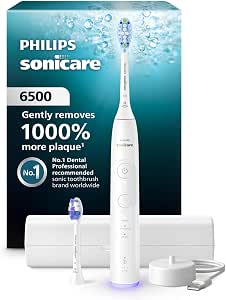
Philips Sonicare 6500 Rechargeable Electric Toothbrush with 2 Brush Heads, White
As an affiliate, we earn on qualifying purchases.
From Crisis to Daily Overload
The essay begins with the daughter’s diagnosis and surgery, then moves forward to the writer’s later work and family life. The writer says the crisis taught her to focus on one breath at a time and eventually led her to mindfulness. She credits that practice with helping her stay present with difficult emotions and observe her thoughts rather than automatically believing them.
She later began examining what she calls deeper patterns beneath her choices. In the excerpt, she describes fatigue, jaw tension, back problems, digestive issues and thyroid concerns while taking on repeated demands. She explicitly cautions against treating the body as a substitute for medical care or assuming a single cause for health problems. The central point is her recognition that she often noticed her own needs but pushed them aside when someone else needed something.
““You can’t stop the waves, but you can learn to surf.””
— The writer, quoting Jon Kabat-Zinn at the start of the essay
What the Essay Does Not Establish
The supplied text is a first-person essay, not a clinical study. It does not show how common the described pattern is, establish that mindfulness has the same effects for other people, or prove that the writer’s physical symptoms were caused by stress or by a specific behavior. The excerpt also ends as she begins connecting her later pattern to her daughter’s illness, so the full explanation and any steps she took afterward are not available in the material provided.
The Writer’s Next Steps
The supplied excerpt does not specify a publication date, follow-up report or next planned milestone. It ends while the writer is beginning to describe a link between the family crisis and her later habit of taking responsibility for everything. Readers would need the complete essay to learn how she develops that connection and whether she describes practical changes. No independent research or expert response is included in the source material.
Key Questions
What is the essay’s main point?
The writer says self-awareness and mindfulness did not automatically change her longstanding habit of taking on too much and putting others’ needs ahead of her own.
What happened to the writer’s daughter?
The essay says a CT scan found a brain tumor after the child experienced unusual eye movements and a headache. She underwent emergency surgery, and the family later learned the tumor was benign.
Does the essay show that mindfulness cannot help people change?
No. The writer says mindfulness helped her feel steadier and observe her thoughts and emotions. Her account describes a limit to what that practice had changed for her; it does not establish a general result for other people.
Does the writer attribute her health concerns to stress?
She reflects on possible connections between stress, patterns and physical experience, but the supplied text does not establish a medical cause. It also says she did not mean to ignore medical care or seek one explanation for her health issues.
Source: tinybuddha.com