
TL;DR

Get oils, diffusers and self-care delivered free with Prime
- Fast, free delivery on millions of items
- Prime Video, Amazon Music and more included
- Member-only deals all year
A Fit&Well report describes one writer’s 30-day test of weighted vests and the knee swelling and training plateau that followed when he increased load alongside running distance and speed. Trainer Holly Haywood recommends starting light, progressing gradually and prioritizing technique; the report does not establish that vests preserve muscle or bone density.
A Fit&Well writer’s 30-day weighted-vest trial ended with swollen knees and a fitness plateau after he added weight while also running farther, faster or more often. The report pairs that personal account with trainer Holly Haywood’s advice to start light, increase demands gradually and keep good technique; it does not provide clinical evidence that weighted vests preserve muscle or bone density.
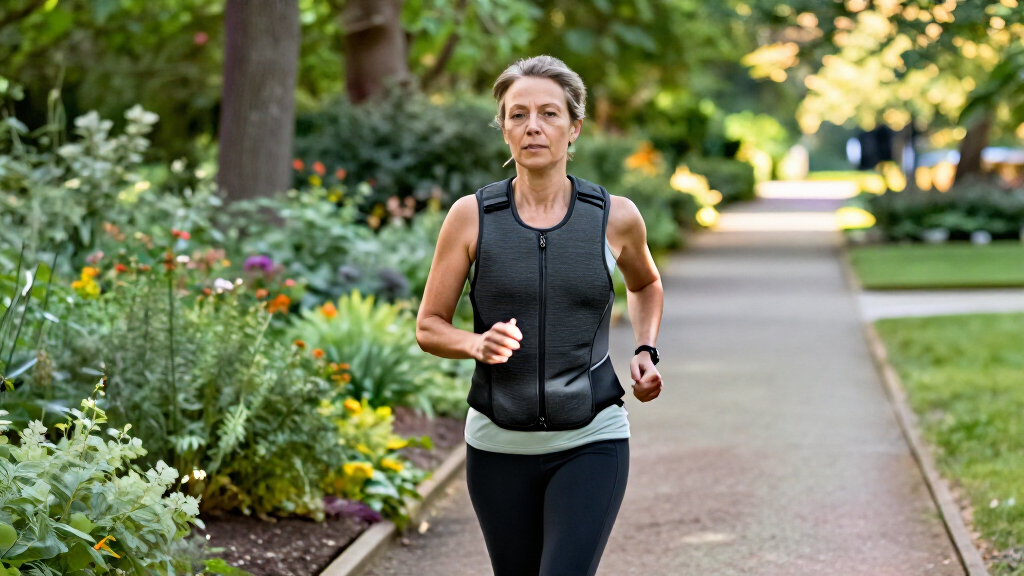
The writer tested a 6-pound G-Vest Run and a 10-pound G-Vest Icon, made by U.S. brand OMORPHO, while preparing for a marathon. He wore the vests across workouts for 30 days. He later said he had made sessions harder in several ways at once, combining the vest’s added load with changes to distance, pace or frequency. He reported knee swelling and that his fitness plateaued.
Haywood, a lead instructor at London health club chain Third Space, advises beginning with a load of no more than 5% of body weight and increasing gradually if technique remains sound. For running, the writer says he would personally start lower, at 1% to 2% of body weight; that is his suggested approach, not a universal standard established by the report. He also recommends increases of no more than 2 pounds at a time.
Haywood cautions against using a vest that is too heavy or worn incorrectly, saying it can add strain to the knees, hips and ankles and affect form. The report’s writer found the vest more useful during bodyweight exercises such as push-ups, dips and pull-ups, where he could add resistance without increasing repetitions. Haywood’s guidance is to establish sound movement patterns before adding load.
Safer Ways to Add Vest Load
The report highlights a practical training issue: a weighted vest adds demand to an exercise, but combining it with increases in distance, speed or workout frequency can make it difficult to tell how the body is responding. The writer attributes his knee swelling and plateau to raising multiple variables during marathon preparation. His experience is an individual account, not evidence that weighted vests cause the same outcome for everyone.
For readers considering a vest, the central takeaway is to treat it as an added training load rather than a shortcut. Starting with a manageable weight, keeping movement controlled and changing one training variable at a time may help users monitor comfort and technique. Pain or joint discomfort is a reason to reduce the load or stop and seek advice from a qualified trainer or physiotherapist.
As an affiliate, we earn on qualifying purchases.
How the Trial Went Off Track
Weighted vests have drawn attention among athletes and fitness influencers, while load-bearing exercise is commonly discussed in relation to maintaining strength and supporting bone health as people age. The Fit&Well report, however, is a personal test and training-advice piece. It does not present a study measuring changes in muscle mass or bone density.
The writer says he began using the vests during marathon training and wore them across different workouts. He initially expected the added weight to be manageable during slower, longer runs, but described a 14-mile outing that ended at 12.5 miles. He then reflected that he had raised several demands together instead of holding his usual pace and distance steady while testing the vest.
Haywood suggests trying a 15- to 20-minute brisk treadmill walk as a starting session. If that feels comfortable, the report suggests adjusting one feature at a time, such as adding a 1% incline. These are recommendations attributed to Haywood in the article, not a formal exercise prescription for every person.
“The general recommendation, like with most resistance training, is to start light and gradually build up as strength and comfort with the vest improve.”
— Holly Haywood, lead instructor at Third Space, as quoted by Fit&Well
Evidence Beyond One Person’s Trial
The report does not establish that weighted vests preserve muscle or bone density, nor does it compare outcomes between vest users and people exercising without one. It offers an individual account and trainer guidance, rather than results from a clinical or controlled study. The size and duration of any potential effects on muscle or bone are not addressed.
It is also unclear whether the writer’s knee swelling resulted primarily from the vest, increased mileage, changes in pace or frequency, or the combination of those factors. The report does not give medical findings, describe a diagnosis or provide follow-up measurements. Haywood’s suggested starting loads and treadmill progression are guidance attributed to her, not a guarantee of safety or benefit for every user.
Apply Changes One at a Time
The report offers no new study or scheduled research milestone. For people choosing to try a weighted vest, its practical advice is to begin with a light load, keep other training demands steady and check whether movement remains comfortable and controlled. Increase only one factor at a time, and reduce or remove the vest if joint discomfort or altered technique develops.
People with existing injuries, joint concerns or health conditions should seek guidance from a qualified health professional before adding load. Further evidence would be needed to determine whether weighted vests preserve muscle or bone density, for whom they may help, and what training programs and loads are appropriate.
Key Questions
Does this report prove weighted vests preserve muscle and bone density?
No. Fit&Well presents a writer’s personal trial and trainer advice, not a controlled study measuring muscle or bone-density changes.
How heavy should a beginner’s vest be?
Haywood recommends starting at no more than 5% of body weight and progressing gradually if technique stays sound. The report’s writer suggests starting at 1% to 2% for running, but that is his personal recommendation, not a universal rule.
Should people wear a weighted vest on long runs?
The writer advises against long runs and long walks with a vest, based on his experience. Haywood warns that excessive or incorrect loading can strain joints and affect form. The report does not provide research comparing long runs with other vest workouts.
What should someone do if the vest causes joint discomfort?
Haywood advises switching to a lighter vest or removing it. Anyone with ongoing pain, an injury or a pre-existing condition should consult a qualified health professional.
Source: rss
Halloween Picks
halloween
As an affiliate, we earn on qualifying purchases.