Essential oils are concentrated extracts from plants that capture their natural fragrances and therapeutic benefits. You can use them in aromatherapy to boost your mood, relieve stress, or improve sleep quality. Common methods of extraction include steam distillation and cold pressing, which help preserve their potency. Remember to dilute them with carrier oils before applying to your skin. Understanding their uses and benefits can enhance your wellness routine, so keep exploring to discover more!
Key Takeaways
- Essential oils are concentrated plant extracts that capture natural fragrances and therapeutic benefits, primarily used in aromatherapy.
- Common extraction methods include steam distillation, cold pressing, and solvent extraction, ensuring the purity of essential oils.
- Essential oils can promote physical and emotional well-being, aiding in stress relief, improved sleep, and increased energy.
- They should be diluted with carrier oils for skin application to prevent irritation and ensure safety.
- Incorporating essential oils into daily routines enhances wellness and personalizes aromatherapy experiences.

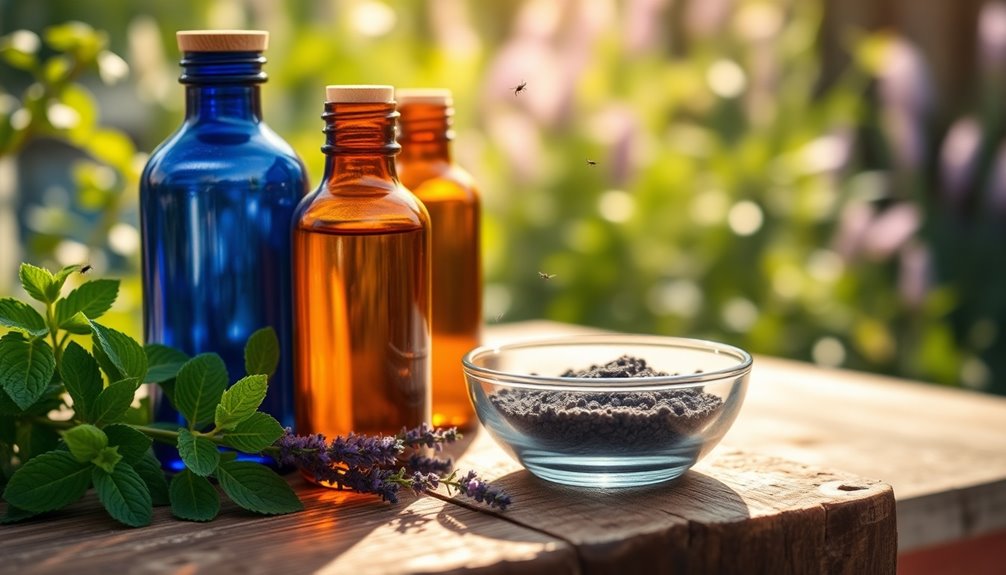
Have you ever wondered how a few drops of essential oils can transform your mood or enhance your wellness? Essential oils are concentrated plant extracts that capture the natural fragrance and beneficial properties of the source plants. They’re commonly used in aromatherapy, a practice that harnesses the scents and compounds of these oils to promote physical and emotional well-being. When you inhale the aroma or apply the oils to your skin, you’re not just enjoying a pleasant scent; you’re tapping into the myriad aromatherapy benefits that these oils offer.
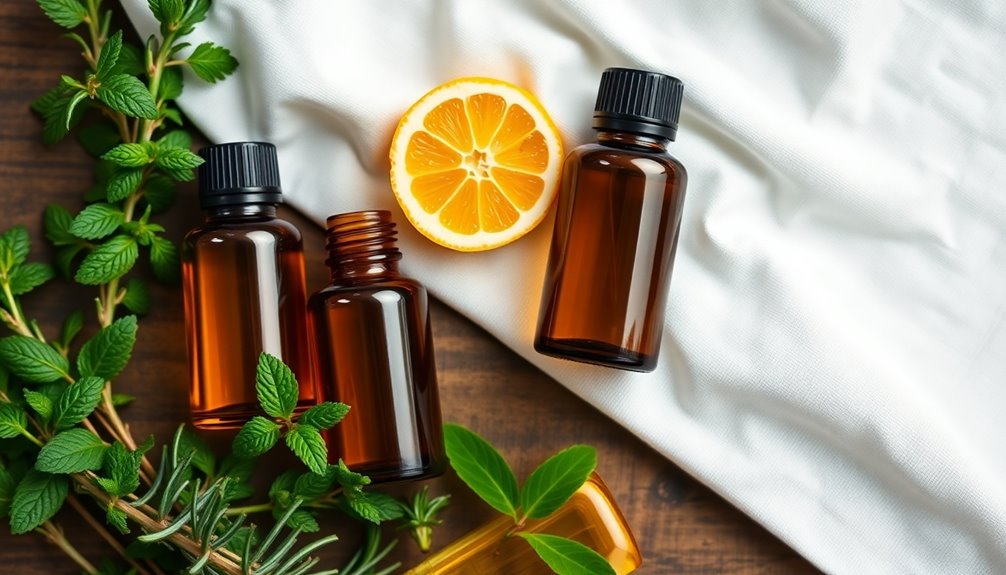
To get a clearer picture of essential oils, it’s important to understand how they’re made. Plant extraction methods are vital in ensuring that you receive the purest and most potent oils. The most common extraction methods include steam distillation, cold pressing, and solvent extraction. Each technique has its own advantages and is suited to different types of plants. For example, steam distillation is often used for flowers and leaves, while cold pressing is typically reserved for citrus peels. By using these methods, manufacturers can preserve the beneficial compounds that contribute to the oils’ therapeutic properties.
Once extracted, essential oils can be used in a variety of ways. You might diffuse them in your home to create a calming atmosphere or add a few drops to your bath for a relaxing soak. Many people find that certain oils help alleviate stress, improve sleep quality, or boost their energy levels. For instance, lavender oil is renowned for its calming effects, while peppermint oil can invigorate your senses and enhance focus. The versatility of these oils makes them a popular choice for anyone looking to enhance their daily wellness routine. Additionally, integration of AI in wellness technology is becoming more prevalent, helping users personalize their aromatherapy experiences.
When using essential oils, it’s important to remember that they’re highly concentrated. A little goes a long way, so you should always dilute them with a carrier oil before applying them to your skin. This not only prevents irritation but also guarantees that you get the most out of their benefits. You might even want to explore creating your own blends tailored to your specific needs and preferences.
Incorporating essential oils into your life can be a rewarding experience. Whether you’re seeking relaxation, energy, or relief from discomfort, there’s likely an oil that can help. By understanding the extraction methods and potential aromatherapy benefits, you’ll be better equipped to choose and use essential oils effectively, making them a valuable addition to your wellness toolkit.

MAYJAM Tea Tree 20 Pcs Pure Essential Oil Gift Set, for Diffuser, Humidifiers, Skin Care, Massage, Fragrance Oil Scent for DIY Candle and Soap Making, Gift for Friend (5ML)
Wonderful Scent: Our essential oils are highly concentrated liquids that are derived from flowers, leaves, and other plant…
As an affiliate, we earn on qualifying purchases.
As an affiliate, we earn on qualifying purchases.
Frequently Asked Questions
Can Essential Oils Be Ingested Safely?
Essential oils can be ingested safely, but you must follow strict internal safety guidelines. Always make sure to dilute them properly; using a carrier oil or mixing them with food can help minimize risks. Not all essential oils are safe for consumption, so you should research each one thoroughly before trying it. Consulting with a healthcare professional is a smart move to guarantee you’re using them safely and effectively.
How Do I Choose Quality Essential Oils?
To choose quality essential oils, look for products that specify their botanical extraction methods, ensuring they’re derived from high-quality plants. Check if they meet purity standards, like being 100% pure and free from synthetic additives. Research reputable brands and read customer reviews to gauge their reliability. It’s also wise to ask for third-party testing results, as this can confirm the oil’s authenticity and overall quality. Trust your instincts and prioritize transparency.
Are Essential Oils Safe for Pets?
You’ll want to tread carefully when it comes to essential oils and your furry friends. While they can bring a lovely aroma to your home, pet safety is vital. Some oils, like tea tree and lavender, can raise toxicity concerns for pets. Always consult your vet before using any essential oils around them. Keeping your pets safe and sound should be your top priority, so know which oils to avoid.
Can Essential Oils Interact With Medications?
Yes, essential oils can interact with medications. If you’re using essential oils while on prescribed drugs, it’s vital to consult your healthcare provider first. Some oils might enhance or reduce the effectiveness of certain medications, leading to unexpected side effects. For example, oils like grapefruit can affect how your body metabolizes specific drugs. Always stay informed and cautious to make certain your health and well-being remain a priority when combining these substances.
How Should Essential Oils Be Stored?
You should store essential oils in dark glass storage containers to protect them from light and heat, which can degrade their quality. Keep them in a cool, dry place away from direct sunlight. When using diffusion methods, make certain the oils are properly sealed after each use to maintain their potency. Avoid plastic containers, as they can react negatively with the oils. Proper storage helps preserve their therapeutic benefits for longer periods.

Handcraft Blends Fractionated Coconut Oil – 16 Fl Oz – 100% Pure and Natural – Premium Grade Carrier Oil for Skin, Hair and Body – Massage – Hair Tonic
100% PURE & NATURAL FRACTIONATED COCONUT OIL – A versatile carrier oil used for aromatherapy, essential oils mixing,…
As an affiliate, we earn on qualifying purchases.
As an affiliate, we earn on qualifying purchases.
Conclusion
In conclusion, essential oils are like nature’s little powerhouses, offering a range of benefits from relaxation to revitalization. Whether you’re looking to elevate your mood or create a calming atmosphere, these oils can be your go-to solution, much like how a smartphone simplifies communication today. By exploring different oils and their uses, you can find the perfect blends to enhance your daily life. So, why not immerse yourself in the aromatic world of essential oils?

ASAKUKI Essential Oil Diffuser for Home, 500ML Aromatherapy Diffuser Humidifier with Remote Control, 7 Color LED Lights, Quiet Cool Mist Diffuser for Bedroom, Living Room, Office (Yellow)
5-IN-1 AROMATHERAPY DEVICE: This ultrasonic essential oil diffuser is an amazing multi-functional aromatherapy device unlike any other you've…
As an affiliate, we earn on qualifying purchases.
As an affiliate, we earn on qualifying purchases.

Majestic Pure Essential Oil with Glass Dropper – 100% Pure and Natural – Essential Oils for Diffuser, Aromatherapy, Soap and Candle Making, Lavender Essential Oil, Lavender Oil, 4 Fl Oz
100% PURE & NATURAL LAVENDER OIL – Majestic Pure Blends oils are exactly that! Many oils being sold…
As an affiliate, we earn on qualifying purchases.
As an affiliate, we earn on qualifying purchases.