
When choosing between top-fill and bottom-fill diffusers, consider what suits your lifestyle best. Top-fill models let you quickly add water without much hassle, making refills easier and simpler to clean. Bottom-fill diffusers offer a sealed design, reducing evaporation and needing less frequent maintenance. Think about whether you prioritize convenience or water stability. Keep exploring — you’ll find more tips to help you decide which type fits your needs best.
Key Takeaways
- Top-fill diffusers allow easy, quick refilling through a wide opening, ideal for frequent use and minimal fuss.
- Bottom-fill diffusers feature sealed reservoirs accessed from the base, offering better stability and reduced evaporation.
- Top-fill models are easier to clean due to accessible openings, while bottom-fill units require less frequent maintenance.
- Bottom-fill diffusers typically have a more durable, utilitarian design, whereas top-fill models emphasize aesthetic convenience.
- The choice depends on user preference for convenience and quick refills versus stability and reduced evaporation.

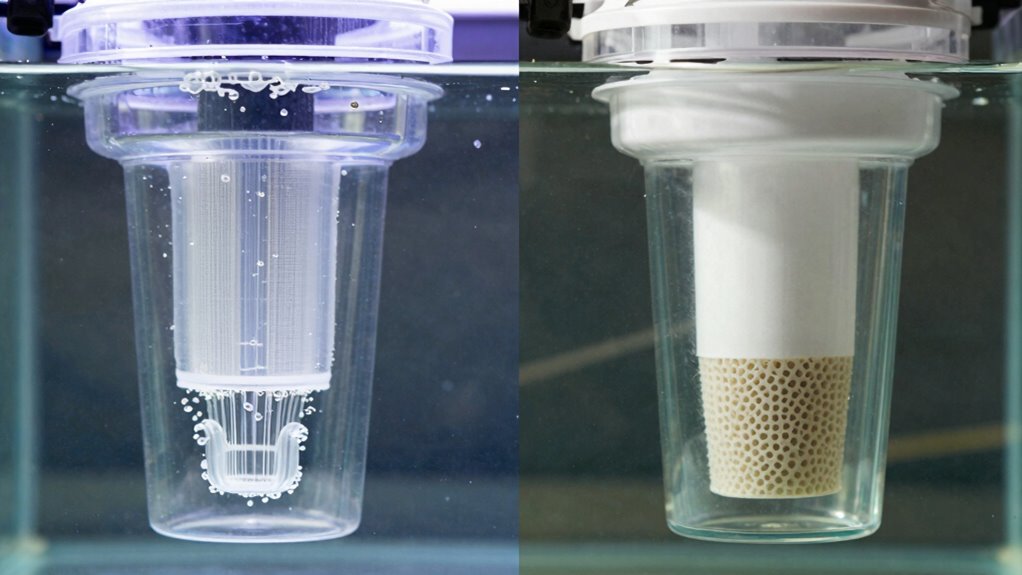
When choosing between top-fill and bottom-fill systems, understanding their differences can help you make an informed decision. The key lies in their diffuser design and filling mechanisms, which directly influence ease of use, maintenance, and overall convenience. Top-fill diffusers feature an opening at the top, allowing you to add water or essential oils directly from above. This design simplifies the filling process, especially if the diffuser has a wide opening, making it easier to pour in liquids without spills. Plus, since the filling is done from the top, you don’t need to remove the entire cover or lid, saving time and reducing mess. On the other hand, bottom-fill diffusers have a reservoir that is accessed from the base, often requiring you to remove the entire unit or a specific compartment to refill. While this might seem less convenient at first glance, it offers a sealed diffuser design that minimizes evaporation and keeps dust or debris out of the water. Additionally, some models include automatic shut-off features that help prevent overfilling or damage.
The filling mechanisms of these diffusers also vary. Top-fill models usually incorporate a wide opening, which not only makes filling straightforward but also simplifies cleaning, as you can easily reach inside to wipe or scrub if needed. This design appeals to those who prioritize quick refills and minimal fuss. Bottom-fill diffusers typically use a removable water tank or cartridge, which you lift out for refilling. This approach can be more secure, preventing accidental spills during use, but it might require more effort to access the water chamber. If you tend to fill your diffuser frequently or prefer quick, one-handed refills, a top-fill diffuser might be more suitable. Conversely, if you value a more sealed unit that keeps the water stable and reduces evaporation, a bottom-fill system could be advantageous.
Another aspect to consider is the diffuser’s diffuser design itself. Some top-fill models are designed with a sleek, modern look, emphasizing aesthetics and ease of access. Bottom-fill models often have a more utilitarian appearance but excel in durability and stability. While top-fill diffusers are generally more user-friendly for daily refilling, they may require more frequent attention to keep the opening clean. Bottom-fill diffusers, with their sealed reservoirs, tend to be lower maintenance in that regard but might be slightly more cumbersome when it comes to initial setup or cleaning. Ultimately, your choice depends on how often you plan to refill, your preference for maintenance, and whether you prioritize convenience or sealed design. Knowing these differences can help you select the diffuser that best fits your lifestyle and preferences.
Frequently Asked Questions
Which Fill Method Is More Environmentally Friendly?
You’ll find that bottom-fill diffusers are more eco-friendly because they promote better material sustainability and reduce waste. Since you don’t need to replace the entire unit as often, you save resources and minimize environmental impact. The eco-friendliness comparison favors bottom-fill models, especially if you choose sustainable materials. By opting for this method, you help conserve resources and support eco-conscious choices, making it a smarter, greener option overall.
How Do Fill Methods Impact Diffuser Lifespan?
You’ll notice that fill methods affect diffuser lifespan mainly through airflow efficiency and installation costs. Top-fill diffusers often provide better airflow, reducing strain on components and extending their lifespan. Meanwhile, bottom-fill options might have higher installation costs but can be easier to maintain, potentially preventing damage over time. Choosing the right method depends on balancing airflow needs with the durability of your diffuser, ultimately impacting how long it lasts.
Are There Specific Applications Better Suited for Each Fill Type?
Think of your diffuser as a tool for a specific job; top-fill models excel in larger ponds with good water quality because they’re easy to maintain and refill. Bottom-fill diffusers work better in deep or contaminated water where installation ease is vital, preventing debris buildup. For instance, if you manage a koi pond, bottom-fill may suit your needs better, making maintenance simpler and more efficient.
Can You Convert a Top-Fill Diffuser to Bottom-Fill?
Yes, you can convert a top-fill diffuser to bottom-fill through fill conversion and diffuser modification. You’ll need to modify the fill inlet and possibly adjust internal components to accommodate bottom-fill operation. This process involves resealing or replacing parts to guarantee proper flow and prevent leaks. Keep in mind, professional assistance is recommended to ensure safety and ideal performance during the diffuser modification.
What Maintenance Differences Exist Between the Two Fill Methods?
You’ll find that maintenance differs mainly in water flow and air distribution. Top-fill diffusers often require regular cleaning of the water reservoir and checking for blockages, while bottom-fill models need you to inspect the water inlet and ensure proper drainage. Both demand occasional filter cleaning to maintain ideal air distribution, but bottom-fill units tend to be easier to access, making routine maintenance slightly more straightforward.
Conclusion
In the end, choosing between top-fill and bottom-fill diffusers depends on your preferences. Did you know that 65% of users find top-fill diffusers easier to refill without spills? If convenience matters most, a top-fill might be your best bet. But if you prefer a sleek look and less frequent refills, bottom-fill models could suit you better. Either way, understanding these differences helps you make an informed decision for your space.