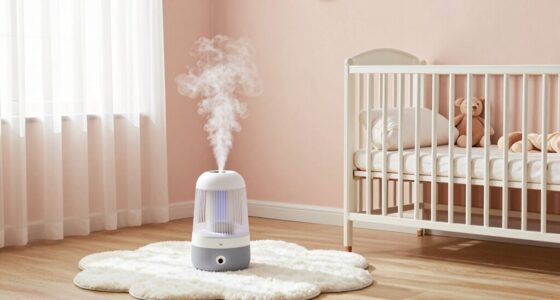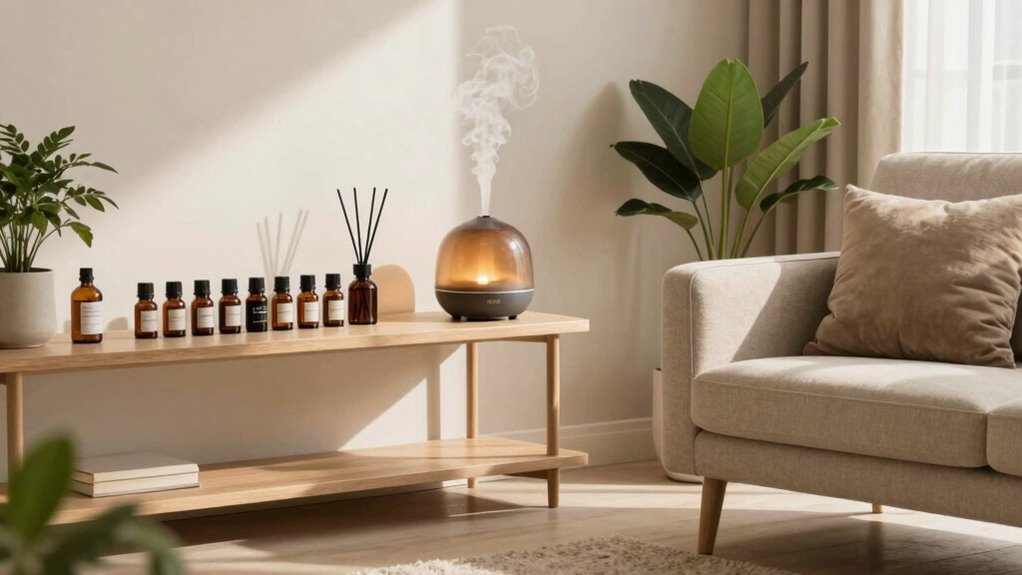

Using one essential oil throughout your home is possible, but it limits the benefits tailored to each space. Different rooms serve different needs, so a single oil might not create the desired atmosphere everywhere. For example, lavender relaxes in bedrooms, while citrus energizes kitchens. While it simplifies your routine, exploring various oils can enhance your environment. If you want to discover how to optimize your home’s scent setup, keep exploring the options available.
Key Takeaways
- Using one oil throughout the home limits tailored therapeutic benefits for different room functions.
- Different rooms may require specific oils to enhance relaxation, focus, or energy.
- Compatibility with diffuser type and oil properties affects effectiveness and safety.
- Blending oils tailored to each space creates a more personalized and effective aromatherapy experience.
- Safety considerations and personal preferences influence whether a single oil or multiple oils are best.
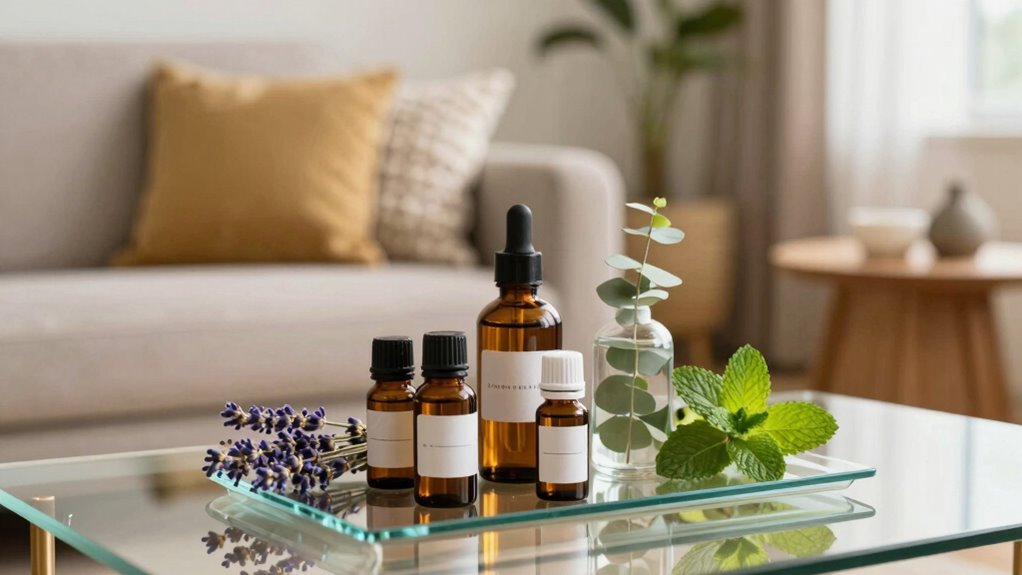
Many people wonder if they can use a single type of oil throughout their entire home, and the answer depends on several factors. While it might seem convenient to stick with one oil, the variety of essential oil blends and different oil diffuser types can influence whether that’s a good idea. The truth is, using just one oil may limit the therapeutic benefits and sensory experience you get from your home’s aroma. Different rooms serve different purposes, and so should your choice of oils. For example, lavender is perfect for relaxation in bedrooms, while citrus oils like orange or lemon can energize your kitchen or workspace.
Choosing different oils for each room enhances your home’s aroma and therapeutic benefits.
When it comes to essential oil blends, mixing different oils tailored to specific needs can enhance their effects. You might prefer a calming blend for your bedroom and a revitalizing one for your home office. Sticking with one oil across all rooms might seem simple, but it could also mean missing out on the benefits of aromatherapy and the unique benefits each space requires. Additionally, understanding the various oil diffuser types is vital. Ultrasonic diffusers are popular because they use water and produce a fine mist, but some oils can clog or damage certain diffuser types if they are too thick or contain carrier oils. Heat diffusers, on the other hand, warm the oil, which can change its properties or even cause it to burn if not used carefully. Being aware of your diffuser’s specific characteristics can help prevent damage and ensure optimal diffusion. Moreover, considering the proper care and maintenance of your diffuser can extend its lifespan and maintain its performance.
Using one oil in every room isn’t impossible, but it’s not always the most effective approach. If you prefer simplicity, choose an all-purpose oil like eucalyptus or peppermint, which can be invigorating and versatile. However, if you want to maximize the benefits of aromatherapy, you should consider selecting different oils or blends based on each room’s purpose. For example, a blend with chamomile or ylang-ylang in the bedroom promotes relaxation, while peppermint or spearmint in the kitchen can energize and improve focus. Additionally, being aware of the diffuser type you have can help you select the most suitable oils to avoid potential damage or reduced effectiveness. Understanding the essential oil properties can also guide you in choosing the right oils for each setting. Recognizing the safety precautions associated with diffusing certain oils is equally important to ensure a safe and enjoyable experience.
Ultimately, your choice depends on your preferences, the diffuser type you have, and the atmosphere you want to create. Using different essential oil blends allows you to tailor your environment, creating a more personalized and effective aromatherapy experience. While one oil might work in a pinch, exploring various oils and diffuser types ensures that every room in your home feels just right, whether you seek calm, energy, or revitalization.

ASAKUKI Essential Oil Diffuser for Home, 500ML Aromatherapy Humidifier
- Multi-Functional Aromatherapy Device: Includes 500ml tank, LED lights, modes, remote
- Ultra-Quiet Operation: Noise level below 23 dB for peaceful use
- Remote Control Convenience: Control from 16.5 feet, adjust modes and timers
As an affiliate, we earn on qualifying purchases.
As an affiliate, we earn on qualifying purchases.
Frequently Asked Questions
Are Certain Oils Better for Specific Rooms or Purposes?
Yes, certain oils are better suited for specific rooms or purposes. For example, lavender works well in bedrooms for relaxation, while citrus oils energize kitchens. To maintain scent consistency, you might layer oils or switch them based on your mood or needs. Oil layering allows you to blend fragrances, enhancing the atmosphere. Choose oils intentionally for each space to create a balanced, inviting environment tailored to its function.
How Often Should I Replace or Refresh the Oil in Each Room?
You should revitalize your oils every 1 to 2 months for ideal scent longevity. An interesting stat shows that scented oils lose about 50% of their potency after just four weeks. When replacing, guarantee proper oil storage—keep bottles in a cool, dark place to preserve their quality. Regularly renewing your oils maintains a fresh scent, prevents evaporation, and maximizes their aromatic benefits in each room.
Can Using One Oil Cause Allergies or Sensitivities?
Using one oil can cause allergies or sensitivities if you’re prone to oil allergies or sensitivity reactions. You might experience symptoms like sneezing, headaches, or skin irritation. It’s important to test the oil in a small area first and choose high-quality, pure oils to reduce risks. If you notice adverse reactions, stop using the oil and consult a healthcare professional. Being cautious helps prevent unwanted allergy or sensitivity reactions.
Is It Safe to Use Essential Oils Around Pets and Children?
Using essential oils around pets and children can be risky if you’re not careful. You should prioritize pet safety and child safety by avoiding direct application and ensuring good ventilation. Keep oils out of reach and dilute them properly. Always research specific oils, as some are toxic to pets or children. When in doubt, consult a veterinarian or healthcare professional to prevent potential allergic reactions or sensitivities.
What Are the Signs That an Oil Is No Longer Effective?
You’ll notice an oil is no longer effective if the scent diminishes or disappears altogether. Proper oil storage in a cool, dark place helps maintain scent longevity, preventing sunlight or heat from breaking down the oils. If your oil’s aroma fades quickly or seems weaker than before, it’s a sign to substitute it. Storing oils correctly ensures they stay fresh longer, keeping your space fragrant and inviting.
Conclusion
While it might seem tempting to use just one oil in every room, think of it like trying to fit a square peg into a round hole—each space has its own needs. Using different oils tailored to each room’s purpose guarantees your home smells inviting and stays healthy. Don’t paint your entire house with one brush; instead, treat each room like a unique canvas, choosing the perfect oil to bring out its best features.