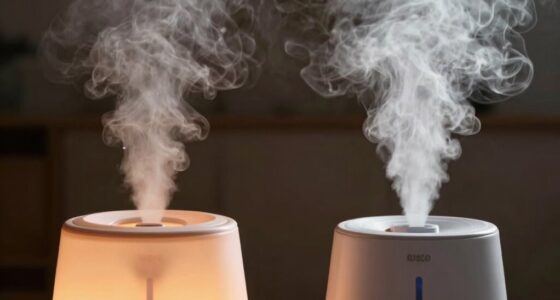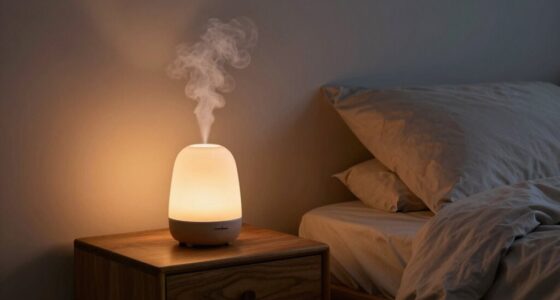
To feel comfortable and healthy year-round, aim for an indoor humidity between 40-60%. During winter, keep it around 40-50% to prevent dry skin and respiratory issues. In summer, slightly higher levels of 50-60% help curb mold and dust mites. If you want to learn how seasonal changes affect your ideal humidity and how to maintain it, there’s more to discover that can help improve your home environment.
Key Takeaways
- Maintain indoor humidity between 40-60% year-round for optimal comfort and air quality.
- During winter, aim for 40-50% to prevent dry skin and respiratory irritation.
- In summer, keep humidity around 50-60% to reduce mold growth and dust mites.
- Use humidifiers in dry seasons and dehumidifiers or fans in humid months to regulate levels.
- Regularly monitor humidity with a hygrometer to ensure it stays within the ideal seasonal ranges.
Maintaining the right indoor humidity level is essential for comfort and health, especially as seasons change. When your home’s humidity is properly balanced, you can breathe easier, reduce allergy symptoms, and even protect your furniture and belongings. One effective way to support this balance is by understanding the benefits of an air purifier. Many air purifiers come with features that not only filter out airborne pollutants but also help regulate humidity levels. This dual function improves overall air quality and minimizes issues like mold growth and dust mites, which thrive in overly humid environments.
Balanced indoor humidity improves comfort, health, and protects belongings with air purifiers that filter pollutants and regulate moisture.
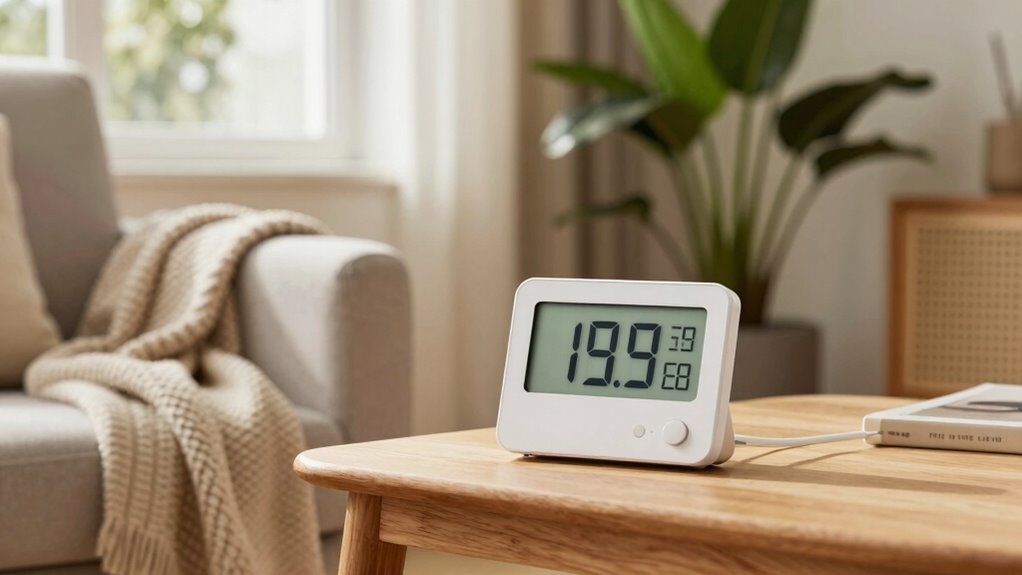
To keep your indoor humidity within the ideal range, it’s helpful to follow some humidity control tips. First, invest in a good hygrometer—this device will give you a clear reading of your current humidity levels. During colder months, when indoor heating can dry out the air, you might find your humidity dropping below 30%. Using a humidifier can help bring the level back into the comfortable range of 40-60%. Conversely, in humid summers, fans or dehumidifiers are useful to keep moisture from becoming excessive.
Incorporating an air purifier benefits your home beyond just removing airborne irritants. Many models now include ionizers or humidifying features that add moisture to the air, helping to stabilize humidity levels naturally. When properly used, these devices can prevent the dry, crackly skin and irritated sinuses often caused by overly dry indoor air. They also reduce airborne allergens like pollen, pet dander, and mold spores, which tend to flourish in humid conditions.
Additionally, managing humidity isn’t just about using appliances; simple habits can make a difference. For example, always use exhaust fans in kitchens and bathrooms to vent excess moisture outside. Keep indoor plants in check, as overwatering can increase humidity unnecessarily. When it’s particularly dry outside, placing bowls of water near heat sources can add some moisture, but be cautious not to overdo it. Properly controlling indoor humidity helps prevent the growth of mold and other indoor pollutants, creating a healthier living environment.
Frequently Asked Questions
How Can I Measure Indoor Humidity Accurately at Home?
To measure indoor humidity accurately, you should use a reliable indoor humidity sensor, like a hygrometer. Make sure your hygrometer is properly calibrated regularly, following the manufacturer’s instructions, to maintain accuracy. Place the device in a central location away from drafts or direct sunlight. This way, you’ll get precise readings, helping you maintain comfortable humidity levels year-round and making adjustments as needed for ideal indoor air quality.
What Are the Health Risks of Incorrect Humidity Levels Indoors?
Incorrect indoor humidity levels can pose health risks like airborne mold, which triggers allergies and asthma, and skin dryness, causing irritation. If humidity is too high, mold thrives, increasing respiratory issues. Too low, and your skin becomes dry, itchy, and uncomfortable. Maintaining proper humidity helps reduce airborne mold growth and keeps your skin hydrated, supporting overall health. Regularly monitor and adjust humidity levels to create a safer, more comfortable indoor environment.
Can Adjusting Humidity Help Improve Allergy Symptoms?
Adjusting humidity can dramatically improve your allergy symptoms—think of it as turning down the volume on your allergy chaos. When you keep humidity levels around 40-50%, it drastically reduces mold growth and dust mites, two major allergy culprits. By controlling moisture, you create an environment that’s less hospitable to these allergens, helping you breathe easier, sleep better, and feel less overwhelmed by allergy symptoms.
How Do Seasonal Changes Affect Indoor Humidity Naturally?
Seasonal changes naturally affect your indoor climate by altering seasonal moisture levels. In winter, cold air reduces indoor humidity, making spaces dry, while summer often brings higher moisture due to increased outdoor humidity. You can counteract these fluctuations by using humidifiers or dehumidifiers, helping you maintain a comfortable indoor climate year-round. Managing seasonal moisture guarantees better comfort, healthier air quality, and can even alleviate allergy symptoms.
What Are Effective Methods to Maintain Ideal Humidity Year-Round?
Imagine your home as a delicate dance of air, where maintaining ideal humidity keeps everyone comfortable. To do this year-round, you should regularly maintain your humidifier, ensuring it functions properly, and choose the right dehumidifier for your space. Adjust settings seasonally, and monitor humidity levels with a hygrometer. These simple steps create a balanced environment, preventing dryness or excess moisture, so you stay cozy no matter the weather.
Conclusion
Just like Goldilocks finding the porridge that’s just right, maintaining the ideal indoor humidity keeps your home cozy and healthy. By adjusting your humidity levels seasonally, you create a haven that wards off discomfort and keeps nature’s chaos outside. Think of it as your personal fairy tale—balancing comfort and well-being effortlessly. So, embrace these seasonal tips and transform your space into a sanctuary where every breath feels just right.