AIThis post was created with the assistance of artificial intelligence (AI).

TL;DR

An ultrasonic essential oil diffuser uses a vibrating plate to turn water and a small amount of oil into a fine mist; it does not release pure oil or reliably control room humidity. Start with the amount of oil and water your manual recommends, ventilate the room, clean and dry the reservoir after use, and use extra caution around pets and people sensitive to fragrance.

A little fragrance can change the feel of a room, but an ultrasonic diffuser does more than warm a scented oil: it sends a fine water-and-oil mist into the air. That distinction affects where you place it, how much oil you add, and what you can reasonably expect from it. This guide explains how ultrasonic essential oil diffusers work, how they compare with other diffuser types, and how to use and clean one. You’ll also get practical guidance on room coverage, pets, ventilation, and common troubleshooting, so you can decide whether one fits your home routine.
At a glance
Ultrasonic Essential Oil Diffusers: How They Work
Key insight
Ultrasonic diffusers release a water-and-oil mist, so their moisture output may slightly raise humidity, but they are designed for fragrance rather than dependable humidity control.
Key takeaways
1

Ultrasonic diffusers use vibration to disperse a fine mist of water and oil; the mist is not pure essential oil.

2

Start with the oil amount in your manual and label, since extra oil can make the fragrance irritating.

3

Room size, airflow, and layout affect scent, so advertised coverage is an estimate.

4

Empty and dry the reservoir after use, and follow the manufacturer’s water and cleaning directions.

5

Use caution around pets and people sensitive to fragrance, and stop if anyone develops irritation.

Step by step
1
Clean the Reservoir So Old Oil Doesn’t Linger
Regular cleaning helps an ultrasonic diffuser keep misting and prevents old oil residue and standing water from lingering in the reservoir.
Before you orderOffer from Amazon

Get oils, diffusers and self-care delivered free with Prime

  • Fast, free delivery on millions of items
  • Prime Video, Amazon Music and more included
  • Member-only deals all year
Start your free Prime trial Free trial for eligible customers · Cancel anytime
As an affiliate, we earn on qualifying purchases.

How an Ultrasonic Diffuser Turns Water and Oil Into Mist

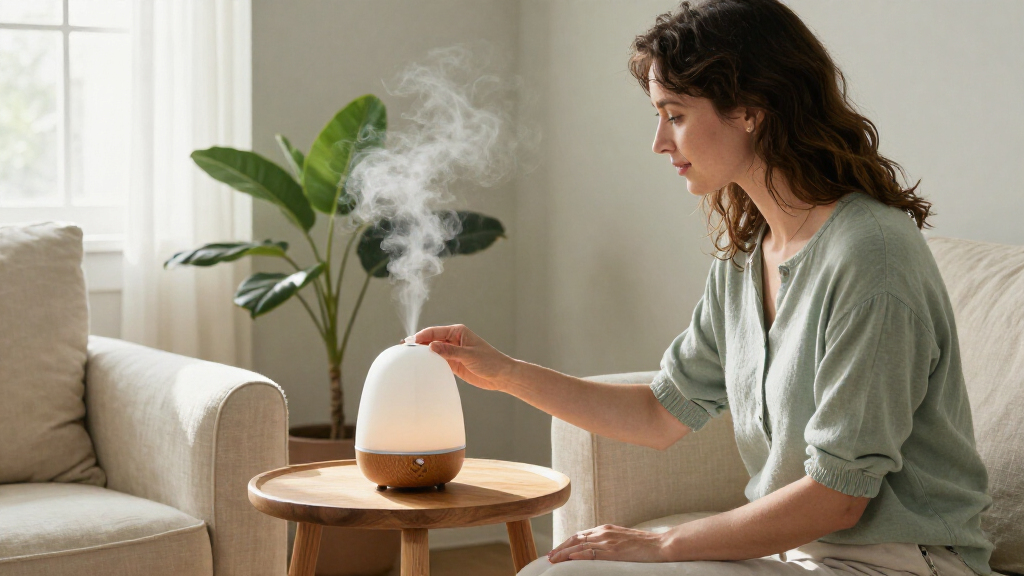
An ultrasonic essential oil diffuser uses a **small vibrating plate** to break a mixture of water and oil into a fine mist that escapes into the room. A fan or natural airflow carries that mist outward, giving you a noticeable scent without heating the oil. The visible cloud is **water and oil together**, not a stream of pure essential oil. Inside the base, the reservoir holds water and a few drops of oil. When you turn the device on, its plate vibrates at a high frequency; the movement helps form tiny droplets that rise above the reservoir. Imagine watching the mist curl over the rim of a ceramic bowl on your bedside table. The effect can feel soft and atmospheric, but the scent still depends on airflow, room size, and how much oil the manufacturer recommends. Many models add **timers, intermittent mist settings, lights, and automatic shutoff** when water runs low. Those features make operation more convenient; they don’t necessarily make the scent stronger or the device more effective. Follow the manual for the water level and liquids to use. Running an ultrasonic diffuser without water, or adding undiluted oil, can damage a unit designed for a water-based mixture.

Products Worth Considering

Oral-B iO Series 5 Rechargeable Electric Toothbrush with 5 Cleaning Modes, Travel Case, and 3 Brush Heads – Black

Oral-B iO Series 5 Rechargeable Electric Toothbrush with 5 Cleaning Modes, Travel Case, and 3 Brush Heads – Black

Withings BPM Connect Wi-Fi and Bluetooth Blood Pressure Monitor

Withings BPM Connect Wi-Fi and Bluetooth Blood Pressure Monitor

As an affiliate, we earn on qualifying purchases.

Choose the Diffuser Type That Fits Your Room and Routine

Ultrasonic diffusers mix water and oil into a cool mist, while nebulizing models disperse oil without water and heat diffusers warm the oil. The right fit depends on how strong a scent you want, whether you’re comfortable refilling a reservoir, and how much upkeep suits your routine. A small desk and a large open living room may call for different choices.
TypeWhat it releasesWhat to expect
UltrasonicA water-and-oil mistNeeds water and regular cleaning; releases some moisture
NebulizingOil without waterCan deliver a more concentrated fragrance; follow product instructions closely
HeatOil warmed by the deviceUses heat rather than an ultrasonic plate to disperse scent
For example, you might prefer an ultrasonic model on a living room shelf if you like a gentle scent and don’t mind emptying the reservoir. If you want a compact device for occasional fragrance, another type may suit you better. Check model instructions, since settings and maintenance differ. **A diffuser is not an air purifier**, and its mist does not establish that the room has been disinfected. Treat wellness language on packaging with care: enjoying a scent as part of a calming routine is different from using it to treat a health problem.

Get a Noticeable Scent Without Adding Too Much Oil

To get a comfortable fragrance, fill the reservoir as directed, begin with a small amount of oil, and adjust only within the limits on the labels. **More drops do not guarantee a better result**; a stronger scent can irritate some people and pets. Follow both the diffuser manual and the oil label, because there is no single dose that applies to every model or room.
  • Set the diffuser on a **stable, dry surface**, away from electronics, edges, and places where it could be knocked over.
  • Choose a **ventilated room** and make sure pets can leave it freely.
  • Start with a low or intermittent mist setting if your model offers one, then notice how the scent feels to everyone in the room.
  • Stop using it if anyone develops coughing, headache, nausea, or irritation.
Picture a small bedroom before bedtime: one person may find a few drops pleasantly subtle, while another may find the same scent too strong after the door closes. Try a shorter run or an intermittent setting rather than adding more oil. Use extra caution around babies, people with asthma or fragrance sensitivity, and anyone with respiratory concerns; seek appropriate professional guidance when needed. Keep oils and diffuser water away from children, and avoid contact with skin and eyes. **Natural does not mean harmless.**

Clean the Reservoir So Old Oil Doesn’t Linger

Regular cleaning helps an ultrasonic diffuser keep misting and prevents old oil residue and standing water from lingering in the reservoir. **Empty and dry the tank after use**, then clean it as the manufacturer directs. The right method can differ between models, so use the manual rather than guessing about cleaning products or which parts can get wet.
  1. Turn off and unplug the diffuser before cleaning it.
  2. Empty leftover water, then wipe the reservoir dry with a clean cloth.
  3. Remove visible oil residue using the method specified in the manual.
  4. Let the reservoir dry fully before storing it or filling it again.
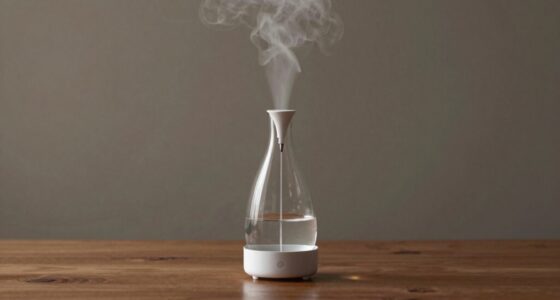
For example, if a diffuser on your desk has sat unused all weekend, check for leftover water and a slick film before switching it back on. Don’t pour water over the base or scrub the vibrating plate unless the instructions say to do so. **Water recommendations vary by brand**: some manufacturers specify tap water, while others recommend filtered or distilled water, particularly if mineral deposits are a problem. If the mist fades or sputters, residue or a clogged plate could be responsible, but incorrect setup or a damaged unit may also cause it. Check the manual before troubleshooting.

Set Realistic Expectations for Coverage and Humidity

An ultrasonic diffuser’s scent coverage depends on its **mist output, reservoir, ventilation, and room layout**, so advertised area figures work best as estimates. A diffuser may feel noticeable beside an armchair yet fade in a large open-plan space, where moving air spreads the scent. Furniture, open doors, and a running fan can change what you notice from one corner of the room to another. Try a simple comparison: run the device as directed in a smaller bedroom, then in a larger living room, using the same settings and amount of oil. You may notice a gentle scent in the bedroom but little change farther from the device in the living room. That difference doesn’t automatically mean the unit has failed. It may reflect the room and its airflow. The mist also adds **a little moisture to the air**, but most ultrasonic diffusers are made for fragrance, not dependable humidity control. Frequent use in a small or poorly ventilated room could contribute to dampness. If the room already feels humid, or you see moisture collecting on nearby surfaces, reduce use and improve ventilation. Follow the maker’s guidance on run time; no single schedule suits every device or home.

Use Extra Caution Around Pets and Sensitive People

An essential oil diffuser is **not automatically safe for every person or pet**, because sensitivity varies and some animals can react to airborne fragrance. Cats and birds may need particular caution; ask a veterinarian about a specific animal or oil, and give pets a clear way to leave the room. A pet that can’t get away from the scent has no choice about how long it stays nearby. Use the same care with people who have asthma, respiratory concerns, or fragrance sensitivity. Ask them what feels safe, keep the room ventilated, and stop the diffuser if anyone feels unwell. For instance, if your bird’s cage sits in a small room with a diffuser, move the diffuser out rather than relying on an open window or a short timer to make the setup suitable. **A pleasant aroma is not a medical treatment.** Some people enjoy scent as part of a relaxing routine, but claims that a diffuser treats illness, clears congestion, purifies air, or improves sleep should be approached cautiously. Evidence for many such claims is limited. If you have a health condition or a safety concern, ask a relevant health professional for guidance instead of relying on fragrance.

Key Takeaways for a Calmer, Cleaner Diffuser Routine

A good ultrasonic diffuser routine is simple: use the device as its maker directs, keep the scent comfortable for everyone nearby, and clean out the reservoir after use. The **key facts for choosing and using one** are practical ones: it makes a water-and-oil mist, coverage varies with the room, and a small vibrating plate needs regular care to work well. If you’re comparing devices, think about where yours will sit. A compact unit for a bedroom has different demands from a larger reservoir intended for an open living area. Recent product features such as app or voice control, schedules, adjustable mist, quieter operation, and decorative lighting can make a device easier to use. They don’t guarantee better scent performance, so check the operating instructions and actual reservoir requirements before buying. Before the first run, read the manual and decide where the mist can disperse without reaching electronics or delicate surfaces. After a few uses, notice how the scent feels at different distances and whether anyone in the home reacts to it. **Keep oils out of reach**, let pets leave, and clean and dry the reservoir. That routine makes the device easier to use without asking it to do more than fragrance and modest moisture.

Frequently Asked Questions

How many drops of oil should I use in an ultrasonic diffuser?

Follow your diffuser manual and the oil label, since reservoir sizes and product directions vary. Start with a small amount and add only if the scent feels too faint and the instructions allow it. A stronger fragrance can irritate some people and pets.

Can I use an ultrasonic diffuser without water?

Usually not. Ultrasonic models are designed to disperse a water-and-oil mixture, and running one dry or adding undiluted oil may damage it. Check your manual before filling or operating the unit.

Can I use tap water in my diffuser?

It depends on the manufacturer and your local water quality. Some brands specify tap water; others recommend filtered or distilled water, especially if mineral deposits build up. Follow your model’s instructions.

Does an ultrasonic diffuser work as a humidifier?

It releases some moisture along with the scent, but most models are designed for fragrance rather than dependable humidity control. Frequent use in a small, poorly ventilated room can contribute to dampness, so watch the room and adjust use as needed.

Is an ultrasonic diffuser safe around pets or people with asthma?

Not automatically: sensitivity varies, and some pets, including cats and birds, may react to airborne fragrances. Ventilate the room, make sure pets can leave, and ask a veterinarian about a specific animal or oil. For asthma or other respiratory concerns, seek professional guidance and stop use if irritation develops.

Conclusion

Treat an ultrasonic diffuser as a fragrance device that also releases a little moisture. Start with the manual’s directions, use a modest amount of oil, and pay attention to how the scent feels in your actual room. Keep the reservoir clean, ventilate the space, and let pets and sensitive people avoid the mist. A well-used diffuser should fit quietly into your routine, like a small lamp glowing beside a chair: pleasant when you want it, easy to switch off when you don’t.
Wellness content on this site is informational and not a substitute for professional medical guidance.
You May Also Like

Nebulizing Diffuser Explained: The Mist‑Free Method People Don’t Understand

Meticulously designed for pure, potent aromatherapy, nebulizing diffusers offer a mist-free method that many still don’t fully understand—discover why it’s revolutionary.

Ultrasonic Diffusers Have a Hidden Part: Ultrasonic Diffuser Piezo Plate Basics

The tiny but vital piezo plate in ultrasonic diffusers transforms electrical signals into aromatic mist; discover how to keep it in top shape.

Why so Many People Switch to a Waterless Essential Oil Diffuser

Loving the potent, mess-free aromatherapy, many are switching to waterless diffusers—discover why this simple change could transform your wellness routine.

Maximize Air Freshener Lifespan – Best Tips Revealed

Compare plug-in warmers, refills, and starter kits, then learn how placement, settings, and room conditions can help air fresheners last longer.