
If you’re looking to improve indoor air quality, open your windows when the weather’s nice. Natural ventilation brings in fresh air, reduces odors, and creates a chemical-free environment. However, if you need a quick fix or the weather isn’t cooperating, air fresheners can mask odors instantly. Just remember to use them sparingly and be mindful of the chemicals. Balancing both methods can create a comfortable space, and there’s more to explore on optimizing your indoor atmosphere.
Key Takeaways
- Use natural ventilation by opening windows when weather permits for long-term air quality improvement and a chemical-free environment.
- Employ air fresheners for quick odor removal when time is limited or immediate scent enhancement is needed.
- Favor natural ventilation to enhance comfort and circulate fresh air while reducing reliance on synthetic fragrances.
- Utilize air fresheners sparingly to mask strong odors temporarily, especially when natural ventilation isn’t feasible.
- Aim for a balanced approach, prioritizing natural methods while keeping air fresheners as a backup for urgent needs.
When you walk into a stuffy room, you might wonder whether to crack open a window or reach for an air freshener. You’re not alone in this dilemma; many people face the same choice. On one hand, natural ventilation can bring in fresh air, while on the other, air fresheners can quickly mask odors with pleasant scents. But which option is the best for your situation?
Choosing natural ventilation can be a game-changer in many scenarios. When you open a window, you let in fresh outdoor air, which can help circulate stale air and improve indoor air quality. This is especially helpful in a room that feels cramped or smells musty. By allowing the outside air to flow in, you might notice a significant difference in how the space feels. The fresh breeze can invigorate your senses and create a more welcoming environment. Plus, it’s a natural and chemical-free way to tackle odors, which is a huge bonus if you’re sensitive to synthetic fragrances.
Natural ventilation revitalizes indoor spaces, enhancing air quality and creating a welcoming atmosphere free from synthetic fragrances.
On the flip side, you might find yourself in a situation where time is of the essence. If you’ve got guests arriving soon or need to quickly eliminate an unpleasant smell, air fresheners might seem like the easiest solution. They come in various forms, from sprays to plug-ins, and can provide an instant burst of fragrance that temporarily masks odors. However, it’s essential to be cautious. Many air fresheners contain chemical fragrances that can irritate your respiratory system or trigger allergies. If you choose this route, opt for products with fewer synthetic chemicals or consider natural alternatives like essential oils.
So when should you crack open a window, and when should you reach for an air freshener? If you have the time and the weather permits, always opt for natural ventilation first. It’s healthier and more sustainable. However, if you’re in a bind and need a quick fix, air fresheners can do the trick—just be mindful of what you’re using. Additionally, recognizing angel numbers can enhance your awareness of love opportunities, similar to how fresh air revitalizes a space.
Ultimately, it’s about striking a balance. You can enjoy the benefits of both methods by using air fresheners sparingly and prioritizing fresh air whenever you can. Whether you choose to open a window or grab that air freshener, the goal is to create a comfortable and inviting space.
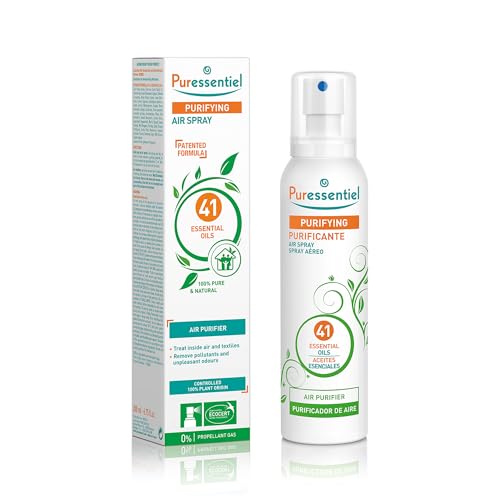
Puressentiel Purifying Air Freshener Spray – Room Spray with 41 Essential Oils – Eliminate Odors without Synthetic Chemicals – Multi-Use – 6.75 oz
PEPPERMINT ESSENTIAL OIL INFUSION: Our air freshener spray combines the invigorating power of peppermint essential oil with 41…
As an affiliate, we earn on qualifying purchases.
As an affiliate, we earn on qualifying purchases.
Frequently Asked Questions
Can Air Fresheners Cause Allergic Reactions in Sensitive Individuals?
Yes, air fresheners can cause allergic reactions in sensitive individuals. Many air freshener chemicals, like synthetic fragrances and preservatives, can trigger symptoms such as sneezing, headaches, or skin irritation. If you have allergic sensitivity, it’s best to avoid using them or choose natural alternatives. Always check the ingredient list and consider testing a small amount before using it widely. Being cautious can help you maintain a comfortable and allergy-free environment.
How Do Outdoor Pollutants Affect Indoor Air Quality?
Ever wondered if the air outside could sneak into your home? Outdoor pollutants can profoundly affect indoor air quality through a process called indoor air infiltration. When you open windows or doors, allergens, smoke, and other contaminants can enter your living space, making it less healthy. Even on seemingly clean days, pollutants can find their way in, so it’s essential to be mindful of outdoor air quality to maintain a fresh and safe indoor environment.
Are There Eco-Friendly Air Freshener Options Available?
Yes, there are plenty of eco-friendly air freshener options available. You can explore natural alternatives like essential oils, which not only smell great but also offer various health benefits. Look for biodegradable products that break down easily, reducing your environmental impact. Items like soy or beeswax candles infused with natural scents are excellent choices too. By opting for these alternatives, you can freshen your space while being kind to the planet.
What Are the Health Benefits of Fresh Air?
Fresh air boosts your health by improving air quality, which can enhance your mood and energy levels. When you practice natural ventilation techniques, like opening windows, you reduce indoor pollutants and allergens. You’ll notice fewer headaches and better concentration. Keep an eye on air quality monitoring to guarantee your environment stays healthy. Embracing fresh air helps you breathe easier, sleep better, and ultimately supports your overall well-being.
How Often Should I Open Windows for Optimal Ventilation?
You should open your windows for at least 15-30 minutes a few times a week for ideal ventilation. This allows natural ventilation to enhance indoor circulation, helping to reduce pollutants and improve air quality. If the weather’s nice, you can do this daily. Just make certain you’re not inviting in allergens or outdoor pollutants. Remember, fresh air is essential for a healthy living environment, so make it a regular habit!

Air Wick Essential Mist Starter Kit, Diffuser + 1 Refill, Lavender and Almond Blossom, Air Freshener, Essential Oils
FRAGRANCE: A divine blend of freshness and softness, the fresh aromacy of lavender wrapped with the delicate sweet…
As an affiliate, we earn on qualifying purchases.
As an affiliate, we earn on qualifying purchases.
Conclusion
So, the next time you’re faced with a stuffy room, ask yourself: do I really want to mask the air or let it breathe? Opening a window invites freshness and vibrancy, while air fresheners might just be hiding something beneath the surface. What’s lurking in your space? The choice is yours—will you embrace the unknown and let nature in, or will you settle for a temporary fix? The answer could change how you feel at home.

Comfort Zone 9-Inch 3-Speed Reversible Twin Window Fan – Dual Blade Window Exhaust Fan with Auto-Locking Expanders, 22.25" to 33" Wide – Tabletop Feet & Removable Bug Screen included
VERSATILE 3-SPEED CONTROL: Choose between Low, Medium, or High airflow settings to suit your comfort. This fan also…
As an affiliate, we earn on qualifying purchases.
As an affiliate, we earn on qualifying purchases.

Bright Air 14 oz. Super Odor Eliminator, For Medium-Size Spaces, Cool & Clean Scent, Case of 6,Air Freshener, Natural Essential Oils, Lasts Up to 90 Days Each
CONTINUOUSLY FIGHTS UNWANTED ODORS: Solid gel tackles unfriendly odors including garbage, cooking, pet and smoke 24/7 for up…
As an affiliate, we earn on qualifying purchases.
As an affiliate, we earn on qualifying purchases.