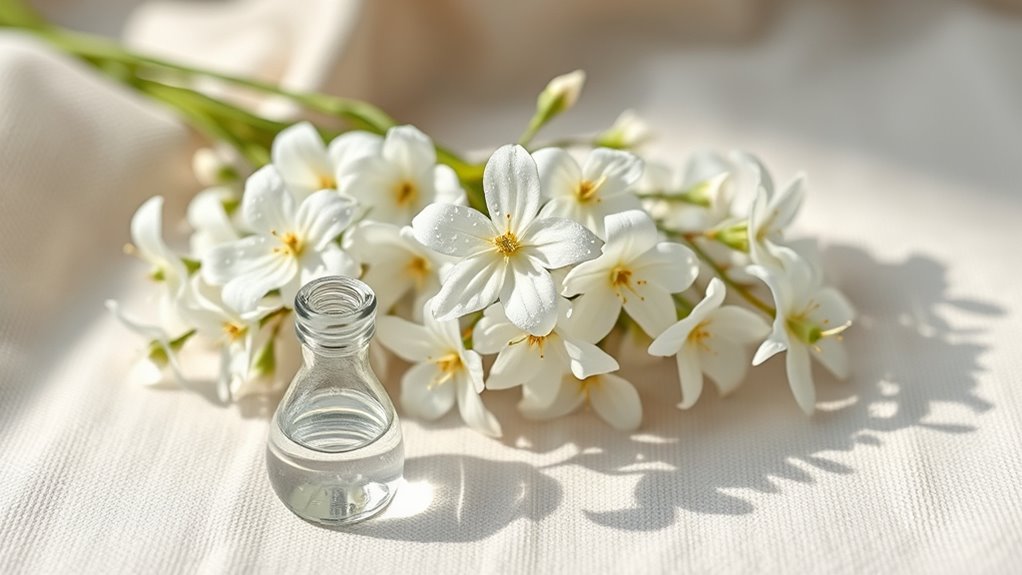

If you’re sensitive to fragrances, neutral scents are your best ally. They create a calming atmosphere without overwhelming your senses, reducing the risk of headaches. Options like vanilla, sandalwood, and light citrus can gently envelop your space, making it feel welcoming. Using essential oils and keeping layers subtle can enhance your environment without causing irritation. Curious about how to effectively use these scents in your home? You’ll discover helpful tips ahead.

Get oils, diffusers and self-care delivered free with Prime
- Fast, free delivery on millions of items
- Prime Video, Amazon Music and more included
- Member-only deals all year
Key Takeaways
- Neutral scents create a calming environment, ideal for sensitive noses, minimizing the risk of headaches or irritation.
- Essential oils like chamomile and green tea offer natural, gentle options that support healthier indoor air quality.
- Layering subtle scents, like vanilla with fresh accents, enhances the ambiance without overwhelming the senses.
- Ventilation is crucial; opening windows improves air quality and helps dilute stronger scents naturally.
- Using light citrus sprays or lavender oil can effectively mask unpleasant odors while maintaining a pleasant overall scent profile.

Have you ever walked into a room and instantly felt at ease? That comforting atmosphere often comes from neutral scents that gently envelop your senses without overwhelming them. For those with sensitive noses, steering through the world of fragrances can be tricky. You want to create a calming environment without triggering headaches or irritation. Luckily, neutral scents can be your best friends.
When it comes to fragrance layering, it’s all about the balance. You don’t have to shy away from scents altogether; instead, you can blend different layers to achieve a harmonious aroma. For instance, consider starting with a light base like vanilla or sandalwood. These scents are generally well-tolerated and provide a warm foundation. Then, you can add a touch of something fresh, like lemon or eucalyptus, to uplift the atmosphere. The key is to keep it subtle. You want your layered fragrance to enhance the space, not dominate it.
Scent masking is another effective technique for those sensitive to strong odors. If there’s a lingering smell in your home that just won’t go away—perhaps from pets or cooking—layering neutral scents can help. For example, spritz a bit of a light citrus spray or diffuse a gentle lavender oil. This won’t just cover up the unwanted scent; it’ll create an inviting ambiance. Remember, the goal isn’t to completely mask unpleasant smells but to blend them into something more pleasant.
You might also want to explore natural options like essential oils. They often provide the same benefits as traditional fragrances but without the synthetic components that can irritate sensitive noses. A few drops of chamomile or a hint of green tea can work wonders. You can mix these with a neutral base, allowing you to create a personalized scent that feels just right for you. Additionally, using natural options like essential oils can be an excellent way to maintain a gentle scent profile.
Finally, don’t forget about the power of ventilation. Sometimes, simply opening a window can do wonders for the air quality in your home. Fresh air can dilute stronger scents, making it easier for you to enjoy whatever fragrance layering or scent masking you’ve employed.
neutral essential oils for sensitive noses
As an affiliate, we earn on qualifying purchases.
As an affiliate, we earn on qualifying purchases.
Frequently Asked Questions
Are Neutral Scents Safe for Children and Pets?
Yes, neutral scents can be safe for children and pets, but you should always check for specific ingredients. Prioritize child safety by choosing products labeled as non-toxic and hypoallergenic. For pet-friendly options, avoid strong fragrances that might irritate their sensitive noses. Always monitor how your child or pet reacts to any new scent, and consider using essential oils in moderation, as some can be harmful. Your vigilance guarantees a safe environment for everyone!
How Can I Test a Scent Before Purchasing?
To test a scent before purchasing, look for fragrance sampling options at stores or online. Many retailers offer sample sizes or testers, allowing you to experience the scent firsthand. Don’t hesitate to ask for scent testing at perfume counters, where you can try different fragrances on your skin. Give it some time to settle, as scents can change. This way, you guarantee you’ll love what you’re buying before making a commitment.
Do Neutral Scents Have Any Therapeutic Benefits?
Yes, neutral scents can have therapeutic benefits. In fact, studies show that about 60% of people report feeling calmer with subtle aromas. Aromatherapy often relies on scent preferences, promoting relaxation and reducing anxiety. You might find that fragrances like lavender or chamomile help create a peaceful environment. By experimenting with different neutral scents, you can discover which ones resonate with you, enhancing your overall well-being and mood. Enjoy the journey of exploration!
Can I Create My Own Neutral Scent at Home?
Yes, you can create your own neutral scent at home! Start by experimenting with DIY fragrance recipes using essential oils like lavender, chamomile, or sandalwood. Blend these oils in small amounts until you find the balance you love. Keep in mind that scent blending is all about personal preference, so don’t hesitate to adjust the ratios to suit your taste. Enjoy the process, and you’ll craft a fragrance that feels uniquely yours!
How Long Do Neutral Scents Typically Last?
Neutral scents typically last anywhere from a few hours to several days, depending on their formulation and storage. The duration and longevity of a scent rely on its ingredients and how well they’re blended. For better scent stability, keep your creations in a cool, dark place, away from direct sunlight. You’ll notice that essential oils or synthetic bases may behave differently, so experimenting will help you find the perfect balance for lasting aromas.
Conclusion
As you step into a world of subtle fragrances, imagine the gentle embrace of a soft breeze carrying whispers of vanilla and chamomile. You ponder what lies ahead, each scent inviting you to explore further without overwhelming your senses. Just as you find a moment of calm, a hint of fresh linen dances through the air, leaving you in suspense—what other delicate aromas await? You’re left wondering, ready to uncover more treasures that respect your sensitive nose.
Fall Picks
fall essentials
As an affiliate, we earn on qualifying purchases.