
TL;DR
Fit&Well reports that 59-year-old trainer Jill Brown avoids heavy lifting because of injuries and says she is stronger than ever. She recommends a 30-minute, six-move resistance-band workout, with beginners starting at six to eight reps and adding repetitions or hold time gradually.
Jill Brown, a 59-year-old personal trainer and Pilates instructor, says she no longer lifts heavy weights because of injuries and recommends a 30-minute resistance-band routine for people starting strength training. In a report published by Fit&Well, Brown’s plan uses six movements and suggests beginners begin with six to eight repetitions, then increase gradually while maintaining good form.

Get oils, diffusers and self-care delivered free with Prime
- Fast, free delivery on millions of items
- Prime Video, Amazon Music and more included
- Member-only deals all year
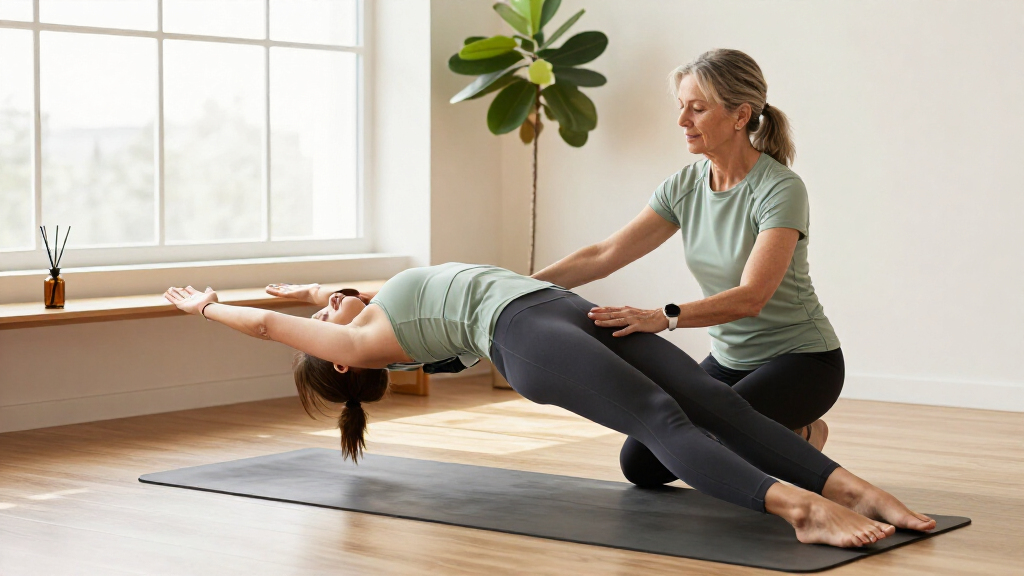
Brown is described by Fit&Well as a board-certified health and wellness coach, personal trainer and Pilates instructor. She told the publication that heavy lifting is no longer part of her routine because of injuries. Brown also said that research indicates muscle can grow with lighter to moderate weights, though the report does not cite particular studies or provide details about their methods.
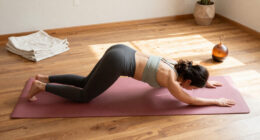
The workout consists of squats, lunges, bent-over rows, lat pulls, a child’s-pose-to-kneeling push-up and a banded floor press. Fit&Well lists two to three sets of six to eight reps for most exercises, with lunges performed on each side. The routine requires both a long-loop and a short-loop resistance band; the report does not specify band resistance or a rest schedule.
Brown advises people to start with the number of repetitions they can perform with good form and record it, then add more over time. She applies the same incremental approach to holds, giving the example of increasing a 20-second plank by five seconds each week. While Brown says she favors 20 repetitions herself, she does not recommend that beginners start there.
A Lower-Equipment Starting Point
The routine offers a home-based entry point to strength training for people who may not feel ready to lift weights, have access to a gym or want to buy bulky equipment. Resistance bands are the central equipment in the plan, although users need two types of loop band and should choose movements and resistance that they can control.
Brown’s approach also gives readers a practical way to scale effort: begin at a manageable level, track performance and increase repetitions over time. That is a recommendation from one trainer, not a guarantee that every participant will build muscle or become stronger. A reader’s progress can depend on their starting point, consistency, health and how challenging the exercises are.
Her account may also be relevant to people adapting exercise around an injury. The report does not identify Brown’s injuries or describe how she modified movements for them, so her personal routine should not be taken as individualized rehabilitation guidance. People with injuries, pain or health conditions may need advice from a qualified health professional before beginning or changing an exercise program.
Products Worth Considering

Withings ScanWatch Light Hybrid Smartwatch – White

BowFlex Results Series SelectTech Adjustable Dumbbells

OMRON Complete 2-in-1 Upper Arm Blood Pressure Monitor with EKG
As an affiliate, we earn on qualifying purchases.
Brown’s Approach to Strength Training
The Fit&Well report frames Brown’s routine as an option for readers who are recovering from injury, returning to exercise after time away or avoiding gym costs and large equipment. It places the workout within wider advice about strength exercise as people age, but the article’s specific development is Brown’s personal account and the beginner routine she recommends—not a new clinical study or formal training guideline.
Brown told Fit&Well she uses higher repetitions with lighter resistance rather than heavy weights. She said she is a fan of 20 reps because, in her view, higher-repetition work keeps her heart rate up. Fit&Well presents that as Brown’s explanation; it does not establish that this format burns a particular number of calories or is more effective than other approaches.
The published sequence combines lower-body, upper-body and floor-based movements. The instructions emphasize controlled execution, including keeping the torso upright during squats and lunges, maintaining a straight back during the row, and lowering the arms with control during the floor press. The source recommends increasing repetitions incrementally, but it does not set a fixed timeline for progressing through the full routine.
“I don’t lift heavy because of injuries.”
— Jill Brown, speaking to Fit&Well
Limits of the Published Guidance
The report does not state when it was published, identify Brown’s injuries, or provide independent measurements showing that she is stronger than at an earlier point. The claim that she is the strongest she has ever been comes from the framing of the report and her personal account, rather than quantified strength data in the supplied material.
Fit&Well does not name the research behind Brown’s comments on muscle growth with lighter weights. It also does not explain how beginners should select band resistance, how long to rest between sets, or how to adapt every exercise for pain, limited mobility or specific injuries. The workout is presented as a recommendation, not as a tailored program or a substitute for clinical advice.
How Beginners Can Start Safely
Brown’s stated progression is to begin with repetitions that can be completed with good form, write down the starting number and add repetitions the following week. For a hold such as a plank, she suggests a similar measured increase. The article does not set a required schedule beyond those examples, so readers should not treat weekly increases as mandatory if their form or comfort changes.
Before trying the routine, readers can review the movement instructions and use bands that allow controlled repetitions without excessive strain. Anyone with an injury, ongoing pain, a medical condition or uncertainty about an exercise should seek guidance from a qualified professional. Fit&Well’s report does not say whether Brown plans to publish follow-up guidance or a revised version of the workout.
Key Questions
Who is Jill Brown?
Brown is 59 and is described by Fit&Well as a board-certified health and wellness coach, personal trainer and Pilates instructor.
Why does Brown avoid heavy weights?
Brown told Fit&Well, “I don’t lift heavy because of injuries.” The report does not identify the injuries or describe their treatment.
What exercises are in the resistance-band workout?
The six movements are squats, lunges, bent-over rows, lat pulls, child’s-pose-to-kneeling push-ups and banded floor presses. The routine calls for a long-loop and a short-loop resistance band.
How many repetitions should a beginner do?
Brown recommends starting with six to eight repetitions and increasing gradually, using good form as the guide. Fit&Well lists two to three sets for the exercises, with lunges done on each side.
Is this routine suitable for someone with an injury?
The report does not provide injury-specific modifications. People with injuries, pain or relevant health conditions should seek individual guidance from a qualified health professional before starting or changing their exercise routine.
Source: rss