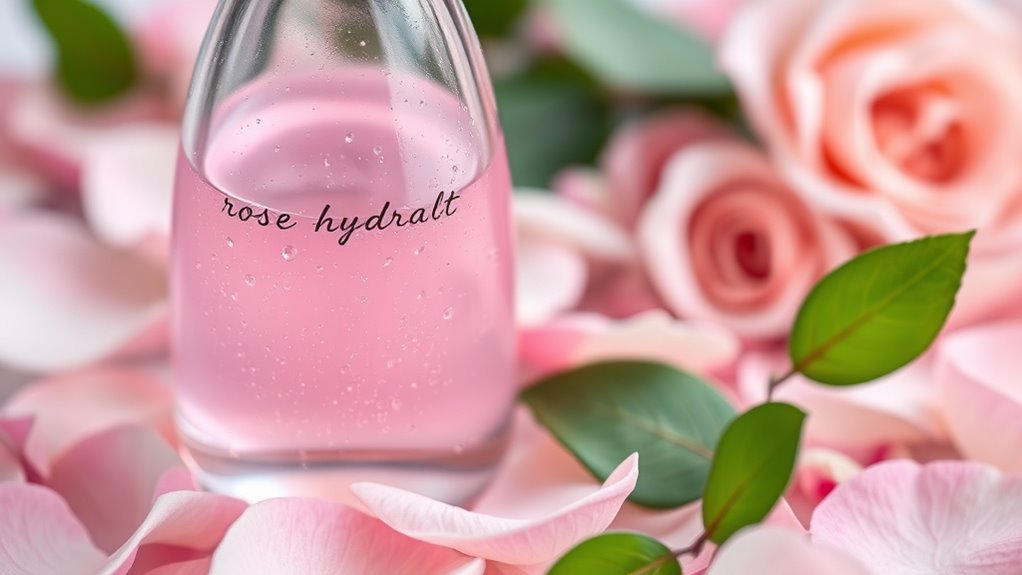

Rose hydrolat is a soothing liquid extracted from rose petals that hydrates and calms your skin. Just a few spritzes can reduce redness and inflammation, making it perfect for sensitive skin. You can use it as a toner, mix it with oils, or refresh yourself throughout the day. Plus, its floral scent uplifts your mood while enhancing your skincare routine. There’s even more to discover about how it can elevate your personal care practices.
Key Takeaways
- Rose hydrolat is extracted from steam-distilled rose petals, capturing their soothing scent and beneficial properties.
- It hydrates and calms sensitive skin, reducing redness and inflammation effectively.
- The hydrolat can be used as a toner, revitalizing mist, or mixed with oils for enhanced skincare effects.
- It serves as a versatile base for DIY skincare treatments, elevating the overall experience with its floral scent.
- The uplifting aroma of rose hydrolat not only refreshes the skin but also promotes a positive mood.
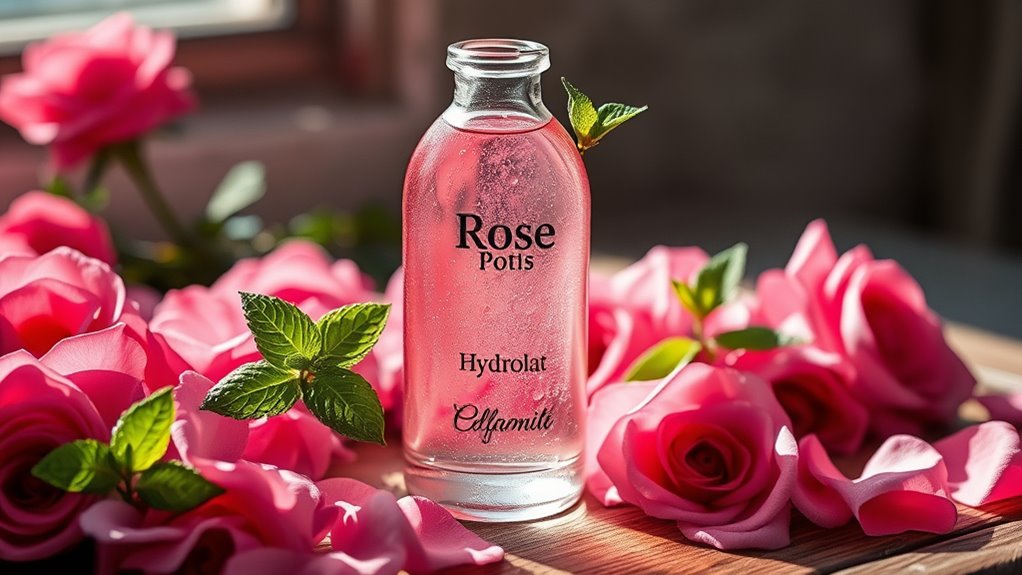
If you’re looking for a natural way to enhance your skincare routine, rose hydrolat might just be the answer. This fragrant, soothing liquid is derived from the steam distillation of rose petals, capturing not just the enchanting scent of roses but also their numerous botanical benefits. Using rose hydrolat can transform your daily regimen into a luxurious and calming experience, elevating both your skin’s health and your mood.
One of the most notable botanical benefits of rose hydrolat is its ability to hydrate and soothe your skin. If you struggle with dryness or irritation, incorporating this hydrosol can help restore balance. It’s gentle enough for sensitive skin and can even reduce redness and inflammation. As you spritz it onto your face, you’ll notice how instantly invigorating it feels, almost like a soft, floral embrace. It’s a fantastic way to provide your skin with the moisture it craves without the heaviness of creams or oils.
Experience the soothing hydration of rose hydrolat, perfect for sensitive skin and a refreshing floral embrace.
When it comes to application methods, there are several ways you can use rose hydrolat in your routine. You can simply spray it on your face as a toner after cleansing to tighten pores and prep your skin for serums or moisturizers. Alternatively, you can mix it with your favorite facial oils or creams to enhance their effectiveness and add a sweet floral scent. If you’re feeling adventurous, try using it as a revitalizing mist throughout the day. A quick spritz can revive your complexion and uplift your spirits, especially during hectic moments.
For those who enjoy DIY skincare, rose hydrolat can serve as a fantastic base for homemade facial masks or scrubs. Combine it with clay or honey for a nourishing treatment that leaves your skin feeling soft and rejuvenated. You’ll love how easy it is to integrate this hydrosol into your routine, making it a versatile addition to your beauty arsenal. Additionally, it’s worth noting that the importance of hydration plays a crucial role in maintaining healthy skin, much like the use of mineral-based sunscreens for protection against UV rays.

Fresh Rose Deep Hydration Facial Toner Toner Women 3.4 oz
A daily, non-stripping toner with real rose petals and hyaluronic acid that minimizes the look of pores while…
As an affiliate, we earn on qualifying purchases.
As an affiliate, we earn on qualifying purchases.
Frequently Asked Questions
How Is Rose Hydrolat Different From Rose Essential Oil?
Rose hydrolat and rose essential oil differ primarily in their extraction processes and botanical comparison. Hydrolat is produced during steam distillation, creating a water-based product that retains some plant properties. In contrast, essential oil is a concentrated, aromatic liquid obtained from the petals, offering a stronger scent and therapeutic benefits. While both come from the same plant, their uses and strengths cater to different needs, making each unique in its own right.
Can Rose Hydrolat Be Used for Cooking?
Absolutely, you can use rose hydrolat in cooking! Picture a delicate drizzle of this fragrant liquid over a fresh fruit salad or a splash in a invigorating herbal tea. Its floral notes provide a unique flavor enhancement, transforming ordinary dishes into something extraordinary. You’ll find culinary uses ranging from desserts to marinades, adding a subtle rose essence that captivates the senses. Just remember, a little goes a long way!
Is Rose Hydrolat Safe for Children?
Yes, rose hydrolat is generally safe for children, but you should always exercise caution. Before using it, check for any allergy concerns by doing a patch test on a small area of their skin. If there’s no reaction after 24 hours, it’s likely safe for use. Always dilute it properly and consult with a pediatrician if you have any doubts about child safety. Your child’s well-being is the priority!
How Should Rose Hydrolat Be Stored?
To keep rose hydrolat fresh, store it in a cool, dark place, away from direct sunlight—like a hidden treasure in your cupboard. Ideal storage conditions include a sealed glass bottle, as plastic can leach chemicals. Make sure it’s tightly closed to maintain its integrity. With proper care, its shelf life can extend to about six months. Regularly check for any changes in smell or color, and you’ll enjoy its calming benefits longer.
What Are the Sourcing Methods for Rose Hydrolat?
To source rose hydrolat, you’ll find it primarily in regions like Bulgaria and Turkey, known for their high-quality rose varieties. Extraction techniques often include steam distillation, where steam passes through rose petals, capturing their essential oils. This method guarantees you get a pure and aromatic hydrolat. Sometimes, you might also encounter solvent extraction, but steam distillation is the preferred choice for its ability to preserve the delicate scent and therapeutic properties.

Yoken Organic Rose Water Spray for Face, 8 Fl Oz Fine Mist, Rosewater Face Mist with 100% Pure & Natural Rosa Damascena Rose Hydrosol, USDA Certified Organic, Alcohol Free, Vegan, No Dyes
Organic Rose Hydrosol: Yoken Rose Water is a pure floral hydrosol obtained through gentle rose distillation. USDA Certified…
As an affiliate, we earn on qualifying purchases.
As an affiliate, we earn on qualifying purchases.
Conclusion
In the delicate embrace of rose hydrolat, you find a sanctuary for your senses. Its calming scent wraps around you like a soft, velvety blanket, soothing the chaos of the day. As the petals whisper their secrets, you’re reminded that tranquility is just a spray away. Let each inhalation be a gentle reminder to pause, breathe, and reconnect with the beauty that surrounds you. Embrace the serenity, and let it bloom within your heart.
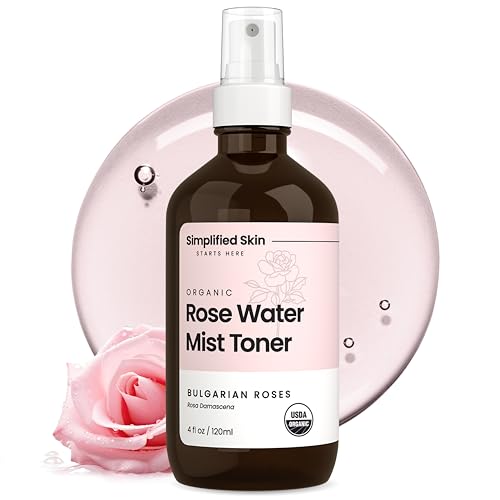
Rose Water Spray for Face & Hair – Pure USDA Organic Rosewater Toner – Refreshing Mist for Skin Care, Makeup & Locs – Natural Rose Scent, 4 Oz
USDA-Certified Organic Rose Water for Face & Hair: Simplified Skin rosewater spray delivers soothing hydration with every spritz….
As an affiliate, we earn on qualifying purchases.
As an affiliate, we earn on qualifying purchases.
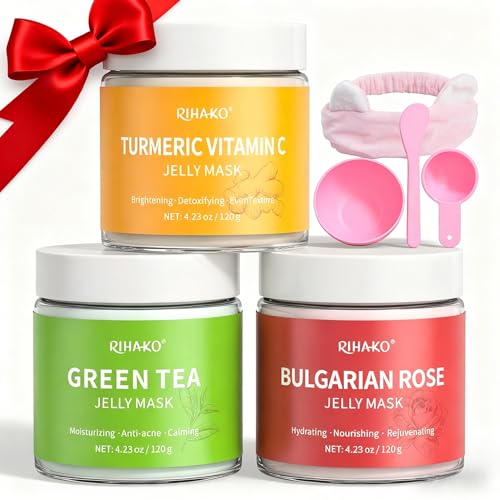
Jelly Mask For Facial Skincare Gift Kits, Peel-Off Hydrating Icy Jelly Mask, Hydrogel Jelly Face Mask Set,Turmeric Vitamin C, Rose & Green Tea,Diy Home Spa Kit – Gift for Him & Her
🎁【Turmeric Vitamin C Jelly Mask】Turmeric Vitamin C Jelly Mask Main Ingredients Vitamin C and Turmeric have a stronger…
As an affiliate, we earn on qualifying purchases.
As an affiliate, we earn on qualifying purchases.