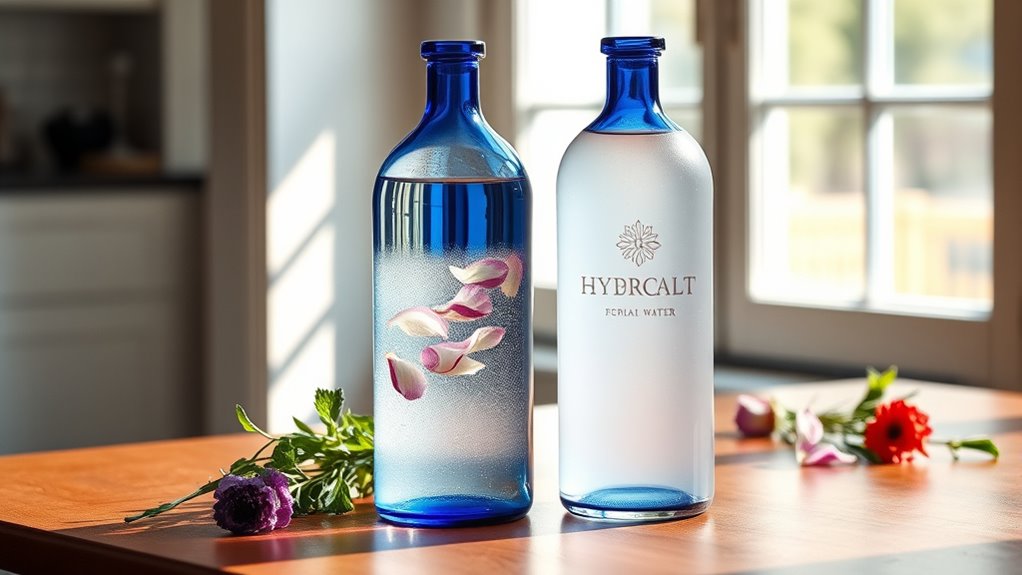

Hydrolats and floral waters might look alike, but they’re quite different. Hydrolats are byproducts of steam distillation, preserving beneficial plant compounds in a gentler form. Floral waters, on the other hand, are often infused and may lack those therapeutic properties. This distinction affects their use in skincare and overall effectiveness. So, if you’re curious about how to choose the right one for your needs, keep exploring!
Key Takeaways
- Hydrolats are produced through steam distillation, while floral waters may be made through infusion, lacking the same extraction method’s benefits.
- Hydrolats contain lower concentrations of aromatic compounds, making them milder and suitable for direct skin application compared to floral waters.
- Authentic hydrolats retain beneficial properties of the original plant, whereas floral waters may offer only pleasant scents without therapeutic effects.
- Checking product labels is crucial; genuine hydrolats must be steam-distilled, while many floral waters are not.
- Hydrolats provide soothing properties and enhanced skincare benefits due to their careful extraction process, unlike most floral waters.
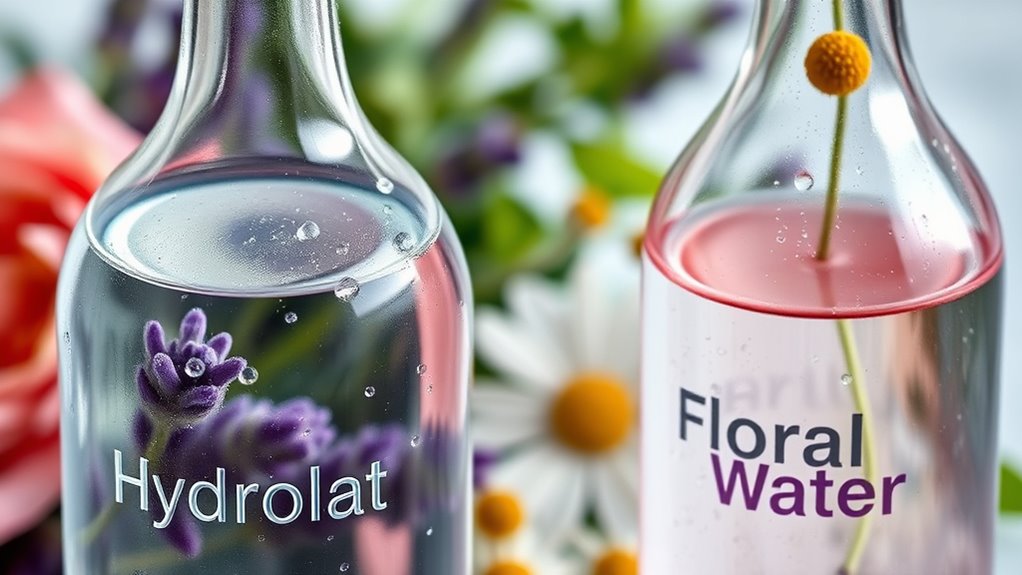
When you explore the world of natural skincare, you might wonder about the differences between hydrolats and floral waters. Both terms often get tossed around interchangeably, but there’s a subtle distinction that can enhance your understanding and usage of these aromatic products. Basically, both come from the same process of botanical distillation, but their composition and intended uses can differ.
Hydrolats, also known as hydrosols, are the byproducts of essential oil extraction through steam distillation. When aromatic plants are subjected to this method, the steam captures the volatile compounds from the plant material. As the steam cools, it condenses back into liquid, creating two separate layers: the essential oil, which floats on top, and the hydrolat, which remains in the water. This process ensures that hydrolats retain some of the beneficial properties of the original plant, making them milder and more versatile than pure essential oils. You’ll find that hydrolats have a much lower concentration of aromatic compounds, making them suitable for direct skin application without the risk of irritation.
On the other hand, floral waters, while often used synonymously with hydrolats, can sometimes refer to products that are not produced through the same meticulous botanical distillation process. Some floral waters are simply infused waters, where plant materials are steeped in water, rather than undergoing the steam distillation process. Consequently, these products may not have the same level of therapeutic benefits as genuine hydrolats. When you’re selecting a product, it’s vital to check the label and ensure you’re getting a true hydrolat if that’s what you’re aiming for.
The aromas of both hydrolats and floral waters offer a delightful sensory experience. Hydrolats can deliver revitalizing and soothing properties thanks to their gentle nature. You might enjoy using them as toners, body sprays, or in DIY skincare formulations. Floral waters, depending on their production method, may still provide pleasant scents and a revitalizing feel, but their benefits might not be as pronounced as those of hydrolats.
In short, when you choose between hydrolats and floral waters, understanding their origins and extraction methods can help you make informed decisions about which products are best for your skincare routine. By opting for authentic hydrolats, you’re likely to experience the full benefits of the aromatic extraction process while enjoying the natural goodness of botanical distillation.
Frequently Asked Questions
Can Hydrolats Be Used in Cooking or Baking?
Yes, you can use hydrolats in cooking or baking! They’re great for adding unique flavor enhancements to your dishes. Try incorporating rose or lavender hydrolat into desserts for a fragrant twist, or use citrus hydrolats in marinades and dressings for a revitalizing kick. Just remember to start with small amounts, as their concentrated flavors can be potent. Experimenting with hydrolats can elevate your culinary applications and surprise your taste buds!
Are Floral Waters Safe for Sensitive Skin Types?
Yes, floral waters can be safe for sensitive skin types, but it’s important to test them first. You should always do a patch test to check for any allergy risk. Start with a small amount on your wrist and wait 24 hours to see how your skin reacts. If you notice any irritation or discomfort, it’s best to avoid using it. Choose high-quality floral waters to minimize potential issues.
How Should I Store Hydrolats and Floral Waters?
To store hydrolats and floral waters effectively, keep them in a cool, dark place away from direct sunlight. Use amber or cobalt glass bottles to protect the contents from light. Always tighten the cap after use to prevent contamination. For longer preservation, consider refrigerating them. Check for any changes in color or smell, and discard if you notice anything unusual. Following these storage tips guarantees your products stay fresh and effective!
Can I Mix Different Hydrolats Together?
Absolutely, you can mix different hydrolats together! It’s like creating a fragrant symphony, where each note harmonizes with the others. Just keep scent compatibility in mind; some hydrolats blend beautifully while others might clash. Experiment with blending techniques—start with small amounts to find a combination that sings to your senses. Whether you’re crafting a invigorating spray or a soothing toner, let your creativity flow and enjoy the aromatic journey!
What Is the Shelf Life of Hydrolats and Floral Waters?
Hydrolats and floral waters typically have a shelf life of 6 months to 2 years, depending on storage conditions. To maximize shelf longevity, keep them in a cool, dark place, away from direct sunlight. You can also use preservation methods like refrigeration or adding natural preservatives to extend their life. Always check for changes in smell or appearance, as these can indicate spoilage, and discard them if you notice any issues.
Conclusion
In essence, while hydrolats and floral waters may seem like kindred spirits, they each carry their own unique essence. You’ll find that hydrolats, born from the steam distillation process, possess a stronger aromatic profile and therapeutic benefits, whereas floral waters offer a lighter, more delicate touch. By understanding these nuances, you can choose the perfect elixir for your needs, ensuring your skincare routine blossoms into a fragrant symphony of natural beauty.