Most hydrosols go bad mainly from improper storage, such as exposing them to air, light, or heat. Without airtight, dark bottles stored in cool, dark places, their beneficial properties quickly diminish. Contamination from bacteria or mold also accelerates spoilage. Regularly checking for changes like sour smells or color shifts helps you identify when they’re no longer good. Keep these tips in mind to extend your hydrosol’s shelf life—more details await you.
Key Takeaways
- Exposure to air introduces microbes and accelerates spoilage of hydrosols.
- Light exposure causes oxidation, reducing hydrosol potency and leading to degradation.
- Heat and temperature fluctuations hasten microbial growth and chemical breakdown.
- Using unsterilized or contaminated containers increases risk of spoilage.
- Improper sealing or storing in unsuitable containers shortens shelf life and compromises quality.
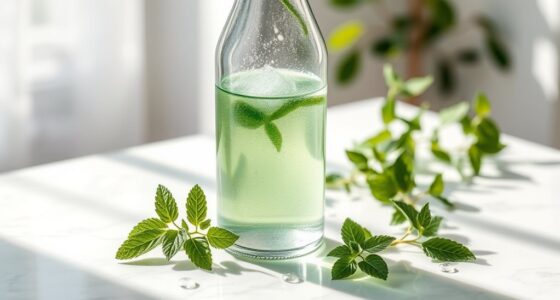
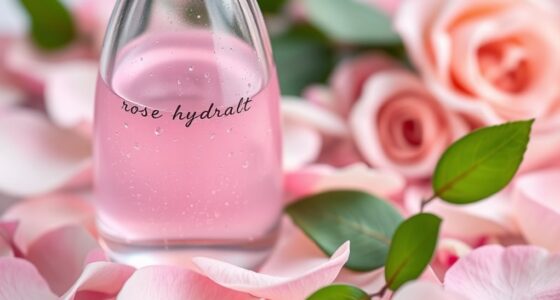
Have you ever wondered how long hydrosols stay fresh and effective? It’s a common question among those who love using botanical extracts for skincare, aromatherapy, or natural remedies. The key to maintaining their potency lies in understanding botanical preservation and proper storage techniques. Hydrosols are delicate, water-based solutions that contain essential oils and other plant compounds, so they’re prone to degradation if not kept correctly. Exposure to air, light, and heat can cause these natural products to lose their aroma, therapeutic properties, and overall effectiveness over time.
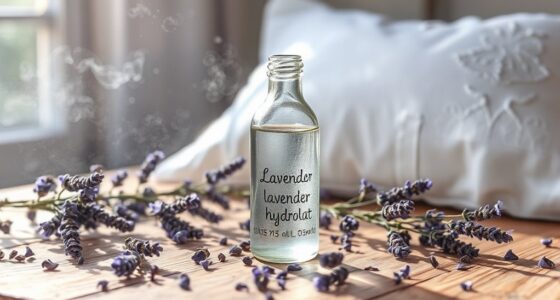
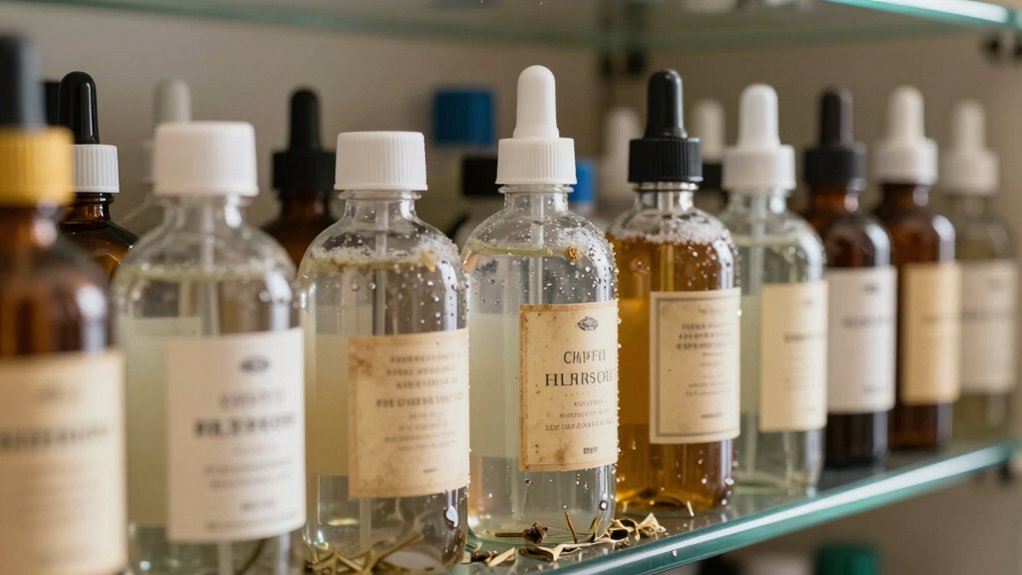
To maximize the shelf life of your hydrosols, you need to pay close attention to how you store them. First, always use sterilized, airtight containers—preferably dark glass bottles—that protect the liquid from light and oxygen. Light accelerates oxidation, which leads to faster spoilage, so opaque bottles are ideal. Storing hydrosols in a cool, dark place, such as a pantry or cupboard, helps slow down the natural deterioration process. Avoid placing them near heat sources like radiators, windows, or electric appliances, as temperature fluctuations hasten spoilage.
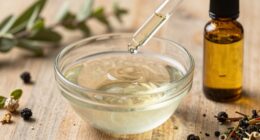
Another critical aspect of botanical preservation is monitoring the storage environment. Hydrosols are highly sensitive to microbial contamination; bacteria and mold can develop if they’re exposed to air for too long or if the containers aren’t properly sealed. Make sure to keep the bottles tightly closed when not in use and avoid introducing any foreign objects or water into the container. Using a clean dropper or pipette can help prevent accidental contamination each time you dispense some of the hydrosol. Proper storage conditions are essential for extending their shelf life and maintaining quality.
Additionally, it’s wise to label your bottles with the date of purchase or opening. Most hydrosols typically last between 6 months to 2 years, depending on the plant material and storage conditions. Regularly check for signs of spoilage, such as an off smell, change in color, or cloudy appearance. If you notice any of these signs, it’s best to discard the product and replace it with a fresh batch.
Frequently Asked Questions
Can Hydrosols Be Refrigerated Without Losing Potency?
Yes, you can refrigerate hydrosols without losing potency. Refrigeration benefits include slowing down microbial growth and preserving freshness. Just guarantee the storage temperature stays consistently cool, ideally between 4-8°C (39-46°F), to maintain quality. Avoid freezing, as it can damage the delicate botanicals. Proper refrigeration helps extend shelf life and keeps your hydrosols potent, fragrant, and effective for longer periods.
Do Homemade Hydrosols Last Longer Than Commercial Ones?
You might think homemade hydrosols last longer, but that’s not always the case. Without commercial preservatives or additives, they often spoil faster since you lack those extra layers of protection. Think of it as “putting all your eggs in one basket”—relying solely on homemade preservation methods. Commercial hydrosols usually contain additives that extend shelf life, so they tend to stay fresh longer than homemade versions.
How Does Sunlight Exposure Affect Hydrosol Shelf Life?
Sunlight exposure accelerates hydrosol spoilage by causing UV degradation, which breaks down the delicate plant compounds. When you leave hydrosols in direct light, you risk losing their potency and scent faster. To keep your hydrosols fresh longer, store them in dark, opaque bottles away from sunlight. Protecting them from light exposure helps preserve their therapeutic properties and extends their shelf life considerably.
Is It Safe to Use Expired Hydrosols?
Using expired hydrosols isn’t recommended because their preservation and shelf life extension are compromised. Over time, they can develop bacteria or mold, which could cause skin irritation or infections. If your hydrosol smells off, has changed color, or shows any signs of spoilage, avoid using it. Proper storage—away from sunlight and heat—helps maximize shelf life, but once expired, it’s safest to discard and replace with a fresh batch.
What Signs Indicate a Hydrosol Has Gone Bad?
You’ll notice your hydrosol’s spirit fades when it develops a sour odor or a strange, off-putting smell—like a garden turned sour. Bacterial contamination can turn clear liquid cloudy or create sediment, signaling it’s lost its freshness. If the scent shifts drastically or you see visible changes, it’s time to say goodbye. Trust your senses—these subtle cues reveal when your hydrosol has gone bad and should be discarded.
Conclusion
So, while hydrosols seem simple, their shelf life hinges on your storage choices. Think of them as delicate treasures—easily spoiled if neglected, yet revitalized with proper care. Without proper storage, they fade quickly, like a vibrant bloom wilting overnight. But with mindful handling, you can keep their freshness alive, revealing their full potential. Remember, your attention can turn a fleeting moment into a lasting experience—protect your hydrosols, and they’ll reward you in return.