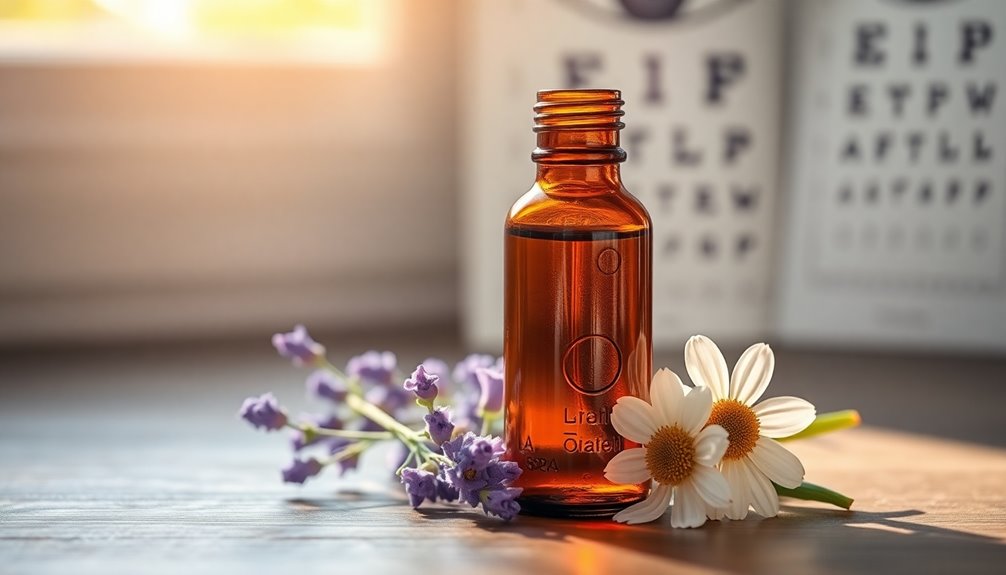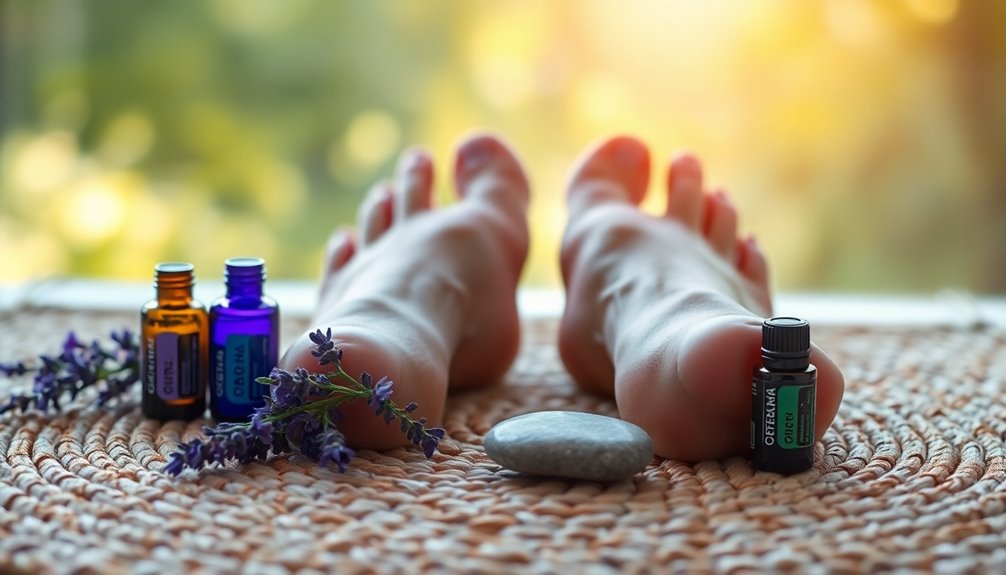
Essential oils are concentrated extracts from plants, capturing their aromatic and therapeutic properties. When you inhale or apply them, they enter your body through your nose, lungs, or skin, influencing your mood, relaxation, or even physical well-being. Different diffusion methods, like diffusers or direct application, can enhance their effects while ensuring safety. To discover how these powerful oils can work for you and how to use them properly, keep exploring further.
Key Takeaways
- Essential oils are concentrated plant extracts capturing aromatic compounds for therapeutic and aromatic purposes.
- They are obtained through processes like distillation or cold-pressing from various plant parts.
- When used properly, oils can promote relaxation, energy, or wellness through inhalation or topical application.
- Diffusing essential oils disperses aromatic molecules into the air, influencing mood and atmosphere.
- Safety involves proper dilution, ventilation, and awareness of potential sensitivities or contraindications.
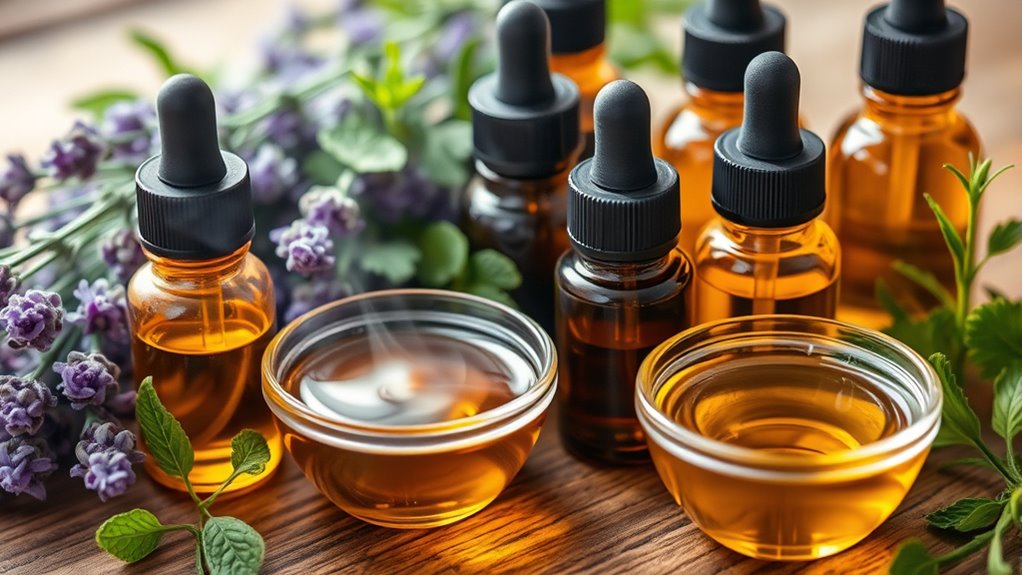
Have you ever wondered how essential oils actually work? When you use them, whether by diffusing or applying directly, understanding the methods behind their use can help you get the most benefit safely. Diffusion methods are one of the most popular ways to enjoy their aroma and potential effects. You might use a diffuser that disperses essential oils into the air in the form of a fine mist, allowing the scent to fill a room and create a calming or invigorating environment. There are different types of diffusers—ultrasonic, nebulizing, heat-based—and each works uniquely. Ultrasonic diffusers use water to disperse the oils as a cool mist, maintaining the integrity of the essential oils’ natural compounds. Nebulizers, on the other hand, release pure oil particles without water, offering a more concentrated experience. Heat diffusers warm the oils, causing them to evaporate more quickly, but this can sometimes alter their chemical structure. Knowing which diffusion method suits your needs can help you maximize their benefits while minimizing any risks. Additionally, being aware of city dynamics and local resources can enhance your overall experience with essential oils, especially if you’re integrating them into your wellness routine in a new environment. It’s also helpful to understand how different diffusion techniques interact with the environment to optimize safety and effectiveness. Proper knowledge of aromatherapy practices can further enhance your ability to use essential oils safely and effectively. Safety considerations should be at the forefront when working with essential oils. Since they are highly concentrated, applying them directly to your skin without proper dilution can cause irritation or allergic reactions. Always dilute essential oils with a carrier oil before topical application, and do a patch test first to check for sensitivities. When diffusing oils, keep the space well-ventilated and avoid overdoing it—using too much oil or running a diffuser for long periods can sometimes cause headaches or respiratory irritation, especially if you’re sensitive or have allergies. Be cautious about using certain oils around children, pets, or pregnant women, as some can be toxic or cause adverse reactions. It’s also important to follow manufacturer instructions for your diffuser, including cleaning it regularly to prevent mold or bacterial growth. To further ensure safety, consider consulting with a qualified aromatherapist for personalized guidance on oil selection and usage. While diffusion is generally safe when done correctly, being mindful of safety considerations ensures you enjoy the benefits without unintended consequences. Always start with smaller quantities and shorter diffusion times, especially if you’re new to essential oils. If you experience any discomfort, stop using the diffuser and ventilate the space. Remember, essential oils are potent, and respecting their power helps you avoid unnecessary risks. Incorporating diffusion methods that suit your environment and needs can help you harness their therapeutic potential effectively. Ultimately, understanding the different diffusion methods and safety considerations can help you incorporate essential oils into your routine responsibly, allowing you to experience their calming, energizing, or therapeutic effects fully.

Dreo Humidifiers for Bedroom, 4L Top Fill for Large Room, 36H Runtime, 28 dB Quiet Supersized Cool Mist Air Humidifier for Baby Nursery, Plants, Indoor, Night Light, Easy to Clean & Fill, White
𝟰𝗟 𝗟𝗮𝗿𝗴𝗲 𝗧𝗮𝗻𝗸 𝗳𝗼𝗿 𝗖𝗼𝗻𝘁𝗶𝗻𝘂𝗼𝘂𝘀 𝗖𝗼𝗺𝗳𝗼𝗿𝘁: Enjoy quiet sleep without congestion, coughing, or dry mouth, DREO baby humidifier's...
As an affiliate, we earn on qualifying purchases.
Frequently Asked Questions
Are Essential Oils Safe for Children and Pets?
You should prioritize child safety and pet concerns when using essential oils around kids and animals. Many oils can be toxic or irritating, so always dilute them and keep them out of reach. Consult with a healthcare professional before use, especially for children or pets with health issues. Never apply essential oils directly to children or pets, and avoid diffusing strong scents in their environments to guarantee their safety.
Can Essential Oils Replace Medications for Health Issues?
It might seem like a coincidence, but essential oils shouldn’t replace medications for health issues. While they can support wellness, they can also cause drug interactions if used improperly. You need to follow dosage guidelines carefully and consult your healthcare provider. Relying solely on essential oils without professional advice could be risky, so always treat them as complementary, not substitutes, for medical treatment.
How Long Do Essential Oils Typically Last?
Essential oils typically last between 1 to 3 years, depending on the oil type. Their shelf life is influenced by storage tips like keeping them in dark glass bottles, away from heat and sunlight. Proper storage helps preserve their potency and fragrance. Always check for changes in scent or color before use, as expired oils may lose effectiveness or develop an off smell. Proper storage guarantees you get the most out of your essential oils.
Are There Any Allergic Reactions Associated With Essential Oils?
Imagine your skin as a delicate garden, and essential oils as vibrant blooms. Sometimes, these blooms can cause allergic reactions or skin sensitivity, turning your garden into a rash or itch. You might experience redness, swelling, or irritation. Always do a patch test first, and consult a professional if you notice any adverse effects. With caution, you can enjoy essential oils’ beauty without upsetting your skin’s harmony.
What Is the Proper Way to Store Essential Oils?
To properly store your essential oils, follow some simple storage tips to maintain their potency and extend shelf life. Keep them in dark glass bottles, away from direct sunlight and heat. Store them in a cool, dry place, like a cupboard or drawer. Tighten caps securely after each use, and avoid exposing oils to air. Proper storage helps preserve their quality and ensures you get the most benefit from your essential oils.

Dreo Smart Humidifiers for Bedroom, Top Fill 4L Supersized Humidifier Large Room with 28 dB, 36H Runtime, Touch/APP/Voice Control, Nightlight, Cool Mist Humidifiers for Baby, Plants, Indoor, Black
𝐏𝐫𝐞𝐜𝐢𝐬𝐞 𝐀𝐮𝐭𝐨 𝐇𝐮𝐦𝐢𝐝𝐢𝐭𝐲, 𝐕𝐨𝐢𝐜𝐞 & 𝐀𝐩𝐩 𝐂𝐨𝐦𝐦𝐚𝐧𝐝: Stop guessing the right humidity. With enhanced sensing precision for more...
As an affiliate, we earn on qualifying purchases.
Conclusion
Think of essential oils as tiny messengers, traveling through your body like explorers charting new territory. When you breathe them in or apply them, they send signals that can uplift, relax, or energize you—kind of like a gentle breeze guiding a ship to calmer waters. By understanding how they work, you can harness their power to create a healthier, more balanced life. So, welcome these aromatic guides and let them lead you on your wellness journey.

DREO 8L Smart Humidifier Large Room 600ft², HM717S, 80H Runtime Supersized Warm and Cool Mist Humidifiers for Bedroom Baby, 28dB Quiet Air Humidifier for Plants Indoor, Home, Whole House, Silver
𝐖𝐚𝐫𝐦 𝐚𝐧𝐝 𝐂𝐨𝐨𝐥 𝐌𝐢𝐬𝐭, 𝐀𝐥𝐥-𝐚𝐫𝐨𝐮𝐧𝐝 𝐂𝐨𝐦𝐟𝐨𝐫𝐭: Switch between warm mist (reach 133°F in 8 mins) for winter relief...
As an affiliate, we earn on qualifying purchases.

LEVOIT Top Fill Humidifiers for Bedroom, 2.5L Tank for Large Room, Easy to Fill & Clean, 28dB Quiet Cool Mist Air Humidifier for Home Baby Nursery & Plants, Auto Shut-off for Safety, 25H
𝙁𝙖𝙨𝙩 𝙃𝙪𝙢𝙞𝙙𝙞𝙛𝙞𝙘𝙖𝙩𝙞𝙤𝙣 𝘼𝙡𝙡 𝙉𝙞𝙜𝙝𝙩: Runs for up to 25 hours on low thanks to its SUPER LARGE capacity...
As an affiliate, we earn on qualifying purchases.