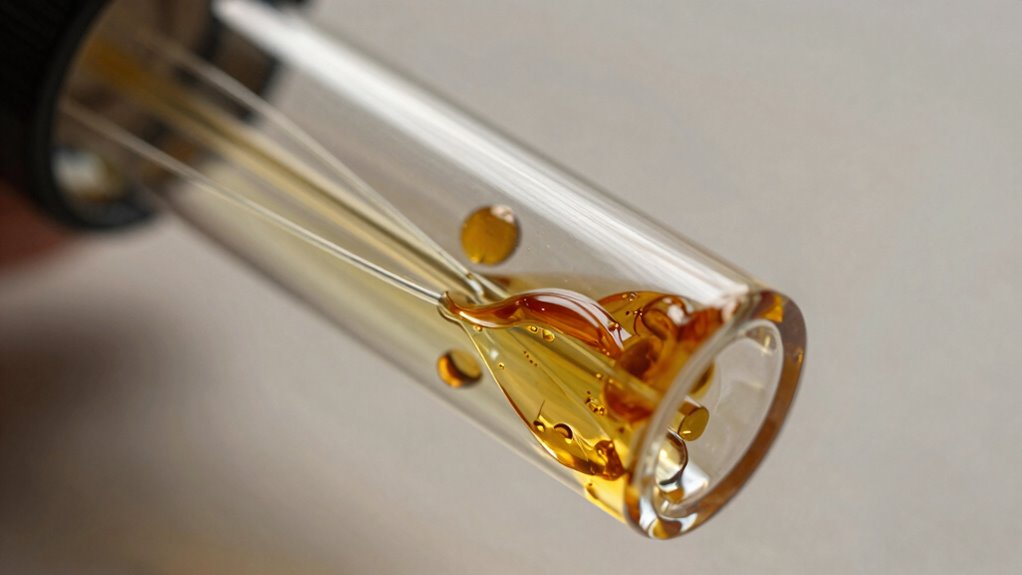

Using resins or resinous oils in your diffuser can boost aromatherapy benefits but may cause clogs if not managed properly. To prevent issues, opt for high-quality oils formulated for nebulizers, dilute concentrated resins, and add small amounts gradually. Regular cleaning of the diffuser, especially the nebulizer or ultrasonic plate, is essential to avoid buildup. If you keep these tips in mind, you’ll maintain a smooth diffusion experience and enjoy the therapeutic aromas longer. Keep exploring for more helpful tips.
Key Takeaways
- Use high-quality, resin-based oils formulated for nebulizing diffusers to minimize residue buildup.
- Dilute concentrated resins with carrier oils to reduce clogging and ease diffusion.
- Add small amounts gradually and monitor diffuser performance to prevent overload.
- Perform regular cleaning, especially of the nebulizer or ultrasonic plate, to prevent resin accumulation.
- Avoid harsh chemicals; clean with warm water and mild soap or vinegar for effective resin residue removal.

Resins in a diffuser can considerably enhance your aromatherapy experience by releasing rich, natural fragrances that fill your space. When you incorporate resinous oils into your nebulizing diffuser, you tap into a potent source of aromatic compounds that can elevate your mood, improve focus, or promote relaxation. However, to keep your diffuser functioning smoothly and to prevent issues like resin buildup, proper diffuser maintenance is essential. Resin buildup occurs when the natural oils in resins don’t fully evaporate or clear out, leading to clogs or reduced diffusion efficiency. If neglected, this can cause the diffuser to malfunction or even break, costing you more time and money in repairs or replacements.
Resins in diffusers boost aromatherapy but require regular cleaning to prevent buildup and ensure optimal performance.
To prevent resin buildup, it’s important to clean your diffuser regularly. After each use, wipe down the nozzle and any accessible parts with a soft, damp cloth to remove residual oils. Deep cleaning should be done weekly, especially if you frequently use resinous oils. Use a mixture of warm water and a mild, non-abrasive soap or a vinegar solution to break down any stubborn residue. Avoid harsh chemicals that could damage the delicate components of your diffuser. During cleaning, pay close attention to the nebulizer or ultrasonic plate, as these are common spots where resin can accumulate and cause clogs. Keeping these parts free of buildup ensures ideal diffusion performance and prolongs the life of your device. Additionally, using high-quality, resin-based oils can help minimize residue and reduce cleaning frequency.
When choosing oils to use in your diffuser, opt for high-quality resin-based oils that are specifically formulated for nebulizing diffusers. These oils tend to produce less residue and are less likely to cause clogging compared to lower-quality alternatives. Additionally, diluting concentrated resins with a carrier oil can help reduce the likelihood of residue accumulation and facilitate easier cleaning. Remember, using too much resinous oil at once can overwhelm the diffuser’s mechanisms, leading to increased resin buildup and potential clogging. A cautious approach—adding small amounts gradually—can help you better monitor the diffuser’s response and maintain a clean, efficient operation.
Ultimately, maintaining your diffuser involves a combination of careful cleaning, selecting the right oils, and monitoring how much resinous oil you add. Taking these steps ensures your diffuser continues to deliver the rich, fragrant experience you seek without interruption. Regular upkeep not only prevents resin buildup but also preserves the diffuser’s capacity to fill your space with natural, therapeutic aromas. By staying attentive to diffuser maintenance, you can enjoy the full benefits of resinous oils without the hassle of clogs or repairs.
Frequently Asked Questions
Can Resinous Oils Damage My Diffuser Over Time?
Resinous oils can potentially damage your diffuser over time if you’re not careful. They may cause buildup or clogging, making diffuser maintenance more challenging. To prevent this, make certain your diffuser is resin compatible and clean it regularly. Using high-quality, compatible oils minimizes risks. Always follow the manufacturer’s guidelines regarding resinous oils, and avoid overusing them, so your diffuser stays in good condition and functions efficiently for longer.
Are Resinous Oils Safe for Children and Pets?
Resinous oils aren’t typically safe for children and pets because of potential resin toxicity. You should prioritize pet safety by avoiding diffusing these oils around animals and kids. Many resinous oils can cause irritation or even harmful reactions if ingested or inhaled in large amounts. Always check labels, and opt for child- and pet-friendly essential oils to keep your loved ones safe and healthy.
How Often Should I Clean My Diffuser When Using Resins?
Did you know that neglecting regular diffuser cleaning can lead to clogs and reduced scent quality? When using resins, it’s best to follow a cleaning schedule of at least once a week. This helps prevent resin residue buildup, which can clog the nebulizing tips. If you notice a decrease in performance or strange odors, clean it more often—your diffuser will stay efficient and last longer.
Do Different Types of Resins Affect Diffuser Performance?
Different types of resins can impact your diffuser’s performance based on resin compatibility and diffuser material. Some resins may clog or damage certain diffuser materials, especially if they’re not designed to handle resinous oils. Always check if your diffuser is compatible with the specific resin type you’re using. Using the right combination guarantees smooth operation, prevents clogs, and prolongs the lifespan of your diffuser.
Can Resin Buildup Cause Health Issues or Allergies?
Resin buildup can cause health issues if you’re resin-sensitive or have resin allergies. When resin accumulates in your diffuser, it may release airborne particles that trigger allergic reactions or respiratory irritation. To prevent this, clean your diffuser regularly and monitor for signs of sensitivities. If you notice symptoms like sneezing, coughing, or skin irritation, consider reducing resin use and consulting a healthcare professional to guarantee your safety.
Conclusion
To prevent clogs, embrace resinous oils in your diffuser, cherish their aroma, and clean your diffuser regularly. By understanding resins’ role, by choosing high-quality oils, and by maintaining your device, you’ll guarantee a smooth, fragrant experience. Keep your diffuser clear, your oils pure, and your ambiance inviting. With these simple steps, you’ll enjoy consistent diffusion, lasting freshness, and a serene atmosphere—because when you care for your diffuser, it cares for you.