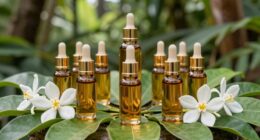

When you hear about the “citrus trap,” it means some citrus essential oils like lemon, lime, bergamot, and grapefruit can cause phototoxic reactions, making your skin burn or blister if exposed to sunlight after applying them. These oils increase your skin’s sensitivity to UV rays, especially if used undiluted or right before sun exposure. To stay safe, you should wait at least 12 to 24 hours before going outside. Keep learning to protect your skin while enjoying essential oils.
Key Takeaways
- Phototoxic essential oils, especially citrus oils like lemon and bergamot, can cause skin burns when exposed to sunlight after topical application.
- These oils contain compounds that increase skin sensitivity to UV rays, leading to redness, blistering, or burns.
- To prevent phototoxic reactions, avoid sun exposure for 12-24 hours after applying citrus essential oils to the skin.
- Safer alternatives such as lavender, peppermint, and eucalyptus do not carry phototoxic risks and can be used confidently.
- Proper dilution, timing, and awareness of citrus oils’ phototoxic potential help ensure safe and effective essential oil use.

Have you ever heard that some essential oils can cause skin reactions when exposed to sunlight? This phenomenon, known as phototoxicity, is especially common with citrus oils like lemon, lime, bergamot, and grapefruit. When applied to your skin, these oils can make you more sensitive to UV rays, leading to redness, burns, or even blistering if you go out into the sun too soon afterward. It’s a surprising risk because many people assume all natural products are inherently safe, but phototoxicity is a clear reminder that some natural alternatives require careful handling. Understanding these risks helps you make informed choices and avoid uncomfortable, and sometimes harmful, reactions.
Some essential oils, like citrus, can cause skin reactions when exposed to sunlight.
The key to staying safe is knowing the importance of safety precautions when using these oils. For example, if you’re applying citrus essential oils topically, you should wait at least 12 to 24 hours before exposing your skin to sunlight or UV rays. Wearing protective clothing, applying the oils in the evening, or diluting them more than usual can also reduce the risk of phototoxic reactions. Always read the product labels and consult reputable sources or professionals if you’re unsure about a particular oil. These precautions aren’t meant to discourage you from enjoying the benefits of essential oils—they’re simply ways to prevent adverse effects while still incorporating these natural remedies into your routine.
Instead of relying solely on citrus oils, you might want to explore other natural alternatives that don’t carry the same phototoxic risk. For instance, lavender, peppermint, or eucalyptus oils are generally considered safe for topical use without increasing UV sensitivity. These options can provide many of the benefits you seek from essential oils, like relaxation or respiratory support, without the danger of skin reactions caused by sunlight exposure. By choosing these safer options, you can enjoy the therapeutic properties of essential oils without the added worry of phototoxicity.
Ultimately, understanding the nature of phototoxic essential oils helps you use them responsibly. Recognizing that some oils, especially citrus ones, can cause skin sensitivity highlights the importance of safety precautions. This knowledge empowers you to enjoy the benefits of natural alternatives safely, whether by timing your application correctly or opting for less risky oils. Remember, just because something is natural doesn’t mean it’s without risk. Being informed allows you to incorporate essential oils into your wellness routine confidently, avoiding unpleasant surprises and keeping your skin safe while enjoying their aromatic benefits. Awareness of safety precautions is crucial when using phototoxic oils to prevent adverse reactions.

Dreo Humidifiers for Bedroom, 4L Top Fill for Large Room, 36H Runtime, 28 dB Quiet Supersized Cool Mist Air Humidifier for Baby Nursery, Plants, Indoor, Night Light, Easy to Clean & Fill, White
𝟰𝗟 𝗟𝗮𝗿𝗴𝗲 𝗧𝗮𝗻𝗸 𝗳𝗼𝗿 𝗖𝗼𝗻𝘁𝗶𝗻𝘂𝗼𝘂𝘀 𝗖𝗼𝗺𝗳𝗼𝗿𝘁: Enjoy quiet sleep without congestion, coughing, or dry mouth, DREO baby humidifier's...
As an affiliate, we earn on qualifying purchases.
Frequently Asked Questions
How Can I Safely Use Citrus Essential Oils Topically?
To safely use citrus essential oils topically, always follow dilution tips—mix a few drops with a carrier oil like coconut or jojoba. Apply using gentle techniques, such as a patch test on your skin to check for reactions. Avoid direct sunlight for at least 12 hours after application, especially on exposed skin, to prevent phototoxic reactions. These steps help you enjoy citrus oils safely and effectively.
Are All Citrus Oils Phototoxic or Only Specific Varieties?
Did you know that about 20 citrus varieties are known to have phototoxic properties? Not all citrus oils pose the same phototoxicity risk; some, like lemon and bergamot, are more prone to cause skin reactions when exposed to sunlight. So, if you’re using citrus essential oils topically, it’s wise to identify the specific citrus variety and take precautions to avoid photosensitivity, especially with high-risk varieties.
What Are the Symptoms of Phototoxic Reactions From Essential Oils?
If you experience a phototoxic reaction from essential oils, you might notice symptoms like redness, burning, or swelling on your skin after sun exposure. Symptom identification is key to recognizing a reaction early. The severity can range from mild irritation to blistering or peeling, depending on how much oil you applied and your skin’s sensitivity. Always patch test and avoid sunlight immediately after using citrus oils to prevent severe reactions.
Can Phototoxicity Occur Indoors or Only Outdoors?
A picture is worth a thousand words, so think of phototoxicity as sunlight on sensitive skin. It can definitely happen indoors if you’re exposed to indoor sunlight or UV rays through windows. UV exposure indoors isn’t as strong as outside, but it’s enough to trigger reactions if you’ve applied phototoxic essential oils. Be cautious around sunny windows, especially after using citrus oils. Protect your skin to avoid unwanted reactions.
How Long Should I Wait After Applying Citrus Oils Before Sun Exposure?
You should wait at least 12 hours after applying citrus oils before sun exposure. Make sure to apply sunscreen and dilute the oils properly to reduce phototoxic risk. If you’ve used pure citrus oils, it’s best to wait longer or avoid direct sunlight altogether. Always remember that even indoors, UV rays can cause reactions, so taking precautions like oil dilution and sunscreen application helps protect your skin effectively.

BREEZOME 6L Humidifiers for Bedroom, Cool Mist Top Fill Humidifier with Aroma Diffuser, Humidistat, Night Light, 50H Runtime, Quiet Ultrasonic Humidifiers for Home Large Room, Baby Nursery, Plants
【Never Refill Daily】With a large 6L water capacity and convenient top-fill design, our humidifier for large room runs...
As an affiliate, we earn on qualifying purchases.
Conclusion
So, next time you splash citrus oils on your skin without thinking, remember—you’re risking a fiery, blistering nightmare that could turn your day upside down! These tiny drops hold the power to transform your skin into a blazing battleground, all because you didn’t read the signs. Don’t let a moment of carelessness turn your sunny day into a disaster. Be smart, be safe, and respect the shocking power of phototoxic citrus oils—your skin will thank you!
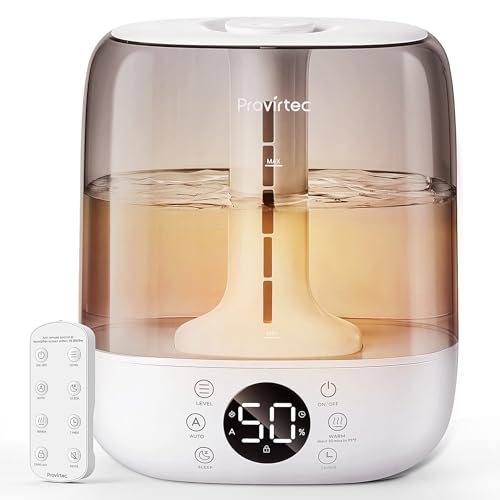
Provirtec 6L Self-Cleaning Humidifier for Large Room, CleanCare Warm & Cool Mist, No-Leak Design & Top Fill, 60 Hour Runtime, Quiet Ultrasonic Auto Mode with Remote Control for Bedroom & Home
Dual Self-Cleaning Technology for Your Family: Our advanced humidifiers for bedroom use a professional-grade water tank and constant-temperature...
As an affiliate, we earn on qualifying purchases.

DREO Humidifiers for Bedroom, 6L Easy to Fill & Clean, 60H Runtime for Large room, 28 dB Quiet Cool Mist Air Humidifier for Plant, Baby Nursery, Home, Indoor, Night Light, Precise Humidity Control
𝙎𝙖𝙮 𝙂𝙤𝙤𝙙𝙗𝙮𝙚 𝙩𝙤 𝘿𝙧𝙮 𝘿𝙖𝙮𝙨: This humidifier for large room emits a cool, 5 μm ultrafine mist up...
As an affiliate, we earn on qualifying purchases.