Essential oils, like lavender, chamomile, and bergamot, have a long-standing tradition in promoting relaxation across cultures. These natural plant extracts can help ease anxiety, foster peace, and create a calming atmosphere through diffusion or infused baths. However, it’s important to dilute oils and understand individual responses for a safe experience. Exploring the cultural significance and historical uses of essential oils can deepen your appreciation for their calming effects. Discovering more about their applications can enhance your relaxation routine.
Key Takeaways
- Essential oils like lavender, chamomile, and bergamot are widely recognized for their calming and relaxing properties.
- Historical practices, such as those in Ancient Egypt and Traditional Chinese medicine, highlight the cultural significance of essential oils in relaxation rituals.
- Aromatherapy involves safely diffusing or diluting oils to enhance relaxation without causing skin irritation.
- Individual responses to essential oils can vary, so it’s important to monitor personal reactions and preferences.
- Incorporating essential oils into daily routines can promote a holistic approach to relaxation and well-being.

When stress starts to weigh you down, essential oils can be a powerful tool for relaxation. These natural extracts, derived from plants, have been celebrated for their calming properties across various cultures. You might find yourself drawn to their soothing scents, but it’s vital to understand how to use them safely. Aromatherapy safety is vital, especially when you’re new to essential oils. Always remember to dilute oils in a carrier oil before applying them to your skin, as many essential oils can cause irritation if used undiluted.
Different cultures have employed essential oils in unique ways to promote relaxation and healing. For instance, in ancient Egyptian society, oils like frankincense and myrrh were used not just for their fragrances but also in religious ceremonies. Meanwhile, in traditional Chinese medicine, essential oils have played a significant role in holistic healing practices. Exploring these cultural uses might deepen your appreciation and understanding of the oils you choose to use.
You can experience the benefits of essential oils through a variety of methods. Diffusing them in your living space is a popular choice, creating an inviting atmosphere that promotes tranquility. You might also enjoy a warm bath infused with essential oils, a perfect way to unwind after a long day. Just remember that certain oils, like eucalyptus and peppermint, can be invigorating rather than relaxing. It’s all about finding what works best for you.
If you’re considering using essential oils for relaxation, some popular options include lavender, chamomile, and bergamot. Lavender is well-known for its calming effects, making it an excellent choice for easing anxiety and promoting sleep. Chamomile, another favorite, has been used for centuries to promote a sense of peace and relaxation. Bergamot, with its citrusy aroma, can uplift your mood while still helping you unwind.
As you explore the world of essential oils, pay attention to how they make you feel. Everyone’s response can differ, so trust your instincts. Incorporating these oils into your daily routine can lead to a more balanced and relaxed state of mind. Just remember to prioritize aromatherapy safety and be mindful of the cultural significance behind these ancient practices. Additionally, natural language processing can help businesses better understand customer preferences for essential oils, leading to more tailored product offerings. By doing so, you can fully embrace the calming benefits of essential oils and enhance your relaxation journey.

Dreo Humidifiers for Bedroom, 4L Top Fill for Large Room, 36H Runtime, 28 dB Quiet Supersized Cool Mist Air Humidifier for Baby Nursery, Plants, Indoor, Night Light, Easy to Clean & Fill, White
𝟰𝗟 𝗟𝗮𝗿𝗴𝗲 𝗧𝗮𝗻𝗸 𝗳𝗼𝗿 𝗖𝗼𝗻𝘁𝗶𝗻𝘂𝗼𝘂𝘀 𝗖𝗼𝗺𝗳𝗼𝗿𝘁: Enjoy quiet sleep without congestion, coughing, or dry mouth, DREO baby humidifier's...
As an affiliate, we earn on qualifying purchases.
Frequently Asked Questions
Can Essential Oils Interact With Medications?
Yes, essential oils can interact with medications, potentially causing drug interactions. It’s vital to be cautious when using them alongside prescribed treatments. Always consult your healthcare provider before incorporating essential oils into your routine, especially if you’re on medication. They can help guarantee your safety and guide you on the best practices. Taking these safety precautions can help you avoid adverse effects and enjoy the benefits of essential oils without risking your health.
Are There Any Side Effects of Using Essential Oils?
Yes, using essential oils can have side effects. You’ll want to take safety precautions, like diluting oils before applying them to your skin to prevent irritation. Some people might experience allergy risks, particularly if they have sensitive skin or a history of allergies. Always do a patch test before using a new oil. If you notice any adverse effects, discontinue use and consult a healthcare professional for guidance.
How Do I Choose High-Quality Essential Oils?
To select high-quality essential oils, start by sourcing organic options that are free from additives and chemicals. Look for oils that provide information about their extraction process and country of origin. Check for third-party testing to guarantee purity. For storage tips, keep your oils in dark glass bottles away from sunlight and heat to maintain their potency. Always smell the oil to gauge its freshness—good quality oils should have a strong, pleasant aroma.
Can I Use Essential Oils During Pregnancy?
When it comes to pregnancy, “better safe than sorry” rings true. You can use some essential oils during pregnancy, but you must exercise caution. Pregnancy safety is paramount, so avoid oils like clary sage and rosemary that may stimulate contractions. Opt for gentle scents, like lavender or chamomile, but always consult your healthcare provider first. Remember, essential oil precautions are critical to guarantee the health of both you and your baby.
What Is the Best Method to Apply Essential Oils?
The best methods to apply essential oils are through diffusion methods and topical application. For diffusion, you can use a diffuser to disperse the oils into the air, creating a calming atmosphere. If you prefer topical application, mix the oils with a carrier oil and gently massage them onto your skin. Always test a small area first to guarantee there’s no irritation. Enjoy the benefits while confirming you’re using them safely and effectively!

BREEZOME 6L Humidifiers for Bedroom, Cool Mist Top Fill Humidifier with Aroma Diffuser, Humidistat, Night Light, 50H Runtime, Quiet Ultrasonic Humidifiers for Home Large Room, Baby Nursery, Plants
【Never Refill Daily】With a large 6L water capacity and convenient top-fill design, our humidifier for large room runs...
As an affiliate, we earn on qualifying purchases.
Conclusion
In a world buzzing with stress and chaos, essential oils offer a fragrant escape, blending ancient traditions with modern science. Just as a sunset calms the day, these oils soothe your mind and body, inviting peace amidst life’s storms. Whether you’re winding down after a hectic day or seeking a moment of tranquility in a busy week, embracing the power of essential oils can transform your space into a sanctuary, reminding you that relaxation is always within reach.
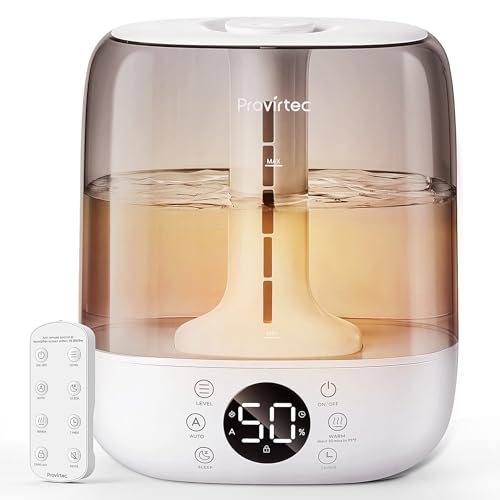
Provirtec 6L Self-Cleaning Humidifier for Large Room, CleanCare Warm & Cool Mist, No-Leak Design & Top Fill, 60 Hour Runtime, Quiet Ultrasonic Auto Mode with Remote Control for Bedroom & Home
Dual Self-Cleaning Technology for Your Family: Our advanced humidifiers for bedroom use a professional-grade water tank and constant-temperature...
As an affiliate, we earn on qualifying purchases.

LEVOIT Top Fill Humidifiers for Bedroom, 2.5L Tank for Large Room, Easy to Fill & Clean, 28dB Quiet Cool Mist Air Humidifier for Home Baby Nursery & Plants, Auto Shut-off for Safety, 25H
𝙁𝙖𝙨𝙩 𝙃𝙪𝙢𝙞𝙙𝙞𝙛𝙞𝙘𝙖𝙩𝙞𝙤𝙣 𝘼𝙡𝙡 𝙉𝙞𝙜𝙝𝙩: Runs for up to 25 hours on low thanks to its SUPER LARGE capacity...
As an affiliate, we earn on qualifying purchases.