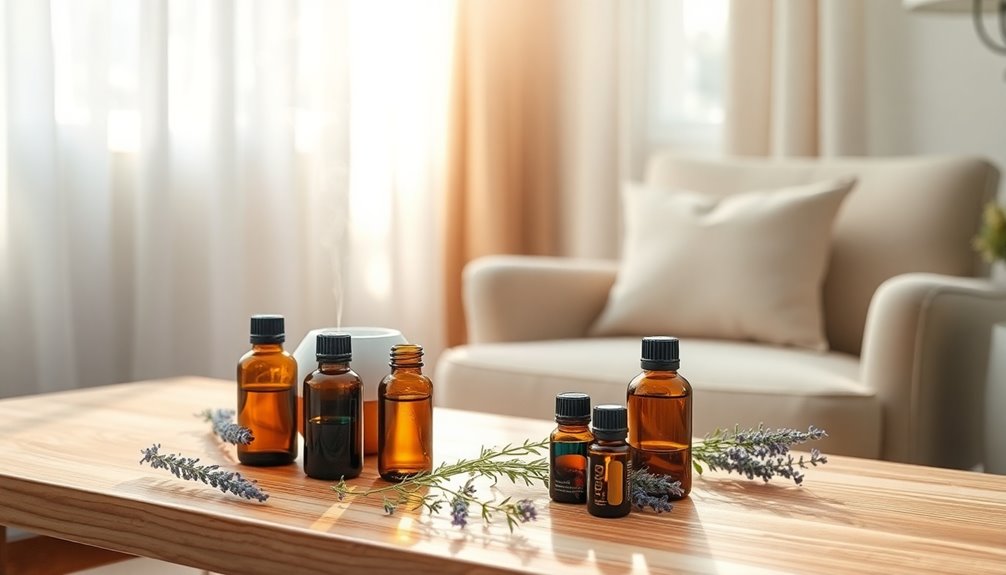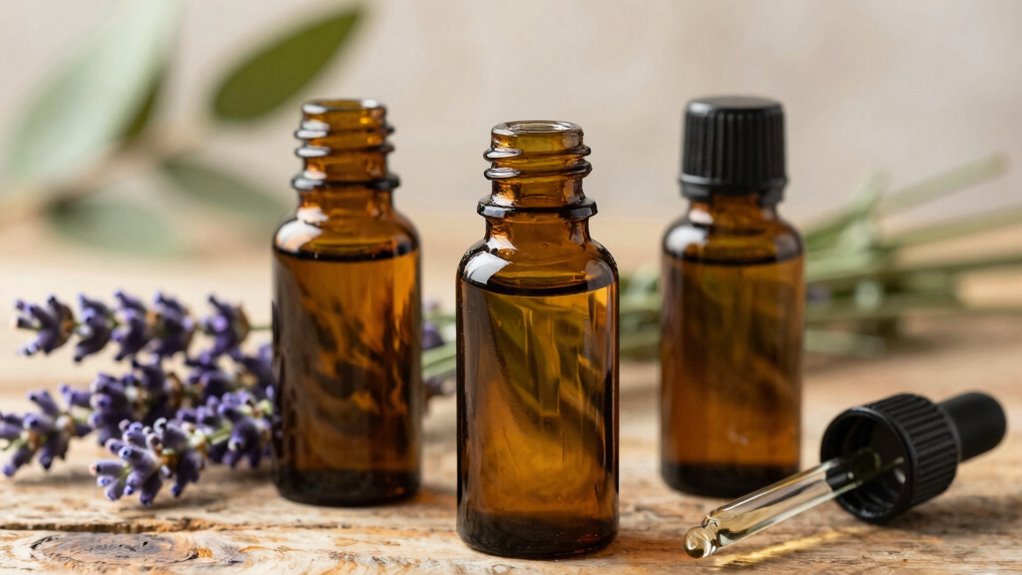

To understand essential oil batch differences, consider how factors like plant source, harvest time, and growing conditions change the oil’s chemical makeup. Distillation methods also influence the aroma and properties, with temperature, duration, and equipment playing roles. Variations in raw materials and production practices further add to batch differences. Recognizing these elements can help you appreciate the natural diversity in essential oils and guides you to better identify quality. Exploring this further will deepen your understanding.

Get oils, diffusers and self-care delivered free with Prime
- Fast, free delivery on millions of items
- Prime Video, Amazon Music and more included
- Member-only deals all year
Key Takeaways
- Recognize that botanical variations, such as climate and soil, naturally influence essential oil profiles.
- Understand that distillation parameters like temperature and duration impact the chemical makeup of the oil.
- Consider that production practices and equipment consistency affect batch-to-batch differences.
- Acknowledge that raw material variability due to environmental factors causes inherent fluctuations in oil composition.
- Accept that natural diversity is expected, and quality can be maintained through standardized processes.

When you’re working with essential oils, understanding why batches can vary is vital to ensuring quality and consistency. One of the main reasons for these differences stems from botanical variations. Plants, even of the same species, can differ based on factors like soil quality, climate, harvest time, and plant maturity. These subtle differences influence the chemical makeup of the essential oils extracted. For example, a lavender plant grown in a cooler climate may produce a different scent profile and chemical composition than one grown in a warmer region. Recognizing these botanical variations helps you appreciate why two bottles labeled as the same oil might have slight differences in aroma, potency, or therapeutic properties. Additionally, botanical variations are a natural aspect of plant-derived products, emphasizing the importance of understanding their impact on essential oil quality.
Another critical factor is the distillation process itself. Essential oils are typically obtained through steam or water distillation, and slight variations in these processes can significantly impact the final product. The temperature, duration, and pressure during distillation are all variables that can alter the oil’s composition. For instance, longer distillation times might extract more aromatic compounds but could also result in a different balance of constituents compared to a shorter process. Similarly, high temperatures can cause some delicate molecules to break down or evaporate, changing the oil’s scent and effectiveness. Even differences in equipment or technique between distillers can lead to noticeable batch-to-batch variations. Distillation methods play a crucial role in the final chemical profile of the oils, underscoring the importance of understanding these techniques. Furthermore, standardized production practices can help minimize some of these variations, ensuring more consistent results over time. Additionally, natural fluctuations in the plant’s chemical constituents and the variability in raw materials** contribute to the unique profile of each batch, highlighting the natural diversity** inherent in plant-based products.
As an affiliate, we earn on qualifying purchases.
Frequently Asked Questions
Can Batch Differences Affect Essential Oil Safety?
Yes, batch differences can affect essential oil safety. Variations in batch labeling and storage conditions may impact the oil’s purity and potency, potentially leading to adverse reactions. If an oil isn’t stored properly or batch labels are unclear, you might unknowingly use a product that’s compromised or unsafe. Always check batch information and store oils in a cool, dark place to guarantee safety and maintain their therapeutic properties.
How Do Climate Changes Influence Batch Variations?
You might think climate variability is harmless, but it’s like nature’s wild card for your essential oils. Changes in harvest timing caused by unpredictable weather can lead to batch variations, impacting scent, potency, and safety. As climate shifts, plants develop differently, meaning each batch could fluctuate wildly. So, while it seems minor, these climate-driven changes subtly alter your oils, reminding you that even Mother Nature has her unpredictable moods.
Are Batch Differences Noticeable in Scent or Potency?
Batch differences in essential oils can be noticeable in scent consistency and potency fluctuations. You might find that some batches have a slightly different aroma or a weaker or stronger effect. These variations are common due to factors like climate and harvesting methods. To guarantee you get the desired quality, test each batch and store oils properly. Recognizing these differences helps you select oils that meet your expectations consistently.
Do Supplier Practices Impact Oil Batch Consistency?
Yes, supplier practices greatly impact oil batch consistency. When suppliers prioritize transparency and follow strict quality assurance protocols, they guarantee each batch maintains consistent scent, potency, and purity. By choosing suppliers with clear transparency about their sourcing and testing processes, you can trust that the oils you receive are uniform across batches. Reliable quality assurance measures reduce variations, so your essential oils consistently meet your expectations and needs.
Can Batch Differences Alter the Therapeutic Benefits?
Batch differences can subtly influence the therapeutic benefits you experience. Variations in extraction methods and storage conditions may cause slight shifts in the oil’s chemical profile, impacting its efficacy. You might notice that some batches feel more potent or soothing than others. By paying attention to these factors, you can better select oils that deliver consistent benefits, ensuring your wellness routine remains effective and trustworthy.
Conclusion
Don’t let batch differences discourage you from exploring essential oils. While slight variations are normal due to factors like harvest timing and distillation methods, they don’t mean your oils are inferior. Instead, see them as part of the natural, living essence of each batch. Trust your senses and your supplier’s quality standards. Embrace the uniqueness of each batch, and you’ll deepen your connection to these powerful, aromatic remedies.
Halloween Picks
halloween
As an affiliate, we earn on qualifying purchases.