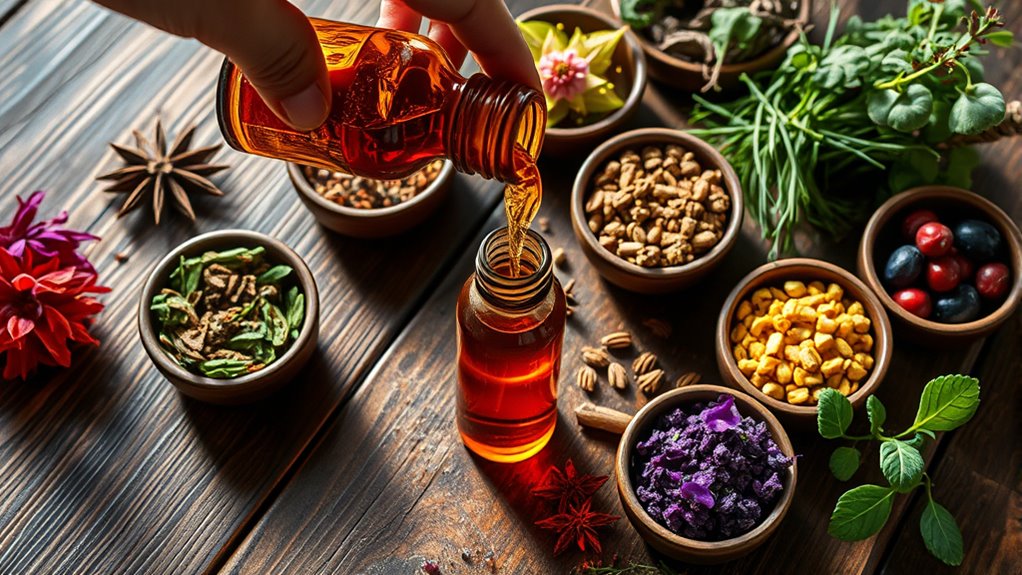
To create your own aromatherapy blends, start by choosing essential oils based on their therapeutic effects and scents you enjoy. Use simple ratios, like three drops of your main oil combined with one or two drops of complementary oils. Always test your blends with patch tests if applying topically, and store them in dark bottles. Properly blending and experimenting with different combinations can help you tailor scents to suit your mood or needs—continue exploring to master the art of blending.
Key Takeaways
- Start with a carrier oil like jojoba or coconut to dilute essential oils for topical blends.
- Use simple ratios, such as three drops of main oil with one or two drops of complementary oils.
- Test blends through patch tests and keep detailed records of ratios and effects.
- Begin with small amounts, adjust ratios based on personal preference and desired therapeutic effects.
- Label and store blends in clean, dark containers to maintain quality and ensure reproducibility.
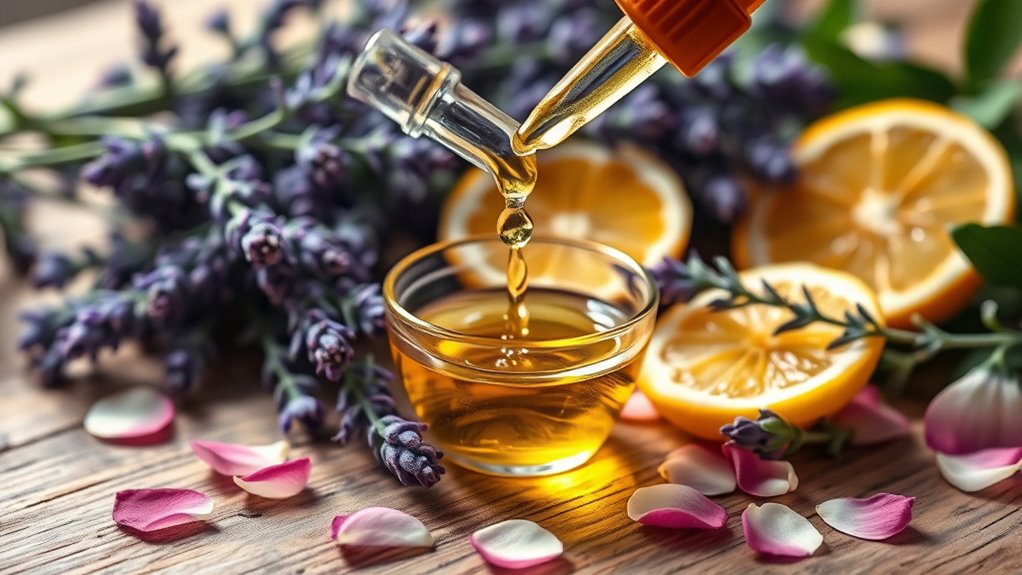
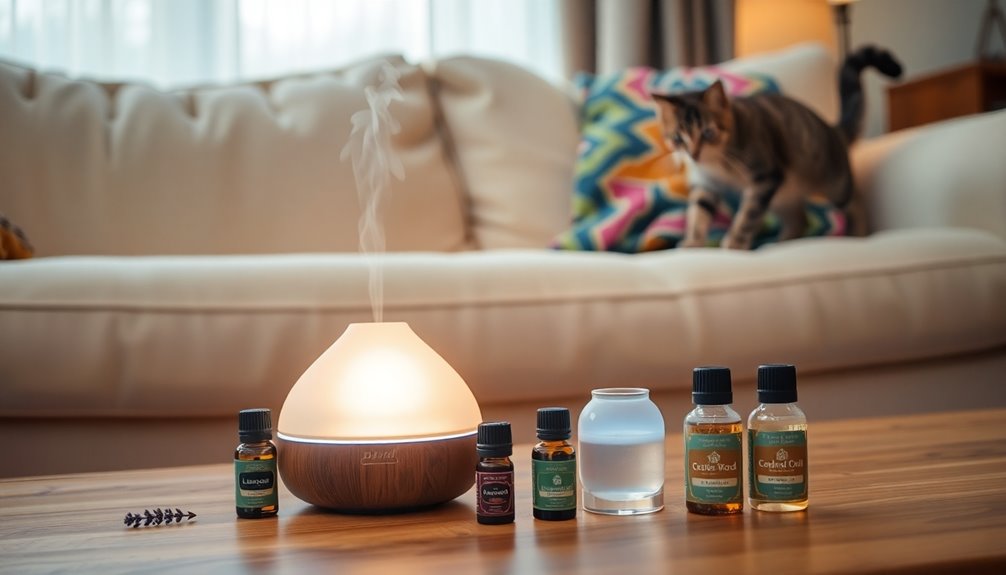
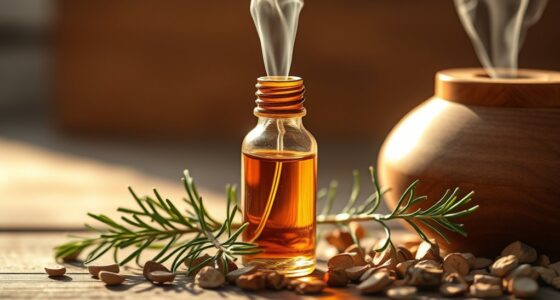
Aromatherapy blends harness the power of essential oils to promote relaxation, boost energy, and improve overall well-being. When creating your own blends, it’s important to understand how diffuser techniques can help you maximize their effects. Diffusing essential oils allows you to enjoy their therapeutic properties throughout your space, but the way you approach diffuser use can make a big difference. For example, if you want a calming atmosphere, you might choose a gentle, slow diffusion method with oils like lavender or chamomile. Conversely, for an energizing boost, a more vigorous diffusion with citrus or peppermint oils can invigorate your senses. Pay attention to the diffuser’s settings, duration, and placement; keeping it away from direct contact with skin and avoiding overuse guarantees you get the benefits without overwhelming your senses. Proper diffuser use and understanding aromatherapy techniques can enhance your experience significantly. Using the right diffuser types can also influence how effectively the oils disperse and how long their effects last. Additionally, selecting quality essential oils from reputable sources ensures the purity and potency needed for safe and effective blends. As you blend your oils, always prioritize essential oil safety. Not all oils are safe for everyone, especially children, pregnant women, or pets. Always dilute potent oils and start with small amounts to assess your tolerance. When experimenting with different combinations, research each oil’s safety profile and avoid blending oils that may cause sensitivities or adverse reactions. Remember that some essential oils can be photosensitive, so avoid applying certain blends before sun exposure. Proper storage in dark glass bottles and keeping blends out of reach of children are also key safety measures. Incorporating aromatherapy education can help you better understand the safe practices involved. To further enhance your DIY blends, consider space organization techniques to keep your essential oils and accessories neatly stored and easily accessible. Creating your own aromatherapy blends is both an art and a science. Begin by selecting a base oil or carrier, such as jojoba or fractionated coconut oil, if you plan to use your blend topically. For diffusion, pure essential oils work best. Start with a simple ratio—perhaps three drops of your primary scent combined with one or two drops of complementary oils—and adjust according to your preference. Use a glass or stainless steel diffuser to prevent reactions with plastic components. When testing your blends, do a patch test on your skin if applying topically, and always keep track of your formulas so you can recreate or modify them later.

Dreo Humidifiers for Bedroom, 4L Top Fill for Large Room, 36H Runtime, 28 dB Quiet Supersized Cool Mist Air Humidifier for Baby Nursery, Plants, Indoor, Night Light, Easy to Clean & Fill, White
𝟰𝗟 𝗟𝗮𝗿𝗴𝗲 𝗧𝗮𝗻𝗸 𝗳𝗼𝗿 𝗖𝗼𝗻𝘁𝗶𝗻𝘂𝗼𝘂𝘀 𝗖𝗼𝗺𝗳𝗼𝗿𝘁: Enjoy quiet sleep without congestion, coughing, or dry mouth, DREO baby humidifier's...
As an affiliate, we earn on qualifying purchases.
Frequently Asked Questions
How Long Do Homemade Essential Oil Blends Last?
Your homemade essential oil blends typically last about 6 months to a year, depending on ingredients and storage. To maximize shelf life, store them in dark glass bottles away from direct sunlight and heat. Keep lids tightly sealed and avoid exposing blends to air. Proper storage tips help preserve their scent and therapeutic properties, ensuring you enjoy your custom aromatherapy mixes for as long as possible.
Can I Mix Different Brands of Essential Oils Safely?
Imagine you’re blending lavender from Brand A with peppermint from Brand B. You might wonder if mixing different brands is safe. Generally, it’s okay if the oils are pure and therapeutic grade, but brand compatibility affects blending safety. Always check for additives or differences in extraction methods. To stay safe, test small amounts first, and prefer brands with transparent sourcing. This way, you guarantee your blend is both effective and safe.
What Are Common Carrier Oils Used in Blending?
When blending essential oils, you’ll want to take into account carrier oil types for safe dilution and effective blending. Common options include jojoba, sweet almond, coconut, grapeseed, and avocado oils. These carrier oils help ensure blending safety by reducing skin irritation and allowing your essential oils to absorb properly. Always choose high-quality, pure carrier oils, and follow recommended dilution guidelines to create safe, effective aromatherapy blends that suit your needs.
Are There Any Essential Oils I Should Avoid Blending?
Think of blending essential oils like walking a tightrope—you need balance and awareness. Some oils, like citrus or eucalyptus, can cause skin irritation or photosensitivity if not properly diluted. To guarantee blending safety, always check dilution ratios and avoid mixing potent oils with contraindications. Research each oil’s properties beforehand, and when in doubt, consult a professional. This way, your aromatherapy journey stays safe and harmonious.
How Do I Test for Allergic Reactions Before Use?
To test for allergic reactions, do a patch test first. Apply a small amount of diluted essential oil to your skin, usually on your inner forearm or behind your ear. Cover it with a bandage and wait 24 hours. If you notice redness, itching, or swelling, it indicates skin sensitivity. Avoid using that oil further, and always perform patch tests before trying new essential oils.

BREEZOME 6L Humidifiers for Bedroom, Cool Mist Top Fill Humidifier with Aroma Diffuser, Humidistat, Night Light, 50H Runtime, Quiet Ultrasonic Humidifiers for Home Large Room, Baby Nursery, Plants
【Never Refill Daily】With a large 6L water capacity and convenient top-fill design, our humidifier for large room runs...
As an affiliate, we earn on qualifying purchases.
Conclusion
Now that you know how to blend essential oils, you’re ready to craft personalized aromatherapy experiences. Remember, research shows that over 80% of users find scent blending enhances their mood and relaxation. So don’t hesitate to experiment and find what works best for you. With a little practice, you’ll create powerful, calming, or invigorating blends that truly elevate your well-being. Trust your nose, and enjoy the journey of scent creation!
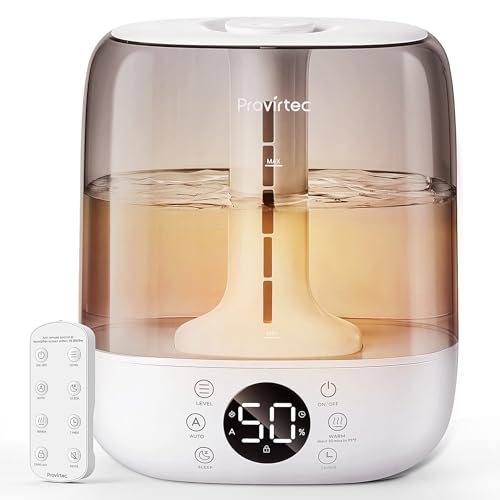
Provirtec 6L Self-Cleaning Humidifier for Large Room, CleanCare Warm & Cool Mist, No-Leak Design & Top Fill, 60 Hour Runtime, Quiet Ultrasonic Auto Mode with Remote Control for Bedroom & Home
Dual Self-Cleaning Technology for Your Family: Our advanced humidifiers for bedroom use a professional-grade water tank and constant-temperature...
As an affiliate, we earn on qualifying purchases.

DREO HM735S 11L Smart Humidifier Large Room 700 ft², 100H Cool Mist Air Humidifiers for Bedroom, Top-Fill, Clean Tank Technology, 26dB, Auto Mode, Aroma Box, RGB, Remote & APP Control, Baby, White
100-𝙝𝙤𝙪𝙧 𝙍𝙪𝙣𝙩𝙞𝙢𝙚, 𝙇𝙖𝙨𝙩𝙞𝙣𝙜 𝘾𝙤𝙢𝙛𝙤𝙧𝙩: Enjoy uninterrupted comfort with our DREO air humidifier’s impressive 4-day runtime and 2.9-gallon tank....
As an affiliate, we earn on qualifying purchases.