
Before connecting HVAC diffusers to vents in your central air system, confirm they are clean, properly aligned, and securely attached. Inspect for dust, mold, or blockages and clean them with a soft brush or mild soap. Verify the diffusers match your system’s size and capacity to prevent airflow issues. Proper adjustment of dampers and louvers helps maintain safety, comfort, and efficiency. Continuing further will help you master essential tips for safe and effective diffuser installation.
Key Takeaways
- Inspect diffusers for dust, mold, and damage; clean regularly to prevent airflow issues and improve indoor air quality.
- Ensure diffusers are properly aligned and securely attached to vents before connection.
- Check that damper and louver controls function correctly for safe airflow regulation.
- Confirm diffuser size and capacity match HVAC system specifications to prevent discomfort and noise.
- Follow manufacturer guidelines and consider professional assistance for proper installation and safety compliance.
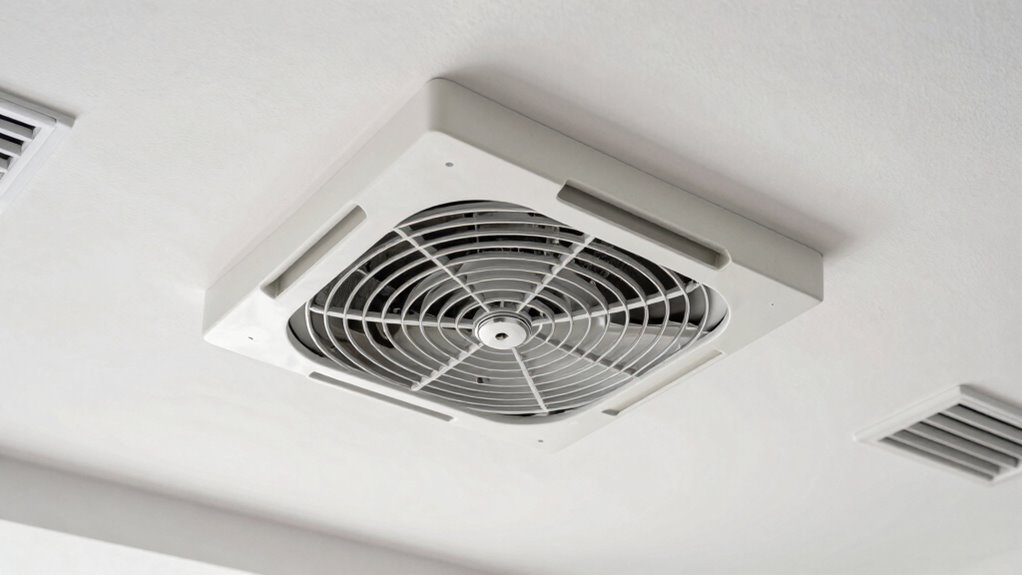
HVAC diffusers play a crucial role in maintaining indoor air quality and comfort, but their safety is often overlooked. When you’re preparing to connect to vents in your central air system, understanding how diffusers influence airflow regulation is essential. Proper airflow ensures your home remains comfortable without overworking the system, which can lead to energy waste and potential safety issues. Diffuser maintenance is key to keeping these components functioning correctly. Neglecting routine checks can cause dust buildup, mold growth, or blockages that compromise air quality and system safety.
You should regularly inspect your diffusers to ensure they’re clean and free from debris. Dirty diffusers can restrict airflow, causing uneven heating or cooling and putting extra strain on your HVAC system. Over time, accumulated dust and dirt can also become a breeding ground for bacteria or mold, which can circulate through your home’s air. To prevent this, you need to implement diffuser maintenance practices such as removing and cleaning the diffusers every few months. Use a soft brush or vacuum attachment to gently clear dust, and wash with mild soap if necessary. This simple step can greatly improve indoor air quality and prolong the lifespan of your system. Regular diffuser inspection helps catch issues early before they become serious problems.
When connecting to vents, it’s important to verify that the diffusers are properly aligned and securely attached. Loose or misaligned diffusers can disrupt airflow regulation, leading to inefficient heating or cooling. This not only reduces comfort but can also cause your system to work harder, increasing energy costs and wear on components. Before installation, check that the diffuser’s damper or adjustable louvers are functioning correctly. These features help you control airflow direction and volume, which is essential for balancing indoor temperatures and maintaining safety. Correctly adjusted diffusers prevent hotspots or cold drafts and ensure your HVAC system operates smoothly.
Another critical aspect is ensuring that the diffusers are compatible with your system’s airflow requirements. An undersized diffuser may restrict airflow, while an oversized one can cause excessive air movement, leading to noise and discomfort. When connecting diffusers, take the time to match their specifications with your system’s capacity. Proper airflow regulation not only improves comfort but also prevents undue stress on your HVAC components, helping you avoid costly repairs or replacements down the line. Always follow manufacturer guidelines for installation and maintenance, and consider consulting a professional if you’re unsure about the correct diffuser size or placement.
Frequently Asked Questions
How Often Should HVAC Diffusers Be Inspected for Safety?
You should inspect your HVAC diffusers at least once a year for safety and airflow maintenance. During these inspections, check for dust buildup, debris, and any signs of damage. Remember to replace filters regularly, ideally every 1-3 months, to guarantee ideal airflow and prevent blockages. Proper inspection and filter replacement keep your system running efficiently and safely, reducing the risk of air quality issues or potential hazards.
Are There Any Health Risks Associated With Diffuser Placement?
Think of your diffuser as the lungs of your home—poor placement can threaten air quality and cause airflow disruption. If placed improperly, it may circulate dust, mold, or allergens, risking health. Make certain diffusers are positioned away from bedrooms and vents are clean, so fresh air flows efficiently. Proper placement and maintenance keep your home’s air healthy, reducing potential respiratory issues and enhancing overall comfort.
Can DIY Adjustments Compromise Diffuser Safety?
Yes, DIY adjustments can compromise diffuser safety if you’re not careful. Common DIY pitfalls include using inappropriate tools, forcing parts, or improper sealing, which can cause diffuser damage or reduce airflow efficiency. Always follow manufacturer instructions and avoid making modifications without proper knowledge. If you’re unsure, it’s best to consult a professional to prevent damage that could lead to costly repairs or safety issues later on.
What Signs Indicate a Diffuser Is Unsafe?
You can tell a diffuser is unsafe if you notice airflow obstruction, which reduces efficiency and comfort. Look for signs like uneven cooling, strange noises, or rattling, indicating material deterioration or loose parts. Cracks, corrosion, or discoloration are clear warnings of potential failure. If you see these issues, stop using the diffuser and get it inspected or replaced to prevent further damage or safety hazards.
Who Should I Contact for Professional Diffuser Safety Assessment?
Like a trusted guide, you should contact a licensed HVAC professional or an indoor air quality specialist for a diffuser safety assessment. They’ll check if your diffuser material meets installation standards and guarantee it’s safe for your home. These experts have the right tools and knowledge to identify potential hazards, giving you peace of mind that your central air system is operating safely and efficiently.
Conclusion
Before you connect to vents, remember that safety isn’t just a detail—it’s the foundation of a comfortable, healthy home. Think of your HVAC diffuser as the heartbeat of your air system; neglecting it can cause silent disruptions. By ensuring proper installation and maintenance, you protect your loved ones from unseen hazards. Don’t let overlooked safety turn your home into a battleground—take action now, because your peace of mind is worth more than any shortcut.