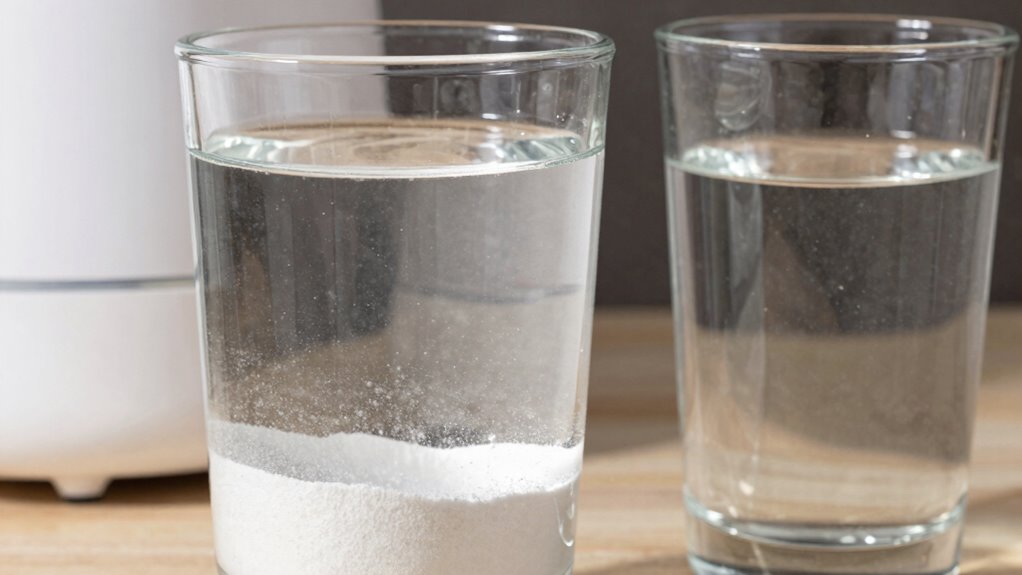
Using tap water in your humidifier can leave white dust and mineral buildup, which may clog the device and reduce air quality. Tap water often contains minerals like calcium and magnesium that cause these issues, whereas distilled or filtered water minimizes mineral deposits and white dust formation. Choosing the right water helps protect your humidifier and promotes healthier indoor air. If you want to learn more about water quality and how it impacts your humidifier, keep exploring.

Get oils, diffusers and self-care delivered free — and shop member deals
- Fast, free delivery on millions of items
- Access to Prime Big Deal Days deals on October 6–7
- Prime Video, Amazon Music and more included
Key Takeaways
- Tap water contains minerals like calcium and magnesium, which cause white dust when vaporized in humidifiers.
- Distilled water is mineral-free, preventing white dust and reducing mineral buildup inside the device.
- Using tap water can lead to mineral deposits, clogging filters and decreasing humidifier efficiency.
- Mineral-rich tap water increases the risk of bacteria growth, potentially releasing harmful mist into indoor air.
- Choosing distilled or filtered water improves humidifier performance and promotes healthier indoor air quality.
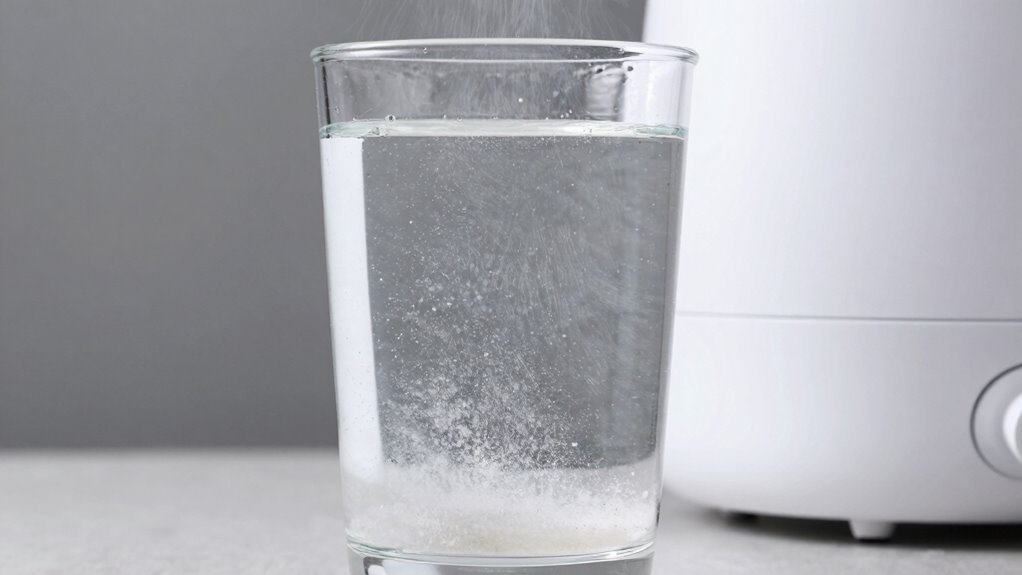
Have you ever considered how the quality of water in your humidifier affects your health and the device’s performance? The type of water you use can make a significant difference, especially when it comes to water mineral content. Tap water often contains minerals like calcium and magnesium, which can leave behind white dust when the humidifier disperses mist. This mineral residue isn’t just a minor inconvenience; it can also clog your device’s filters and reduce its lifespan. furthermore, as minerals accumulate inside your humidifier, they create a breeding ground for bacteria growth, which can then be released into the air you breathe. Breathing in bacteria-laden mist may cause respiratory issues or worsen allergy symptoms, especially if your humidifier isn’t cleaned regularly. Using water mineral content plays a crucial role in maintaining your humidifier and indoor air quality.
As an affiliate, we earn on qualifying purchases.
Frequently Asked Questions
Can White Dust Harm My Respiratory Health?
Yes, white dust from humidifiers can harm your respiratory health. When inhaled, it may cause respiratory irritation and contribute to lung inflammation, especially if you have allergies or asthma. The dust particles are often minerals from tap water, which can irritate your airways. To protect yourself, consider using distilled water or filtered options to reduce mineral content and minimize the risk of respiratory issues.
How Often Should I Clean My Humidifier?
Ever wonder if neglecting humidifier maintenance could impact your health? You should clean your humidifier at least once a week to prevent mold, bacteria, and mineral buildup. Regular cleaning, including changing the water daily and disinfecting components, guarantees ideal functioning and air quality. Skipping cleaning increases white dust and respiratory risks. So, stay proactive—maintain your humidifier’s cleanliness and enjoy healthier, cleaner air every day.
Is Distilled Water More Cost-Effective Long-Term?
Distilled water can be more cost-effective long-term because it reduces mineral buildup, which means less frequent cleaning and less damage to your humidifier. While the initial cost may be higher, the savings on maintenance and replacements make it a smart choice. Over time, you’ll likely spend less on repairs and replacements, making distilled water a better option for long-term savings and consistent performance.
What Are the Signs of Mineral Buildup in My Humidifier?
Imagine noticing water discoloration or white dust settling on surfaces—these are signs of mineral buildup. You’ll see mineral deposits inside the humidifier’s tank or on the filter, and the mist may become less effective. If you spot these signs, it’s time to clean your humidifier thoroughly to prevent further mineral deposits. Regular maintenance keeps your device running smoothly and guarantees healthy, clean mist for your space.
Does Filtered Tap Water Eliminate White Dust Completely?
Filtered tap water can considerably reduce white dust caused by minerals, but it may not eliminate it completely. Tap water minerals can still linger depending on the filter’s quality, so white dust prevention might require using distilled water or high-quality filters. To keep your humidifier clean and dust-free, consider regularly changing filters and using distilled water when possible, ensuring the best air quality and minimal mineral buildup.
Conclusion
When you choose between distilled and tap water for your humidifier, you’re guiding the delicate dance of mist and purity. Tap water, like a stubborn painter, leaves behind a white dust—an unwelcome signature on your home’s canvas. Opt for distilled water, and you clear the fog, inviting a pristine, whispering gust of freshness. Your air becomes a gentle symphony, free of residue—turning everyday humidity into a pure, harmonious embrace.
Fall Picks
fall essentials
As an affiliate, we earn on qualifying purchases.