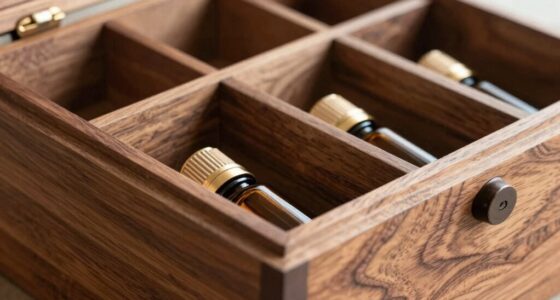
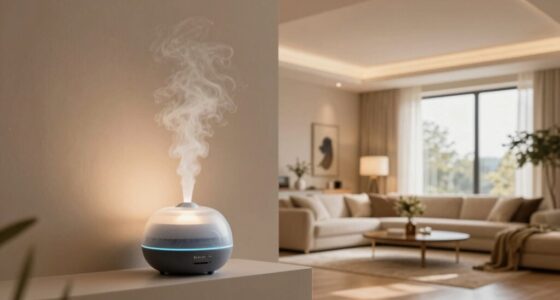
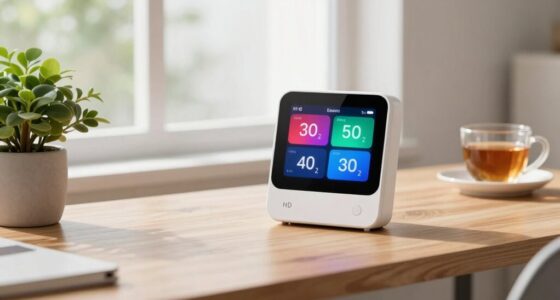
A humidifier adds moisture to the air, perfect for preventing dry skin and respiratory issues, especially in winter. In contrast, a diffuser disperses essential oils, enhancing your mood and promoting relaxation through aromatherapy. Both devices each play specific roles in creating a comfortable indoor environment. If you’re curious about how to choose the right one for your needs, there’s more to explore on combining these devices for the best indoor air quality.

Get oils, diffusers and self-care delivered free — and shop member deals
- Fast, free delivery on millions of items
- Access to Prime Big Deal Days deals on October 6–7
- Prime Video, Amazon Music and more included
Key Takeaways
- Humidifiers add moisture to the air, making them ideal for addressing dryness and respiratory issues.
- Diffusers disperse essential oils, enhancing mood and providing aromatherapy benefits.
- Humidifiers help alleviate dry skin and protect wooden furniture from cracking.
- Diffusers promote relaxation and well-being through calming aromatic compounds.
- Combining both devices can create a holistic indoor environment for comfort and relaxation.
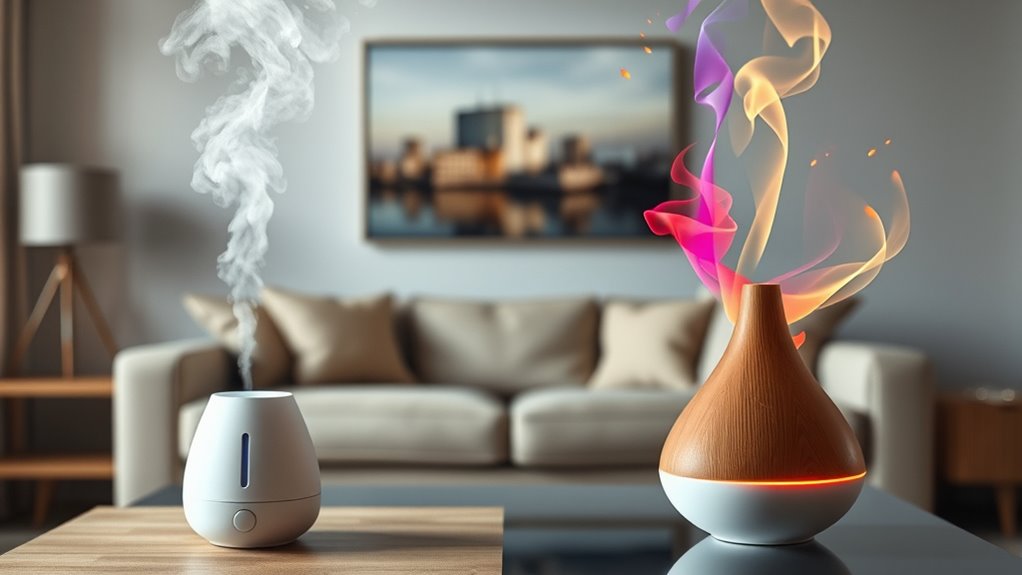
When you’re considering ways to enhance your indoor air quality, you might wonder whether a humidifier or a diffuser is the better option for your space. Both devices serve different purposes, and understanding their functions can help you make an informed decision. A humidifier adds moisture to the air, which can be especially beneficial in dry climates or during winter months. By increasing humidity levels, you can alleviate dry skin, reduce respiratory issues, and even protect wooden furniture. If you’re struggling with allergies or asthma, a humidifier might be the right choice for improving your air quality.
On the other hand, diffusers are designed to disperse essential oils into the air, providing not just pleasant scents but also aromatherapy benefits. When you inhale these aromatic compounds, they can have a positive impact on your mood and well-being. For instance, lavender is known for its calming effects, while eucalyptus can help clear your sinuses. If you’re looking for an option that enhances both air quality and your mental state, a diffuser could be the better choice.
Diffusers disperse essential oils, enhancing air quality and promoting well-being through aromatic benefits like relaxation and sinus relief.
While both devices can improve your indoor environment, they address different aspects of air quality. If your primary concern is humidity, a humidifier will help maintain ideal moisture levels, reducing static electricity and creating a more comfortable atmosphere. However, if you want to enjoy the therapeutic effects of essential oils while also improving air quality, a diffuser is ideal. Additionally, using air purifiers can further enhance your space by removing allergens and pollutants from the air.
Moreover, you can even combine the two for a holistic approach. Using a humidifier to maintain adequate moisture in the air while incorporating a diffuser for aromatherapy can help you achieve both comfort and a peaceful ambiance. Just be cautious about the essential oils you choose, as some may not be suitable for use in a humidifier.
Ultimately, your decision depends on your specific needs and preferences. If you suffer from dry air-related issues, prioritize a humidifier. But if you’re after relaxation and mood enhancement, a diffuser is your best bet. Consider what benefits you’re most interested in, and you’ll find the right device to create an inviting and healthy indoor environment.
humidifier for dry skin and respiratory health
As an affiliate, we earn on qualifying purchases.
As an affiliate, we earn on qualifying purchases.
Frequently Asked Questions
Can I Use Essential Oils in a Humidifier?
You shouldn’t use essential oils in a humidifier unless it’s specifically designed for that. Most humidifiers aren’t compatible with essential oils, which can damage the device or void the warranty. If you want to enjoy essential oils, consider using a diffuser instead. Remember, proper device maintenance is vital to keep your humidifier running efficiently, so always follow the manufacturer’s guidelines to avoid any issues.
How Do I Clean My Humidifier or Diffuser?
Imagine a crystal-clear lake reflecting the sky, free of debris. To keep your humidifier or diffuser in top shape, establish a regular cleaning schedule. Start by unplugging it and emptying the water reservoir. Mix equal parts vinegar and water, fill the reservoir, and let it sit for 30 minutes. Rinse thoroughly, and wipe down the surfaces. Regular maintenance guarantees you breathe fresh air, free from mold and bacteria.
Which Is Better for Allergies: Humidifier or Diffuser?
A humidifier is generally better for allergies because it improves air quality by adding moisture to the air, helping to soothe irritated nasal passages and reduce congestion. This can provide significant allergy relief, especially in dry conditions. While a diffuser disperses essential oils, it doesn’t address humidity levels, which can be vital for those suffering from allergies. So, if you’re looking for comfort during allergy season, stick with a humidifier.
How Long Do Humidifiers and Diffusers Last?
Humidifiers typically last about 5 to 10 years, while diffusers can last around 3 to 5 years. You’ll find that regular maintenance is key for both—clean them weekly to extend their lifespan. The lifespan comparison shows that humidifiers generally have a longer duration, but proper care can boost a diffuser’s longevity too. By keeping them clean, you’re ensuring they work effectively and serve you well for years to come.
Do Humidifiers and Diffusers Consume a Lot of Electricity?
Humidifiers and diffusers don’t consume much electricity, so you won’t see a huge spike in your energy bills. Their energy consumption is generally low, especially newer models designed for electrical efficiency. If you use them intermittently, their impact on your electricity usage is minimal. Just be mindful of the settings you choose, as running them continuously at high settings can increase energy consumption slightly, but overall, they’re quite economical.
Conclusion
In essence, humidifiers and diffusers serve different purposes, but both can elevate your space. Humidifiers add moisture to the air, making it feel like a tropical paradise, while diffusers disperse essential oils for a calming atmosphere. Depending on your needs, you might choose one over the other, or even better, use both to create an oasis in your home. So, whether you want to breathe easier or relax more, knowing the difference is key!
Fall Picks
fall essentials
As an affiliate, we earn on qualifying purchases.