
When you inhale essential oils, scent molecules travel through your nasal passages directly to your brain’s limbic system, the center of emotion and memory. This connection influences your mood, reduces stress, and can improve physical health by triggering neurotransmitter release and calming your nervous system. Certain scents remind you of memories or feelings, enhancing their impact. To learn how this powerful process works and how you can use it safely, keep exploring the science behind aromatherapy.
Key Takeaways
- Aromatic compounds from essential oils reach the brain via olfactory receptors, directly stimulating the limbic system that governs emotions and memories.
- Inhaled scents can trigger neurotransmitter release, such as serotonin and dopamine, promoting relaxation and reducing anxiety.
- Certain essential oils support physical health by opening airways, reducing inflammation, and strengthening the immune system through scent-triggered responses.
- Specific aromas evoke emotional memories and feelings, enhancing therapeutic effects through personalized scent associations.
- Proper diffusion, dilution, and usage of essential oils optimize their benefits while ensuring safety in aromatherapy practices.
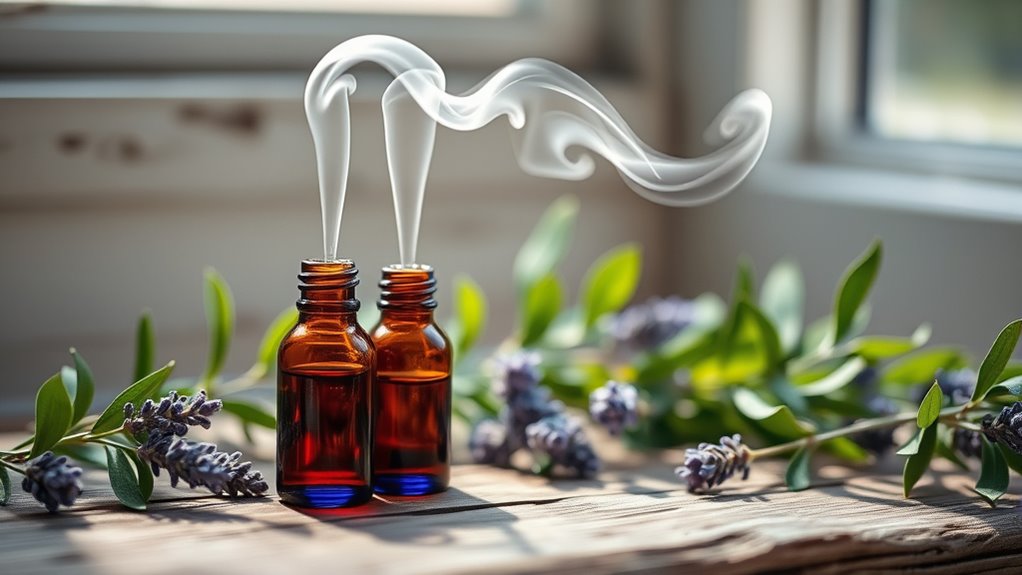
Have you ever wondered how certain scents can influence your mood or well-being? The answer lies in the powerful world of aromatherapy, where essential oils are used to impact your brain and body. When you inhale these aromatic compounds, they travel through your nasal passages and stimulate olfactory receptors. These receptors send signals directly to your brain’s limbic system, which is responsible for emotions, memories, and even physiological responses. This direct pathway explains why certain smells can instantly uplift your mood or relax your mind.
One of the most common uses of essential oils is for stress relief. When you breathe in calming scents like lavender or chamomile, your brain responds by releasing neurotransmitters such as serotonin and dopamine. These chemicals help reduce feelings of anxiety and promote relaxation. Studies have shown that inhaling these oils can lower cortisol levels—the hormone associated with stress—making you feel calmer and more centered. It’s a natural way to manage stress without relying solely on medication.
Inhaling calming essential oils like lavender reduces stress hormones and promotes relaxation naturally.
The science behind aromatherapy reveals that the effects aren’t just psychological; they also influence your physical health. For example, inhaling peppermint or eucalyptus oils can open up nasal passages and improve breathing, which can be especially helpful during colds or allergies. These oils contain compounds that have anti-inflammatory and antimicrobial properties, supporting your immune system and overall well-being. When your body responds positively to the scent, it can also lead to a decrease in physical symptoms caused by stress, such as headaches or muscle tension. Additionally, research into cybersecurity vulnerabilities has underscored the importance of safeguarding systems that support health and wellness technologies.
You might also notice that certain scents evoke specific memories or feelings, which further enhances their therapeutic impact. For instance, the smell of vanilla or citrus can evoke happiness or motivation, while grounding scents like sandalwood can foster a sense of stability. This connection between scent and emotion is rooted in the brain’s processing of olfactory signals and explains why aromatherapy can be so personalized and effective. Furthermore, understanding the neuroscience of smell can help optimize the use of aromatherapy for emotional and physical benefits. It’s also important to recognize that essential oils are highly concentrated, so proper usage and dilution are key to safe and effective therapy. According to studies on olfactory pathways, the direct connection to the limbic system makes scent-based therapies uniquely potent.
Incorporating essential oils into your daily routine is simple and versatile. You can diffuse them in your home, add a few drops to a bath, or apply diluted oils to your skin. Each method allows you to harness the benefits of aromatherapy for stress relief, mood enhancement, or physical comfort. Understanding the relationships in emotional bonds and how they can be strengthened through scent can help you create a more balanced and emotionally resilient life. Knowing how these scents influence your brain and body gives you a powerful tool to improve your overall well-being naturally. With consistent use, you’ll likely discover that certain aromas become your go-to for relaxation and emotional balance, proving that the power of smell is truly profound.
Frequently Asked Questions
Can Aromatherapy Replace Traditional Medicine for Serious Conditions?
You shouldn’t rely solely on aromatherapy to replace traditional medicine for serious conditions. While it can be a helpful complementary therapy, providing relaxation and mood support, it isn’t a substitute for proven treatments. Sometimes, the placebo effect can enhance feelings of well-being, but for critical health issues, always follow your healthcare provider’s advice. Aromatherapy works best when combined with conventional medicine, not as a replacement.
Are There Any Side Effects From Using Essential Oils?
When you use essential oils, you should watch for allergic reactions, skin sensitivities, and irritation. These side effects can occur if you have allergies or sensitive skin. To stay safe, always dilute oils, do a patch test, and use them as directed. If you experience redness, itching, or discomfort, stop using the oil immediately. Staying cautious helps you enjoy aromatherapy’s benefits without unwanted side effects.
How Long Do the Effects of Aromatherapy Typically Last?
The effects of aromatherapy vary depending on factors like the type of essential oil and your individual differences. Generally, you can expect the effects to last from a few minutes to a couple of hours. Duration variability exists because each person responds differently based on their scent sensitivity and usage method. To maximize benefits, you might need to repeat sessions or combine scents, tailoring it to your unique needs.
Is Aromatherapy Safe for Children and Pregnant Women?
You should prioritize child safety and pregnancy considerations when using aromatherapy. While many essential oils are safe, some can cause adverse reactions or be harmful to children and pregnant women. Always consult a healthcare professional before use, dilute oils properly, and avoid direct application. It’s best to select child-safe and pregnancy-safe options to ensure safety and avoid any risks during these sensitive times.
Do Individual Scents Affect People Differently Based on Genetics?
They say “beauty is in the eye of the beholder,” and the same applies to scent perception. Yes, individual scents can affect you differently because of genetic sensitivity. Your genes influence how you perceive certain aromas, making personal scent perception unique. This means some smells might relax you, while others could irritate or energize, highlighting how genetics shape your aromatic experience.
Conclusion
So, next time you breathe in that calming lavender or invigorating peppermint, remember how ancient civilizations, like the Egyptians, already knew the power of scent. Aromatherapy can truly influence your mood, stress levels, and even your physical health. It’s like having a secret potion from a bygone era, right in your home. Trust in the science, and let your nose guide you to a healthier, happier you—just like the olden-day alchemists would have wished.