
If your scent fades after just 10 minutes, residue buildup inside your diffuser is likely the culprit. Over time, essential oils can leave oily or sticky deposits that block airflow and disrupt vaporization. This prevents the diffuser from dispersing scent evenly, causing it to fade quickly. Regular cleaning with warm water or vinegar helps remove these deposits, restoring performance. Keep going to learn simple cleaning tips that can keep your diffuser working at its best.
Key Takeaways
- Residue buildup inside the diffuser blocks airflow, reducing vapor production and causing scent to fade quickly.
- Oily or stubborn residues can hinder proper diffusion, leading to uneven scent dispersal and shorter scent longevity.
- Regular cleaning prevents residue accumulation, ensuring consistent diffusion patterns and maintaining scent strength over time.
- Clogged surfaces inside the diffuser diminish vaporization efficiency, resulting in scent fading within minutes.
- Proper maintenance and thorough cleaning of diffuser components help sustain aroma intensity and prolong scent duration.
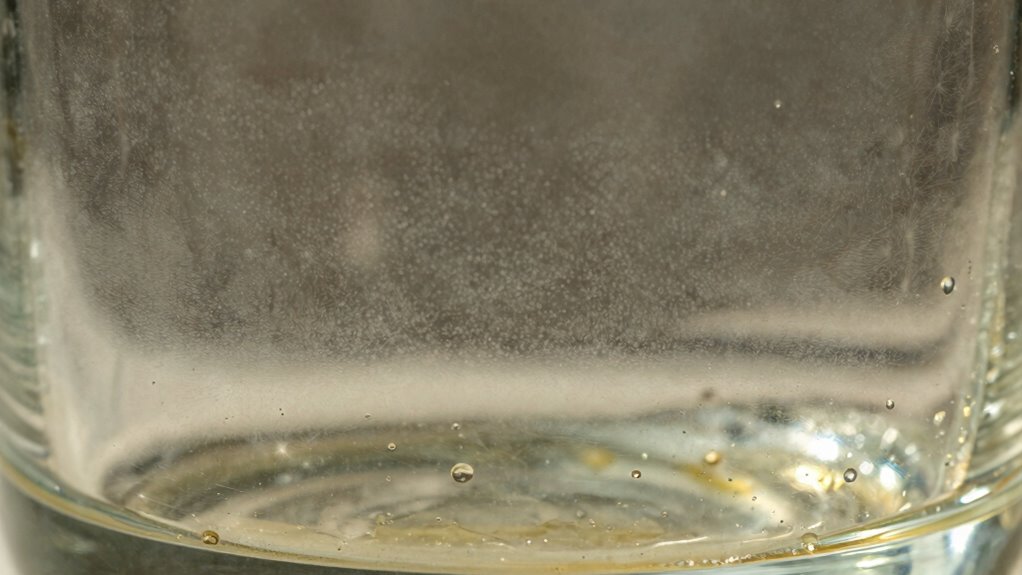
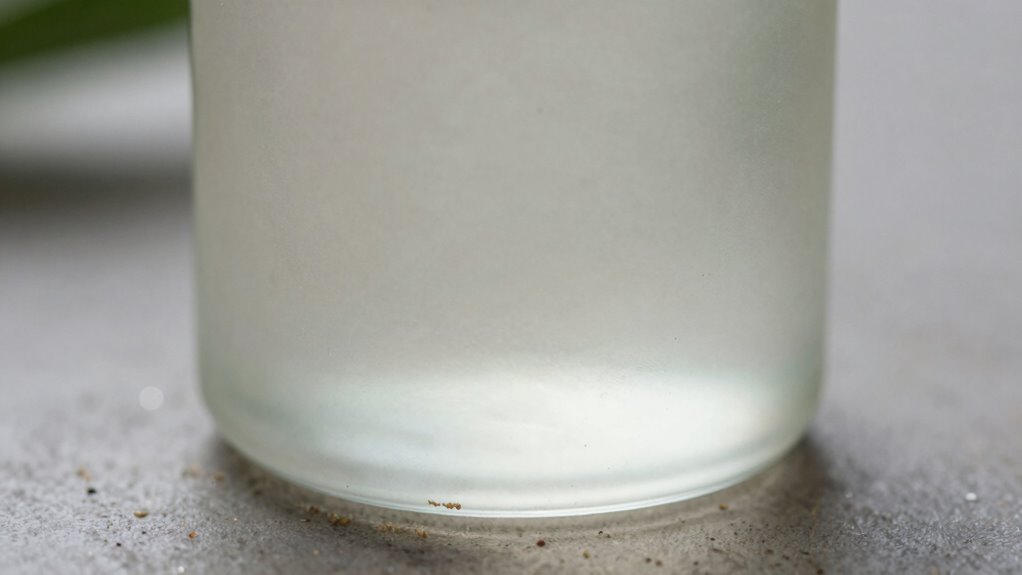
If you regularly use essential oils, you may notice a stubborn residue building up on your diffusers, bottles, and other equipment. This residue isn’t just unsightly; it can also interfere with how your diffuser performs, especially affecting diffusion patterns and scent longevity. Over time, the buildup can cause your diffuser to emit weaker smells or unevenly distribute the aroma, making your essential oils less effective. You might find that what once filled your space with a delightful scent now fades quickly or barely lingers. That’s usually because residue is blocking the proper flow of air and oil, disrupting the diffuser’s ability to disperse scent evenly. When residue accumulates, it can create clogs or uneven surfaces inside the device, ultimately compromising its functionality. Regular cleaning is essential to prevent buildup that impacts diffuser performance and longevity.
Understanding how residue impacts your diffuser helps you recognize why your scents fade so quickly. Diffusion patterns depend heavily on a clean mechanism that allows the oil to vaporize uniformly. When residue forms, it can cause inconsistent vapor production, resulting in uneven scent dispersal. You might notice that certain areas of your space smell stronger while others are almost scentless, which indicates that your diffuser isn’t working as it should. Additionally, residue can cause the diffuser to produce weaker vapor, shortening the scent’s longevity. Instead of a steady, consistent aroma, you get only brief bursts that fade fast, leaving your room smelling flat after just a few minutes. This diminishes the calming or invigorating effects you seek from your essential oils. Proper maintenance, including understanding the diffuser mechanism, is key to maintaining optimal scent diffusion. Cleaning your equipment regularly can drastically improve diffusion patterns and extend scent longevity. A thorough clean removes the oily buildup that causes uneven vaporization. Use warm water and a gentle brush or cloth to wipe away residue from the diffuser’s interior and exterior parts. For stubborn spots, a mixture of vinegar and water can help dissolve residue without damaging your device. When bottles or rollerball applicators start to show signs of buildup, clean them meticulously to prevent blockages that affect how efficiently the oils are released. Remember, a clean diffuser not only performs better but also preserves the integrity of your essential oils, ensuring you get the full benefit and aroma for longer periods.
Frequently Asked Questions
Can I Prevent Scent Fading Without Cleaning the Diffuser?
You can prevent scent fading without cleaning your diffuser by ensuring proper diffuser maintenance and using compatible essential oils. Always follow the manufacturer’s instructions for essential oil compatibility to avoid residue buildup, which causes scent fading. To maintain scent strength, consider adding a small amount of water or adjusting the essential oil concentration, but regularly cleaning remains the best way to keep your diffuser functioning at its best and prevent scent loss over time.
Are Some Essential Oils More Prone to Residue Buildup?
In the blink of an eye, some essential oils are more prone to residue buildup, especially if you use thick or sticky types. Citrus oils and cinnamon tend to leave more residue, depending on the diffuser material, like plastic or ceramic. Oils with high resin content or thick consistency are more likely to clog your diffuser over time, so choose your essential oil types wisely to keep it running smoothly.
How Often Should I Clean My Diffuser to Avoid Residue?
You should clean your diffuser at least once a week to prevent residue buildup. Regular diffuser maintenance guarantees ideal scent diffusion and prevents essential oil residue from affecting performance. When choosing essential oils, opt for those less prone to leaving residues, like citrus or herbal blends. After each use, empty and wipe the diffuser with a soft cloth. This routine keeps your diffuser functioning well and maintains a fresh scent every time.
Does Using Distilled Water Reduce Residue Buildup?
Using distilled water helps reduce residue buildup in your diffuser because it contains fewer minerals and impurities than tap water. This minimizes mineral deposits that can clog the device and affect scent diffusion. To prevent residue buildup, always opt for distilled water, especially if you notice your diffuser’s performance declining or the scent fading quickly. Regular cleaning combined with distilled water usage ensures your diffuser works efficiently and maintains a consistent scent.
Can Residue Buildup Cause Health Issues Over Time?
Think of your diffuser as a ticking time bomb if you ignore it. Residue buildup from essential oils can cause health issues over time, like respiratory problems or allergic reactions. Regular diffuser maintenance guarantees essential oil safety and prevents harmful buildup. If neglected, residues may harbor bacteria or mold, jeopardizing your health. Stay vigilant, clean your diffuser often, and use quality distilled water to keep your environment safe and your diffuser functioning smoothly.
Conclusion
Think of your space like a sponge soaking up every scent and residue. Over time, this buildup can trap the essential oils, causing their scent to fade faster than you’d like. Regular cleaning acts like wringing out that sponge, releasing the trapped scent and restoring freshness. Keep your environment clear of residue, and your essential oils will continue to bloom like a vibrant garden, filling your space with their lovely aroma far longer than just ten minutes.