To keep your essential oil diffuser clean and functioning well, unplug it and empty any remaining water or oil. Fill the tank with plain water and a little white vinegar or mild cleaner, then run it briefly to loosen residues. Use a soft cloth or cotton swab to gently clean the ultrasonic plate or other parts. Rinse, dry thoroughly, and refill with fresh water and oils. For more detailed tips, continue to explore the best methods.
Key Takeaways
- Unplug the diffuser, empty the water and oil mixture, and clean with a soft cloth or cotton swab to remove residues.
- Use plain water with white vinegar or a mild cleaner, then run briefly to loosen mineral deposits.
- For nebulizing diffusers, remove the oil reservoir, wipe with a soft cloth, and clean small openings with a cotton swab.
- For heat and evaporative diffusers, unplug, allow cooling, then wipe surfaces and heating elements with a damp cloth.
- Regularly clean and dry all components to prevent mold, bacteria, and mineral buildup, ensuring optimal performance and longevity.
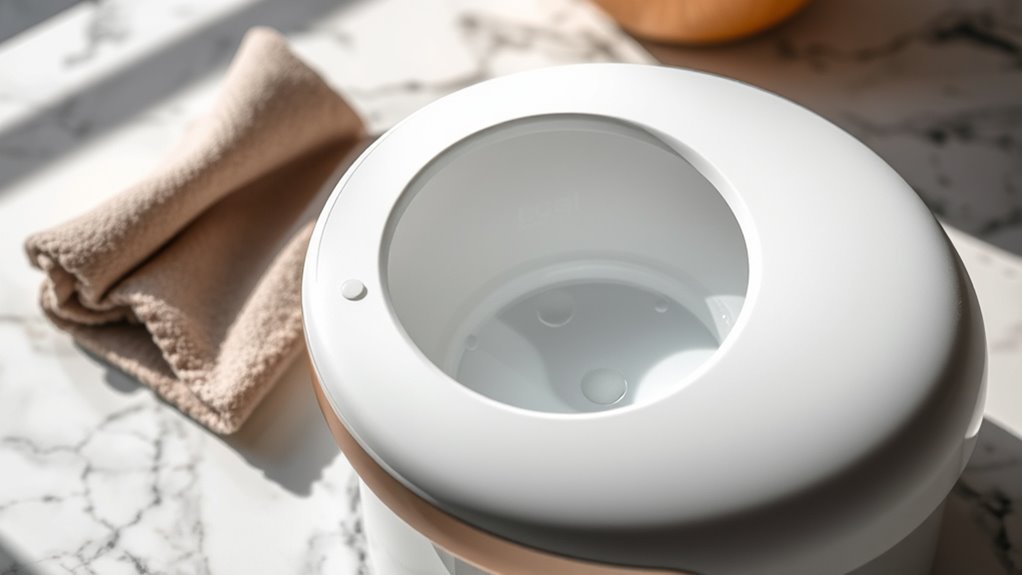
Maintaining your essential oil diffuser is key to guaranteeing it functions properly and continues to fill your space with pleasant aromas. When it comes to diffuser types, each one may require slightly different cleaning methods, so understanding your specific model helps you choose the right cleaning tools and techniques. Whether you have a ultrasonic, nebulizing, heat, or evaporative diffuser, regular upkeep prevents buildup and guarantees ideal performance. Using the appropriate cleaning tools, like soft cloths, brushes, or cotton swabs, makes the process easier and safer, helping you avoid damage to delicate components.
Proper diffuser maintenance ensures optimal performance and fresh, pleasant aromas.
For ultrasonic diffusers, which are among the most common, you should start by unplugging the device and emptying any remaining water and oil mixture. Fill the water tank with plain water and add a few drops of white vinegar or a mild cleaning solution. Run the diffuser for a few minutes to loosen mineral deposits and oil residues. Afterward, turn it off, unplug it, and use a soft cloth or a cotton swab to clean around the ultrasonic plate and inside the water tank. Be sure to reach into small crevices, and avoid abrasive tools that could scratch the surface. Rinse thoroughly with clean water and dry with a soft cloth before refilling with fresh water and oils. Regular cleaning also helps prevent issues related to AI vulnerabilities such as mold or bacteria buildup.
Nebulizing diffusers, which disperse oils directly without water, require a different approach. Disconnect the device and remove the oil reservoir. Wipe the reservoir with a soft cloth or paper towel to remove excess oil, then clean it with a gentle, oil-safe cleaning solution or isopropyl alcohol. For stubborn residues, use a small brush or cotton swab to scrub gently, paying attention to small openings or nozzles. Avoid using water directly in parts that aren’t designed for it, and ensure all components are completely dry before reassembling.
Heat diffusers, which use heat to disperse oils, should be cleaned by unplugging and allowing the device to cool. Wipe the surface with a damp cloth and clean any oil residue on the heating element with a soft cloth. For evaporative diffusers, regular dusting and wiping down with a damp cloth usually suffice, but check the manufacturer’s instructions for specific cleaning recommendations.
In all cases, regular cleaning with the right tools prevents the buildup of oil residues, mold, and bacteria, prolongs the lifespan of your diffuser, and keeps the aromas pure and fresh. Incorporate these cleaning routines into your maintenance schedule, and you’ll enjoy consistent scent diffusion without worry. By understanding your diffuser type and using suitable cleaning tools, you guarantee your device stays in top shape, providing a calming, aromatic environment whenever you need it.

Dreo Humidifiers for Bedroom, 4L Top Fill for Large Room, 36H Runtime, 28 dB Quiet Supersized Cool Mist Air Humidifier for Baby Nursery, Plants, Indoor, Night Light, Easy to Clean & Fill, White
𝟰𝗟 𝗟𝗮𝗿𝗴𝗲 𝗧𝗮𝗻𝗸 𝗳𝗼𝗿 𝗖𝗼𝗻𝘁𝗶𝗻𝘂𝗼𝘂𝘀 𝗖𝗼𝗺𝗳𝗼𝗿𝘁: Enjoy quiet sleep without congestion, coughing, or dry mouth, DREO baby humidifier's...
As an affiliate, we earn on qualifying purchases.
Frequently Asked Questions
Can I Use Household Cleaners to Clean My Diffuser?
Using household cleaners on your diffuser isn’t recommended because they can damage the device and leave harmful residues. Instead, opt for simple cleaning methods like wiping with a damp cloth and using a few drops of white vinegar or mild soap. Regularly cleaning your diffuser with these safe methods guarantees it stays in good shape and functions properly, without risking damage from harsh household cleaners.
How Often Should I Replace the Diffuser’S Water?
You should replace the water in your diffuser regularly to guarantee optimal performance and longevity. Typically, it’s best to do a water replacement daily or whenever the water level gets low. This practice helps maintain the diffuser’s lifespan and prevents mold or bacteria buildup. By staying consistent with water replacement, you keep your diffuser working efficiently, extending its lifespan and ensuring a fresh, aromatic experience every time you use it.
Is It Safe to Use Homemade Cleaning Solutions?
Using DIY cleaning with natural solutions can be safe if you select the right ingredients. Mix vinegar and water or baking soda for effective cleaning, but avoid harsh chemicals that could damage your diffuser. Always make sure you rinse thoroughly to prevent residue. It’s best to research specific natural solutions for your diffuser type and avoid overly abrasive or untested DIY methods to keep your device safe and functioning well.
What Signs Indicate My Diffuser Needs Professional Repair?
If your diffuser shows signs like persistent unusual noises or fails to operate despite cleaning, it’s time for a professional inspection. You might notice it’s not dispersing scent properly or has a burning smell. These issues often indicate internal damage or electrical problems. Don’t ignore these signs—getting a professional repair guarantees your diffuser stays safe and functions efficiently, extending its lifespan and maintaining your aromatherapy experience.
Can Essential Oils Damage the Diffuser Over Time?
Your diffuser isn’t a superhero, but essential oils can verify its durability like one! Over time, oil residue buildup can cause damage, reducing its lifespan and efficiency. While occasional use won’t harm it, frequent or concentrated oils might wear down internal components. To prevent this, clean your diffuser regularly and avoid overfilling. Proper maintenance ensures your diffuser stays in top shape, and your aromatherapy remains a delightful experience.

BREEZOME 6L Humidifiers for Bedroom, Cool Mist Top Fill Humidifier with Aroma Diffuser, Humidistat, Night Light, 50H Runtime, Quiet Ultrasonic Humidifiers for Home Large Room, Baby Nursery, Plants
【Never Refill Daily】With a large 6L water capacity and convenient top-fill design, our humidifier for large room runs...
As an affiliate, we earn on qualifying purchases.
Conclusion
Keeping your essential oil diffuser clean is key to enjoying its calming scent and extending its life. Regularly wiping it down and following the proper cleaning steps guarantees it stays in tip-top shape—like a finely tuned harpsichord. Think of your diffuser as a trusty steed; a little maintenance now prevents a lot of trouble later. So, don’t forget to clean it often. Your home will thank you with fresh, soothing aromas that last for ages.

DREO HM735S 11L Smart Humidifier Large Room 700 ft², 100H Cool Mist Air Humidifiers for Bedroom, Top-Fill, Clean Tank Technology, 26dB, Auto Mode, Aroma Box, RGB, Remote & APP Control, Baby, White
100-𝙝𝙤𝙪𝙧 𝙍𝙪𝙣𝙩𝙞𝙢𝙚, 𝙇𝙖𝙨𝙩𝙞𝙣𝙜 𝘾𝙤𝙢𝙛𝙤𝙧𝙩: Enjoy uninterrupted comfort with our DREO air humidifier’s impressive 4-day runtime and 2.9-gallon tank....
As an affiliate, we earn on qualifying purchases.
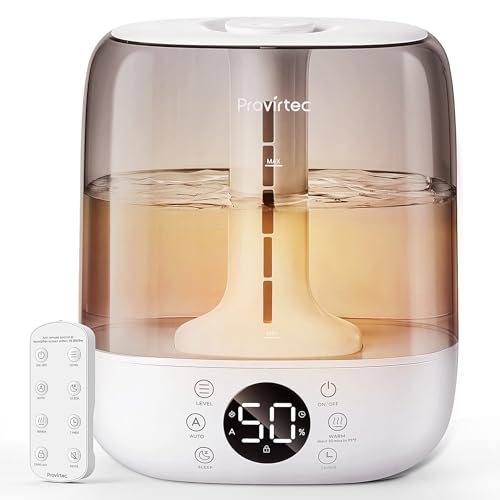
Provirtec 6L Self-Cleaning Humidifier for Large Room, CleanCare Warm & Cool Mist, No-Leak Design & Top Fill, 60 Hour Runtime, Quiet Ultrasonic Auto Mode with Remote Control for Bedroom & Home
Dual Self-Cleaning Technology for Your Family: Our advanced humidifiers for bedroom use a professional-grade water tank and constant-temperature...
As an affiliate, we earn on qualifying purchases.