Natural air fresheners use eco-friendly ingredients like essential oils and baking soda, making them safer for your health and the environment. In contrast, synthetic air fresheners often contain harsh chemicals that can trigger allergies and harm air quality. By choosing natural options, you minimize exposure to harmful substances like phthalates, promoting a healthier home. Want to learn more about the benefits of natural air fresheners and how to make your own? There’s much more to discover!
Key Takeaways
- Natural air fresheners use plant-derived ingredients and essential oils, while synthetic options contain harmful chemicals and artificial fragrances.
- Synthetic air fresheners can trigger health issues, especially for sensitive individuals, whereas natural alternatives are generally safer for health.
- Natural air fresheners are more environmentally friendly, often biodegradable and packaged in recyclable materials, compared to polluting synthetic options.
- Many natural ingredients, like baking soda and vinegar, effectively neutralize odors, often matching or exceeding the effectiveness of synthetic fragrances.
- Choosing natural air fresheners supports sustainability and minimizes exposure to harmful substances, promoting better health and environmental practices.
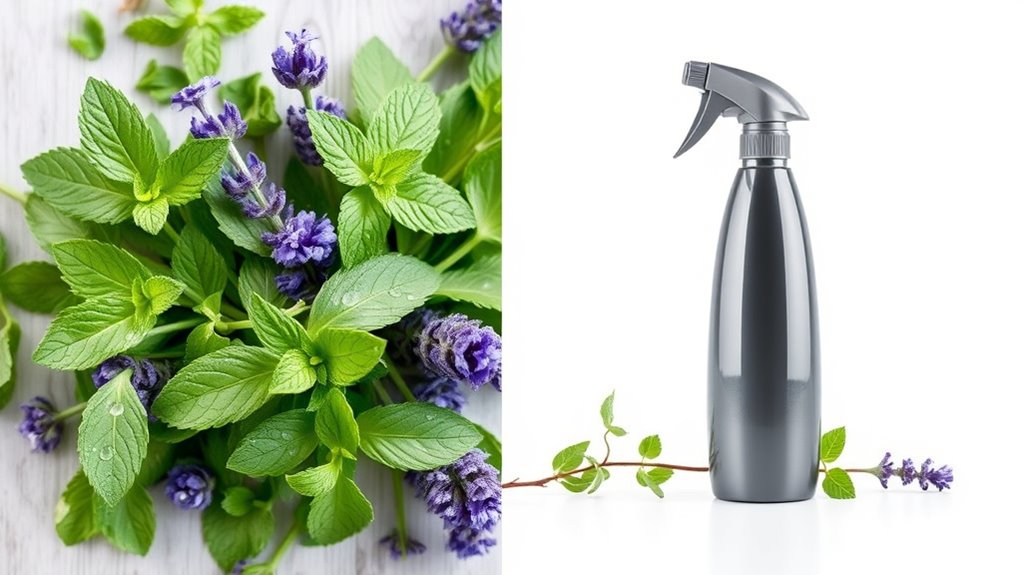
Have you ever wondered what’s really in the air fresheners you use at home? If you’ve taken a closer look, you might’ve noticed that many synthetic air fresheners contain a cocktail of chemicals that can raise some eyebrows. While they do an effective job at masking odors, the ingredients often come with a range of potential health concerns. For instance, if you or someone in your household has chemical sensitivities, those synthetic fragrances might trigger headaches or respiratory issues. It’s enough to make you think twice about reaching for that familiar spray can.
Many synthetic air fresheners contain harmful chemicals that can trigger health issues, making you reconsider your go-to options.
On the flip side, natural air fresheners typically rely on eco-friendly ingredients that are derived from plants and essential oils. These alternatives can effectively neutralize odors without the harsh chemicals that often accompany synthetic options. When you opt for a natural air freshener, you’re not just making a choice for your home—you’re also making a choice for the environment. Many natural options come in recyclable packaging, reducing waste and your carbon footprint. Plus, knowing that you’re using something more aligned with nature can give you peace of mind.
When you consider the impact of air quality on your health, it becomes even clearer why choosing natural over synthetic is worthwhile. Many synthetic air fresheners contain phthalates, which have been linked to various health issues, including hormone disruption. If you have children or pets, this is an even more pressing concern. By choosing air fresheners made from eco-friendly ingredients, you’re minimizing exposure to these potentially harmful substances, creating a safer environment for everyone.
You might be surprised to learn that many natural air fresheners can be just as effective, if not more so, at eliminating odors. Ingredients like baking soda or vinegar can work wonders in absorbing unwanted smells. You can even create your own air freshener by mixing essential oils with water in a spray bottle. It’s a simple, cost-effective way to ensure your home smells fresh without the drawbacks that come with synthetic options. Additionally, regular maintenance of indoor air quality with proper ventilation can enhance the effectiveness of natural air fresheners.
In the end, the choice is yours. You can either keep using those synthetic air fresheners, risking chemical sensitivities and potential health issues, or you can embrace natural alternatives filled with eco-friendly ingredients. Making this switch could lead to a healthier home environment while also being kinder to the planet. So, why not give it a try? Your nose—and your health—will thank you.
Frequently Asked Questions
Are Natural Air Fresheners Safe for Pets?
Yes, natural air fresheners are generally safe for pets, but you should still be cautious. Some essential oils can pose pet toxin risks, so it’s best to research specific ingredients before using them. While natural options often have a shorter scent longevity compared to synthetic products, they can still effectively freshen your space without harmful chemicals. Always monitor your pets for any unusual reactions when introducing new scents into your home.
How Long Do Natural Air Fresheners Last?
Think of natural air fresheners as a delicate flower; their beauty is fleeting. Typically, you’ll find their scent longevity lasts anywhere from a few days to a couple of weeks, depending on the ingredients and storage conditions. The shelf life can vary markedly, so always check the packaging. If you want a consistent scent, you might need to refresh it regularly to keep your space smelling fresh and inviting.
Can Synthetic Air Fresheners Cause Allergies?
Yes, synthetic air fresheners can cause allergies in some people. If you’ve got fragrance sensitivities, you might find that the chemical irritants in these products trigger headaches, respiratory issues, or skin reactions. It’s important to pay attention to how your body reacts when using them. If you notice any discomfort, consider switching to natural alternatives or minimizing your exposure to synthetic fragrances to avoid potential allergic reactions.
What Are Common Ingredients in Natural Air Fresheners?
Common ingredients in natural air fresheners include plant-based scents and essential oil blends. You’ll often find oils like lavender, eucalyptus, and citrus, which not only smell great but also offer therapeutic benefits. Natural ingredients, such as baking soda and vinegar, can help neutralize odors without harsh chemicals. When you choose these fresheners, you’re bringing the essence of nature into your home, creating a healthier and more pleasant atmosphere for you and your family.
How Do I Make My Own Natural Air Freshener?
“Where there’s a will, there’s a way.” To make your own natural air freshener, grab a spray bottle and combine one cup of water with a tablespoon of baking soda. Add 10-15 drops of your favorite essential oils, like lavender or lemon. Shake well and spray around your home for an invigorating scent. These simple DIY recipes not only eliminate odors but also fill your space with delightful aromas you’ll love!
Conclusion
In summary, choosing between natural and synthetic air fresheners ultimately depends on your preferences and values. Did you know that around 75% of air fresheners contain potentially harmful chemicals? By opting for natural alternatives, you not only reduce your exposure to these substances but also contribute to a healthier environment. So, next time you’re looking to freshen up your space, consider going natural—your lungs and the planet will thank you!