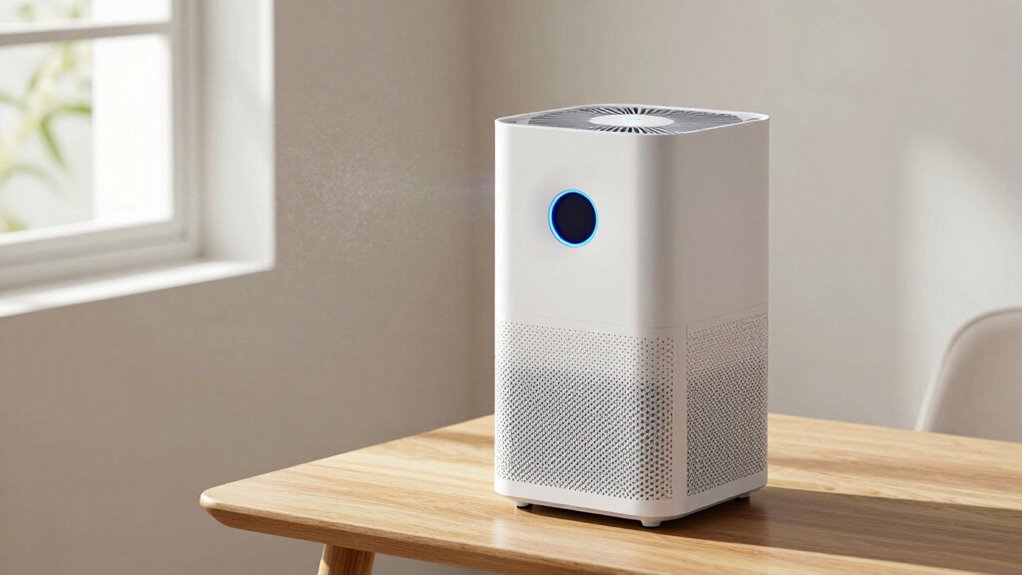
Air purifier ozone ionizers can improve your indoor air quality by removing odors and pollutants, but they also pose health risks if not used properly. Ozone can irritate your respiratory system, worsen asthma, and cause discomfort. To stay safe, keep the device away from occupied spaces and ventilate regularly. Some models meet safety standards, but always check specifications before use. To understand how to protect yourself, learn more about safe air purifier practices.
Key Takeaways
- Ozone ionizers can produce harmful ozone levels if not properly regulated, posing health risks.
- Excess ozone can irritate lungs, worsen asthma, and cause respiratory discomfort.
- Ensure the device meets safety standards and avoid use in small or occupied spaces.
- Proper ventilation and device placement are essential to minimize ozone buildup indoors.
- Always follow manufacturer instructions and stop use if you experience irritation or discomfort.
Air purifier ozone ionizers can effectively remove odors and airborne pollutants, but their safety depends on proper use. While these devices are designed to improve indoor air quality, they can pose health risks if not operated correctly. Ozone, the primary active agent in many ionizers, is a reactive gas that can irritate your respiratory system, especially if you’re exposed to high concentrations over time. Breathing in excess ozone can cause chest pain, coughing, throat irritation, and worsen asthma symptoms. That’s why understanding the regulatory standards that govern ozone emissions is essential. Agencies like the U.S. Environmental Protection Agency (EPA) and the Food and Drug Administration (FDA) set limits on allowable ozone levels in indoor environments to protect consumers. These standards are designed to minimize health risks, but not all ozone ionizers comply with them. Some models produce ozone amounts that exceed safe limits, especially if used improperly or in poorly ventilated spaces. It’s your responsibility to check the device’s specifications and verify it meets these regulatory standards before making a purchase.
Once you have a compliant ozone ionizer, it’s vital to use it correctly. Keep the device away from occupied areas or run it in unoccupied rooms, especially during extended periods of use. Proper placement can greatly reduce your exposure to ozone. Avoid using the ionizer in small, enclosed spaces where ozone can accumulate and linger. Ventilate your room regularly to help disperse any ozone that might be produced. If you notice any irritation or discomfort, turn off the device immediately and increase ventilation. Some devices are equipped with sensors or features that limit ozone production; opt for these models to reduce health risks further. Remember, even devices claiming to produce “safe” levels of ozone might still pose a danger if used improperly. Additionally, investing in energy-efficient air purifiers can help reduce overall energy consumption while maintaining air quality.
In addition to following manufacturer instructions, stay informed about ongoing regulatory updates and safety advisories. Manufacturers are required to disclose ozone emission levels, so review these details carefully. If you have children, elderly family members, or respiratory conditions, exercise extra caution. The bottom line is that ozone ionizers can offer benefits, but only if you adhere to safety guidelines and regulatory standards. Misuse or choosing non-compliant devices can turn a promising air cleaning solution into a health hazard. Always prioritize your safety by understanding how these devices work, knowing the potential health risks, and verifying that your chosen air purifier operates within safe ozone emission limits.
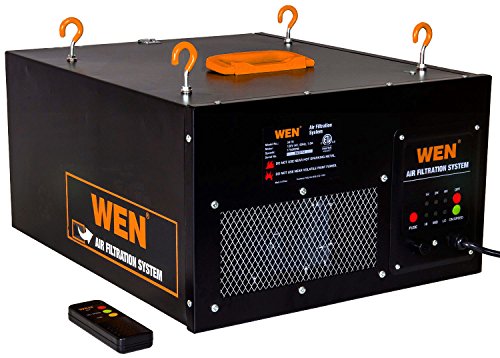
WEN 3410 3-Speed Remote-Controlled Air Filtration System (300/350/400 CFM), Basic w/ RF Remote (400 CFM) , Black
Includes a 1-micron filter and a 5-micron pre-filter, both of which can be easily replaced
As an affiliate, we earn on qualifying purchases.
Frequently Asked Questions
Are Ozone Ionizers Safe for Children and Pets?
Ozone ionizers aren’t safe for children and pets because they can release ozone, which poses risks to child safety and pet health. Ozone can irritate lungs, worsen asthma, and cause other respiratory issues. You should avoid using these devices in homes with kids or animals. Instead, opt for HEPA filters or other safer air purifiers that don’t produce harmful ozone, ensuring a healthier environment for your loved ones.
How Can I Tell if My Ionizer Is Producing Harmful Ozone Levels?
You can tell if your ionizer produces harmful ozone levels by using an ozone detection device, which measures ozone concentration in the air. Aim for safe ozone levels, typically below 0.05 ppm (parts per million). If the detector shows higher readings, decrease or turn off the ionizer. Regular monitoring helps ensure your environment stays safe, especially around children and pets.
What Are Alternative Air Purification Options Without Ozone?
You should opt for air purifiers with HEPA filters or activated charcoal, as they don’t produce ozone. HEPA filters trap tiny particles like dust, pollen, and pet dander, improving air quality safely. Activated charcoal absorbs odors and chemicals without creating harmful gases. These options are effective and safe, making them ideal choices if you want clean air without risking ozone exposure from ionizers.
Can Ozone Ionizers Cause Allergic Reactions or Asthma Flare-Ups?
Yes, ozone ionizers can cause allergic reactions or asthma flare-ups because they release ozone, which can irritate your lungs and worsen air quality. If you have allergies or asthma, using ozone-based air purifiers might increase your health risks. It’s safer to choose air purifiers that don’t produce ozone, such as HEPA filters, to maintain good air quality and protect your respiratory health.
How Often Should I Service or Replace Parts of an Ozone Ionizer?
You should service your ozone ionizer every 6 to 12 months, depending on usage, to keep it operating safely and effectively. Regular maintenance includes cleaning or replacing parts like filters or ionization plates. Following a consistent maintenance schedule prevents buildup that can cause malfunctions or safety issues. Always check your manufacturer’s instructions for specific replacement parts and timing to guarantee your device stays in prime condition.

Filterbuy 16x26x5 Air Filter MERV 8 Essential Dust & Allergy Defense (4-Pack), Pleated HVAC AC Furnace Filters for Electro-Air, Emerson, White Rodgers, and More (Actual Size: 16.00 x 25.75 x 4.88)
WHOLE HOUSE REPLACEMENT: 16x26x5 air filters for your furnace, air conditioner, or heat pump enhance HVAC system efficiency...
As an affiliate, we earn on qualifying purchases.
Conclusion
Remember, while ozone ionizers might seem like a gust of fresh air, they can sometimes do more harm than good. Think of them as double-edged swords—cleaning the air on one side but potentially releasing harmful ozone on the other. To keep your indoor space truly safe, consider alternatives like HEPA filters. Don’t let the promise of fresh air blind you—choose wisely, and breathe easy knowing you’re prioritizing your health over quick fixes.

VEVOR HVAC Air Purifier Whole House, 24W 12inch, Light in Duct for Ac (Air Conditioning) Duct, Air Scrubber with 2 Bulb, PCO Technology and Carbon Filtration HVAC Lights for Ac Systems
Efficient Air Purification: The 24W 12 inch HVAC Duct Purifier combines two powerful purification technologies: photocatalysis and light,...
As an affiliate, we earn on qualifying purchases.

AprilAire 413 Replacement Filter for AprilAire Whole House Air Purifiers - MERV 13, Healthy Home Allergy, 16x25x4 Air Filter (Pack of 1)
BUY WITH CONFIDENCE This genuine AprilAire 413 replacement air filter was designed and manufactured in the USA by...
As an affiliate, we earn on qualifying purchases.