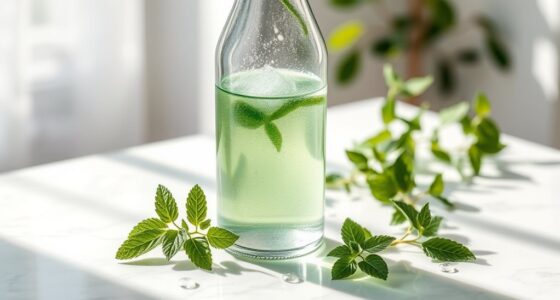
Hydrosols in aromatherapy are a gentle, plant-based alternative to essential oils, making them perfect for sensitive skin and emotional support. They are produced through steam distillation, capturing delicate plant compounds without the concentrated strength of essential oils. This means they offer therapeutic benefits like calming, soothing, and hydrating properties with less risk of irritation. If you want to explore how hydrosols can enhance your wellness routine safely, you’ll find more helpful insights ahead.

Get oils, diffusers and self-care delivered free with Prime
- Fast, free delivery on millions of items
- Prime Video, Amazon Music and more included
- Member-only deals all year
Key Takeaways
- Hydrosols are milder, plant-based extracts produced via steam distillation, making them suitable for sensitive skin and respiratory issues.
- They retain a broad spectrum of phytochemicals, offering holistic therapeutic benefits similar to essential oils but gentler.
- Hydrosols can be used in facial mists, baths, diffusions, or homemade skincare, promoting relaxation and emotional well-being.
- Their gentle nature makes them a safe alternative for children and those prone to skin irritation.
- Compared to essential oils, hydrosols provide a soothing, authentic aromatherapy experience with minimal risk of adverse reactions.
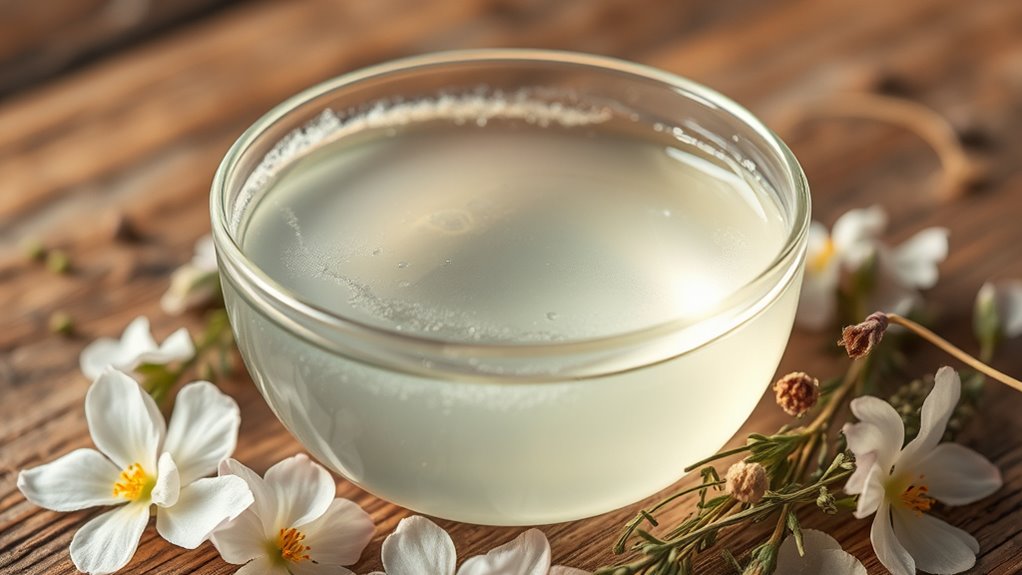
Hydrosols, also known as floral waters or herbal waters, are popular natural ingredients in aromatherapy due to their gentle yet effective properties. Unlike pure essential oils, hydrosols are produced through a process called botanical extraction, where steam distillation captures the aromatic compounds of plants. This method preserves delicate phytochemicals that wouldn’t survive other extraction techniques, resulting in a product that’s both milder and rich in therapeutic properties. Because of this, hydrosols are often preferred by those with sensitive skin or respiratory issues, offering a safer alternative without sacrificing benefits.
Hydrosols are gentle, plant-based extracts rich in therapeutic properties, ideal for sensitive skin and aromatherapy.
When you use hydrosols, you’re tapping into their natural therapeutic properties. These waters contain tiny molecules of plant essences dissolved in water, allowing you to enjoy the plant’s aroma and healing qualities without the intensity of concentrated essential oils. For example, lavender hydrosol can help soothe irritated skin and promote relaxation, thanks to its calming effects linked to its botanical extraction process. Rose hydrosol, with its gentle astringent and moisturizing qualities, can balance your skin while uplifting your mood. The therapeutic properties of hydrosols aren’t just limited to skincare—they can also assist with emotional well-being, helping you manage stress or anxiety through simple spritzes or diffusions.
Since hydrosols are produced using botanical extraction, they retain a broad spectrum of plant compounds that work synergistically to deliver a gentle yet effective experience. This makes them versatile tools in aromatherapy routines, whether you’re aiming to create a calming environment or support your skin health. You can add hydrosols to baths, use them as facial mists, or incorporate them into homemade skincare products. Because they’re milder, they’re less likely to cause irritation, making them suitable for children and individuals with sensitive skin. The botanical extraction process guarantees that the hydrosols are full of natural plant-derived compounds, offering a pure and authentic experience that’s closely aligned with the plant’s original therapeutic properties.
Additionally, hydrosols often contain a broad range of plant compounds that enhance their therapeutic potential, making them a comprehensive alternative to more concentrated remedies. This extraction method ensures the preservation of delicate phytochemicals, providing a broader spectrum of benefits in each use. This ensures you receive the full spectrum of plant benefits in a gentle form, ideal for daily use. Whether you’re seeking relaxation, skin nourishment, or emotional balance, hydrosols provide a natural, calming alternative to essential oils—perfect for those who want to enjoy aromatherapy’s benefits without overwhelming their senses.
As an affiliate, we earn on qualifying purchases.
Frequently Asked Questions
Are Hydrosols Suitable for Children and Pregnant Women?
You’re wondering if hydrosols are suitable for children and pregnant women. Generally, hydrosols are milder and safer than essential oils, but you should consider pediatric safety and pregnancy precautions. Always dilute hydrosols properly, and consult a healthcare professional before use. While many hydrosols are gentle, some may not be appropriate for young children or during pregnancy, so it’s best to do thorough research or seek expert advice to guarantee safety.
How Should Hydrosols Be Stored to Maintain Their Potency?
You should store hydrosols in a cool, dark place to preserve their potency. Proper storage conditions, like airtight bottles away from sunlight and heat, prevent degradation. This helps extend their shelf life, which is typically 1-2 years. Always keep containers tightly sealed after use, and check for changes in aroma or appearance before use. By following these guidelines, you guarantee your hydrosols stay fresh and effective longer.
Can Hydrosols Replace Essential Oils in All Aromatherapy Applications?
Imagine trying to replace a master musician with a talented backup—hydrosols and essential oils share melodies but aren’t interchangeable. While hydrosols offer gentle, soothing notes, their comparison limitations mean they can’t match the potency needed for all applications. You’ll find application differences—hydrosols excel in skin and inhalation, but for deep therapeutic effects, essential oils remain the main act. Use each in harmony, not as perfect substitutes.
Are There Any Known Allergies or Sensitivities to Hydrosols?
You might wonder if hydrosols cause allergies or sensitivities. While they’re generally gentle, some people experience skin reactions or respiratory sensitivities. It’s wise to do a patch test before widespread use and consult with a healthcare professional if you have known allergies. Hydrosols are usually well-tolerated, but individual responses vary, so staying alert for any adverse skin reactions or breathing issues is important when trying a new hydrosol.
What Are the Best Methods for Incorporating Hydrosols Into Daily Routines?
Imagine transforming your daily routine into a spa-like experience with just a few simple steps! You can easily incorporate hydrosols into your skincare routines or DIY recipes by spritzing them on your face, adding them to bathwater, or mixing into lotions. These gentle, versatile solutions make your routine more invigorating and natural. Just a few sprays or drops can elevate your daily self-care to a luxurious, aromatic ritual that revitalizes your mind and skin.
Conclusion
So, next time you’re tempted to splash essential oils all over your skin, remember there’s a gentler, less likely to turn your bathroom into a science experiment: hydrosols. They offer all the aromatic goodness without the overwhelming potency or risk of irritation. Who knew that a delicate floral water could be your new best friend? Embrace hydrosols—your skin, nose, and possibly your sense of humor will thank you for the mercy.
Fall Picks
fall essentials
As an affiliate, we earn on qualifying purchases.