
Tea tree essential oil is a versatile natural remedy known for its antimicrobial powers. You can use it in skincare, applying a few drops to treat acne, reduce inflammation, or soothe skin issues. It also works as a cleaning agent, eliminating germs, mold, and mildew in your home. Diffusing it helps purify indoor air and freshen your space. Keep exploring to discover more tips on harnessing tea tree oil for your skin and home care.
Key Takeaways
- Tea tree oil’s antimicrobial properties make it effective for treating acne, fungal infections, and skin irritations naturally.
- It can be added to carrier oils or masks to soothe inflamed skin and prevent breakouts.
- As a disinfectant, tea tree oil kills germs on surfaces, including countertops and bathroom tiles.
- Diffusing tea tree oil purifies indoor air, reducing airborne bacteria and promoting a healthier environment.
- It helps eliminate mold and mildew in damp areas, offering a natural solution for home hygiene.
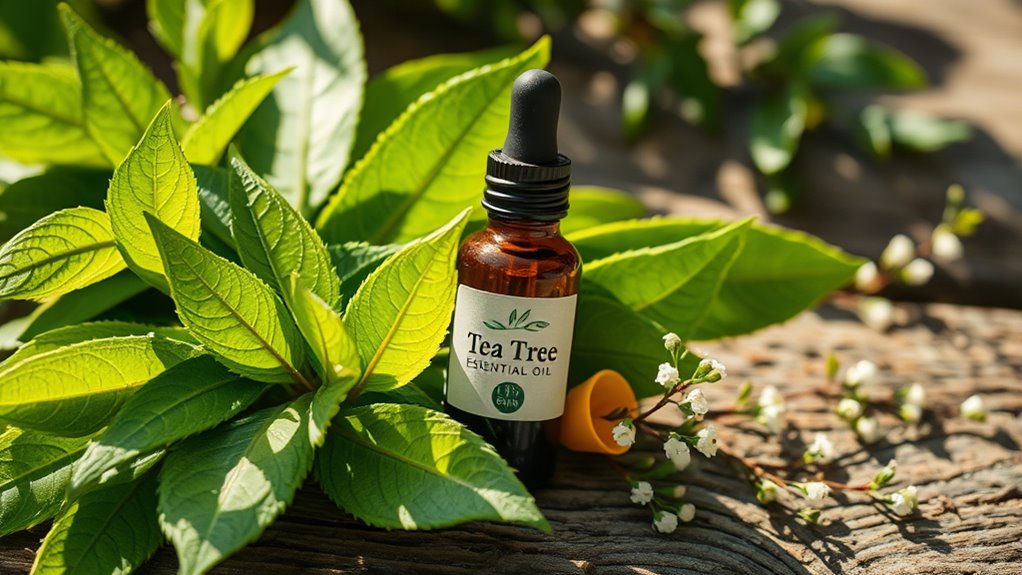
Have you ever wondered about the natural powers of tea tree essential oil? This potent oil has been treasured for centuries, not just for its distinctive aroma but for its remarkable antimicrobial properties. Today, many people turn to tea tree oil for a variety of uses, especially in DIY skincare routines and environmental cleaning. Its versatility makes it a must-have in your natural health arsenal.
Tea tree essential oil: centuries-old antimicrobial power for skincare and cleaning.
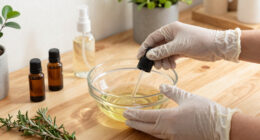
If you’re into DIY skincare, tea tree oil can be a game-changer. Its antibacterial and antifungal qualities make it ideal for creating your own acne treatments, face masks, or spot treatments. Just a few drops of tea tree oil added to a carrier oil like jojoba or coconut oil can help soothe breakouts and reduce inflammation. It’s especially effective for oily or acne-prone skin, as it helps clear bacteria that clog pores. You can also incorporate it into homemade toners or cleansers, providing a natural alternative to chemical-laden products. Using tea tree oil in your skincare routine not only targets skin imperfections but also helps prevent future breakouts, giving you clearer, healthier skin over time.
Beyond skincare, tea tree oil excels in environmental cleaning. Its antimicrobial properties make it a natural disinfectant, capable of killing germs on surfaces around your home. You can add a few drops to water and vinegar to create an all-purpose cleaner that’s safe for use on countertops, sinks, and even bathroom tiles. Unlike synthetic disinfectants, tea tree oil doesn’t leave harsh chemical residues, making it a healthier option for your environment. It’s also effective in eliminating mold and mildew, especially in damp areas like bathrooms or basements. Simply spray diluted tea tree oil solution onto affected surfaces, and you’ll notice a significant reduction in mold growth without the need for strong chemicals.
In addition to its cleaning benefits, tea tree oil can be used to freshen your home naturally. Diffusing a few drops in your living space can help purify the air and reduce airborne bacteria. Its fresh, medicinal scent not only energizes a room but also promotes a healthier environment. Whether you’re making your own DIY skincare products or sprucing up your home, tea tree essential oil offers a natural, effective solution that aligns with a healthier lifestyle. Its antimicrobial powers help you maintain a clean and clear skin while keeping your home free from harmful germs and mold, making it a truly versatile essential oil to have on hand.

Tea Tree Oil – 100% Pure Organic Tea Tree Essential Oil for Skin, Face, Hair, Scalp, Nails, and Toenail – 1 fl oz – By Fiora Naturals
- Certified Organic and Pure: 100% steam-distilled, no additives
- Versatile for Skin and Hair: Suitable for face, scalp, nails, and more
- Natural Skin Care: Provides a gentle, refreshing glow
As an affiliate, we earn on qualifying purchases.
As an affiliate, we earn on qualifying purchases.
Frequently Asked Questions
Can Tea Tree Oil Be Used Around Pets Safely?
You wonder if tea tree oil is safe around pets. It’s important to prioritize pet safety, as some essential oils can be toxic to animals. Always follow essential oil precautions, like diluting properly and avoiding direct application on pets. Consult your veterinarian before using tea tree oil near pets, and never give them essential oils without professional guidance. Being cautious helps keep your furry friends safe and healthy.
How Should Tea Tree Oil Be Stored Long-Term?
You should store tea tree oil properly to maintain its effectiveness over time. Use airtight, dark glass bottles to protect it from light and air exposure, which can degrade its quality. Keep the oil in a cool, dry place away from heat sources. These storage techniques help extend its shelf life, ensuring you get the most benefit from your tea tree oil. Regularly check for any changes in scent or appearance.
Is Tea Tree Oil Effective Against All Types of Fungi?
Imagine a battlefield where fungi lurk, some easily defeated, others resistant. You wonder if tea tree oil is a universal warrior. While it boasts a broad antimicrobial spectrum, fungal resistance varies. It’s effective against many fungi, but not all. Some stubborn strains may resist, so don’t rely solely on it. Use it as part of a thorough approach, understanding that not every fungus will fall under its antimicrobial power.
Can Tea Tree Oil Cause Skin Allergies or Sensitivities?
You might experience allergic reactions or skin sensitivities when using tea tree oil. It’s possible for some people to develop redness, itching, or irritation after applying it topically. To reduce risks, always dilute tea tree oil and do a patch test first. If you notice any adverse reactions, discontinue use immediately and consult a healthcare professional. Being cautious helps prevent unwanted skin sensitivities and allergic responses.
What Are the Recommended Dilution Ratios for Topical Use?
Think of dilution guidelines as a recipe for safety, ensuring your skin isn’t overwhelmed. For topical application, you should mix tea tree oil with a carrier oil like coconut or jojoba at a 1-2% dilution—about 1-2 drops per teaspoon. This balance protects your skin while harnessing its antimicrobial benefits. Always patch-test and adjust accordingly for sensitive skin, following recommended dilution ratios for safe use.
Conclusion
So, next time you’re battling stubborn skin blemishes or household germs, remember tea tree oil’s mighty reputation. It’s funny how something so tiny can wield such power, turning your home into a germ-free sanctuary — or so you hope. Just a few drops might save the day, yet don’t forget, even nature’s strongest warriors can’t always win every battle. Ironically, your clean home might be the one thing tea tree oil can’t completely conquer.