When choosing between a PM2.5 monitor and an air quality monitor, focus on calibration accuracy and sensor reliability. PM2.5 monitors specifically measure fine particulate matter, while air quality monitors often track gases like CO2 and VOCs. Poor calibration can cause false readings, risking health decisions or unnecessary concern. To get dependable results, opt for devices with automatic calibration and durable sensors. Keep going to discover how to select the best sensor for your needs.
Key Takeaways
- PM2.5 monitors specifically measure fine particulate matter, while air quality monitors often assess multiple pollutants like gases and VOCs.
- Calibration accuracy is crucial for PM2.5 sensors to ensure health-related data reliability; some air quality monitors include automatic calibration features.
- Sensor lifespan varies; PM2.5 sensors typically last several years with proper maintenance, impacting long-term monitoring reliability.
- Air quality monitors with multi-pollutant detection may require more complex calibration and maintenance compared to dedicated PM2.5 sensors.
- Choosing a sensor with high calibration standards and durability ensures trustworthy data, avoiding misleading readings and unnecessary expenses.
Sensors vary markedly in their design and performance, affecting how accurately they capture data. When choosing between a PM2.5 monitor and a general air quality monitor, understanding these differences becomes essential. The first thing you should consider is calibration accuracy. A sensor with high calibration accuracy provides reliable, consistent readings over time, which is vital for making informed decisions about your environment. If a sensor isn’t properly calibrated, its measurements can drift, leading to false alarms or missed pollution spikes. This is especially important for PM2.5 monitors, which are often used to track fine particulate matter levels that impact health. A device with poor calibration accuracy might underestimate or overestimate pollution, putting your health at risk or causing unnecessary concern. Additionally, look for sensors with automatic calibration features, as these can help maintain measurement accuracy with less manual intervention.
Another key factor is sensor lifespan. Different sensors have varying durability, and their performance can degrade over time. For example, some PM2.5 sensors use optical or laser technology that may last several years if well-maintained, but others might need frequent recalibration or replacement. Air quality monitors that incorporate multiple sensors—measuring gases like CO2, VOCs, or humidity—also face different lifespan challenges depending on the sensor type. A longer sensor lifespan means you won’t have to replace or service your device as often, saving you money and hassle. Conversely, a shorter lifespan might require more frequent maintenance, which can lead to inaccuracies if sensors aren’t regularly calibrated.
Sensor lifespan varies; longer-lasting sensors reduce maintenance and ensure consistent, accurate air quality readings over time.
In essence, calibration accuracy influences the reliability of your readings, while sensor lifespan determines how long your device remains effective without replacement. When selecting a device, you should look for models that prioritize both high calibration standards and durable sensors. This guarantees that your data remains trustworthy over time and that your device stays functional for as long as possible. Keep in mind, however, that even the best sensors need periodic calibration checks to maintain accuracy. Some monitors come with automatic calibration features or easy access to calibration services, making it simpler for you to keep your device performing at its best.
Ultimately, understanding these differences helps you avoid investing in a sensor that might give you misleading data or require frequent replacements. A well-calibrated sensor with a long lifespan provides peace of mind, knowing that your air quality readings are dependable, and that your device will serve you well over time. By focusing on calibration accuracy and sensor lifespan, you ensure that your air quality monitor truly meets your needs, giving you accurate insights into your environment without unnecessary expense or worry.

KNKA Air Purifier for Home Bedroom Large Room Up to 1,695 Ft² in 1 Hr, HEPA Air Cleaner with Washable Pre-Filter, AHAM VERIFIDE, AQI Display, ECO Mode, Pet Mode for Pets, Dust, Pollen, APH4000
𝐀𝐇𝐀𝐌 𝐕𝐞𝐫𝐢𝐟𝐢𝐞𝐝 & 𝐇𝐢𝐠𝐡 𝐂𝐀𝐃𝐑 𝐕𝐚𝐥𝐮𝐞: Certified by the Association of Home Appliance Manufacturers, this air purifier provides...
As an affiliate, we earn on qualifying purchases.
Frequently Asked Questions
How Do Calibration Requirements Differ Between PM2.5 Monitors and Air Quality Monitors?
You need to know that calibration requirements for PM2.5 monitors are generally more frequent due to sensor drift, often requiring calibration every few weeks or months. In contrast, air quality monitors usually have built-in calibration features or longer calibration intervals, reducing maintenance. Regular calibration guarantees accuracy, so you should check the manufacturer’s recommendations for calibration frequency and be prepared for more frequent adjustments with PM2.5 monitors.
Can Both Sensors Detect Gases Like CO2 or VOCS Effectively?
Think of your sensor as a vigilant guardian in a bustling city. While PM2.5 monitors excel at particle detection, they don’t effectively handle gases like CO2 or VOCs. Air quality monitors, equipped with specialized gas detection sensors, offer better sensor accuracy for gases. So, if you’re aiming for all-encompassing monitoring, choose a device designed for gas detection, ensuring your air quality insights are both precise and reliable.
What Are the Typical Maintenance Needs for Each Sensor Type?
You should check your sensor’s lifespan regularly, usually every 6 to 12 months, depending on usage. PM2.5 monitors often need filter replacements, while air quality monitors might require sensor calibration or part replacements. Keep in mind, replacement costs can add up over time, so budget for ongoing maintenance. Proper upkeep guarantees accurate readings and extends your sensor’s lifespan, saving you money in the long run.
Are There Specific Environments Where One Sensor Outperforms the Other?
Imagine your sensor as a vigilant guardian. In industrial environments, a PM2.5 monitor shines brightest, tackling dust and pollution storms with precision. Outdoors, an air quality monitor is your faithful scout, weathering the elements and capturing real-time air health. Indoors, choose a sensor based on specific pollutants; PM2.5 monitors excel with particulate matter, while air quality monitors offer a broader picture for all-encompassing protection.
How Do Cost and Lifespan Compare Between PM2.5 and Air Quality Sensors?
You’ll find that PM2.5 sensors often cost less upfront but may have a shorter lifespan, typically around 2-3 years, requiring replacement or calibration. Air quality monitors usually come with a higher initial cost but offer longer lifespans, often 5 years or more, and include broader pollutant detection. When considering the cost comparison and lifespan differences, weigh your budget against how long you want the device to last and its accuracy needs.

Air Purifiers for Home Large Room up to 2180 Sq Ft, DBFIT HEPA Air Purifier with Washable Nylon Pre-Filter, PM2.5 Air Quality Sensor, Air Cleaner for Pet Hair, Odor, Smoke, Dust, Pollen AP2410
POWERFUL AIR CLEANING FOR LARGE ROOMS – Breathe easier with the 2025 DBFIT AP2410 Air Purifier, designed with...
As an affiliate, we earn on qualifying purchases.
Conclusion
So, don’t let your air quality decisions turn into a total disaster! Choosing the wrong sensor is like putting a tiny Band-Aid on a broken leg—completely useless. Whether it’s a PM2.5 monitor or a full-blown air quality monitor, pick the right one or risk living in a cloud of invisible chaos. Trust me, your lungs will thank you, and your peace of mind will skyrocket. Don’t settle for less—save yourself from a future of “oops” moments!
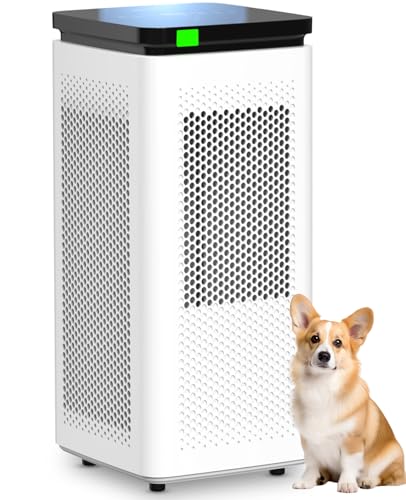
Air Purifiers for Home Large Rooms up to 3500 Ft², H13 True HEPA 0.1 Micron 99.97% Filtration with Carbon Filter, 235 CFM CADR, for Pollen, Pet Odor, Smoke, VOCs, 30dB Sleep Mode, PM2.5 Display
H13 True HEPA + Carbon Filter – Removes Odors & Smoke: Equipped with H13 True HEPA (0.1μm, 99.97%)...
As an affiliate, we earn on qualifying purchases.
Amazon Product B0FMF9WWMD
As an affiliate, we earn on qualifying purchases.