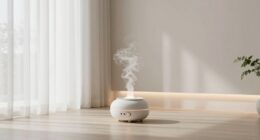
Hydrosols and essential oils both add lovely scents to your home, but they differ in strength and safety. Essential oils are highly concentrated and offer powerful therapeutic benefits, so they require careful dilution. Hydrosols are milder, safer for daily use, and perfect for those sensitive to stronger aromas. Your choice depends on your desired scent intensity and comfort with handling concentrates. To discover which option best suits your needs, explore their unique qualities thoroughly.
Key Takeaways
- Essential oils are potent concentrates ideal for therapeutic uses, while hydrosols offer milder, more subtle scents suitable for daily home use.
- Hydrosols are generally safer for direct application and sprays, whereas essential oils require proper dilution to prevent skin irritation.
- Choose essential oils for stronger aromatherapy benefits; opt for hydrosols for gentle, refreshing scents without overpowering aromas.
- Hydrosols are better for sensitive individuals or those seeking a softer, safer approach to home scenting.
- Both can enhance home ambiance but depend on desired scent strength, safety considerations, and therapeutic goals.

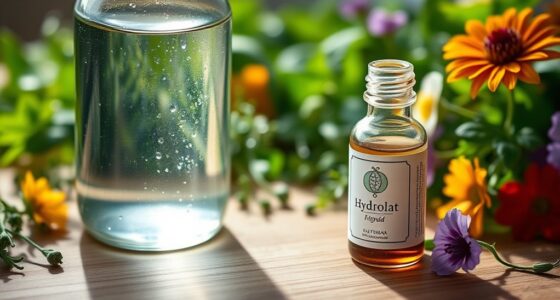
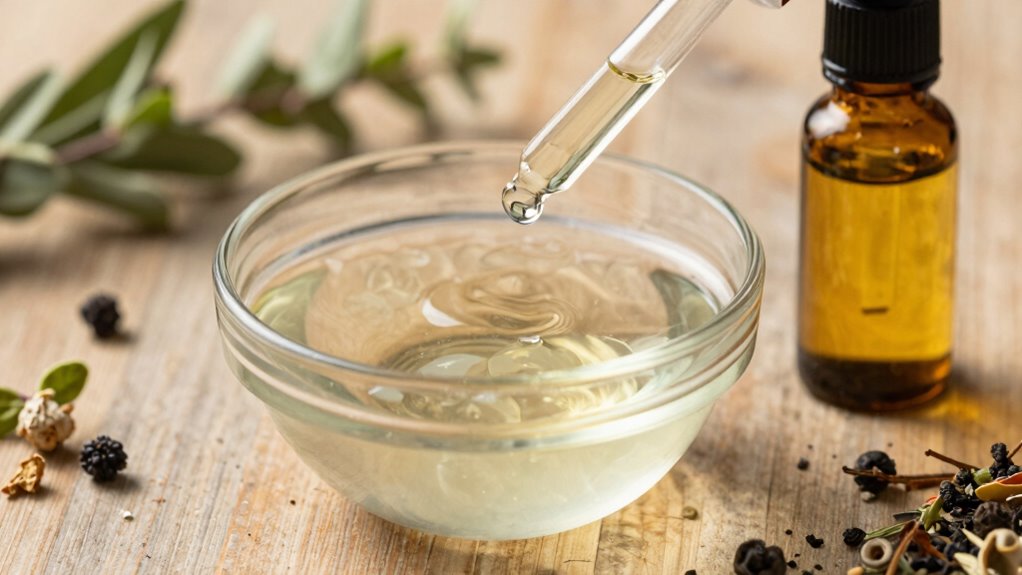
When choosing between hydrosols and essential oils, understanding their differences can help you make an informed decision for your needs. Both are popular options for home scenting and aromatherapy, but they serve different purposes and come with distinct characteristics. Hydrosols, also known as floral waters or hydrolats, are the byproduct of steam distillation. They contain the water-soluble components of plant material, offering a gentle, milder scent compared to essential oils. Essential oils are concentrated plant extracts obtained through distillation or cold pressing, capturing the pure essence of the plant’s aromatic compounds. This concentration makes essential oils highly potent and effective but also requires careful handling.
Hydrosols are gentle, water-soluble plant waters, while essential oils are concentrated, potent extracts requiring careful use.
In terms of aromatherapy benefits, essential oils are often preferred for their strong therapeutic properties. They can help improve mood, reduce stress, or promote relaxation when used correctly. Hydrosols, on the other hand, tend to provide a subtler aroma that can still boost your well-being, especially when you want a more delicate scent or are sensitive to stronger oils. For home scenting, both options create a pleasant environment, but your choice depends on your goals. If you’re seeking therapeutic effects like mood enhancement or stress reduction, essential oils may be more suitable. For a gentle, revitalizing aroma that can be used daily without concern, hydrosols are a great option.
Safety considerations are vital when working with these plant extracts. Essential oils are highly concentrated and can cause skin irritation, allergic reactions, or toxicity if misused. It’s important to dilute them properly, perform patch tests, and avoid ingestion unless guided by a professional. Hydrosols are generally safer because they are much milder and contain fewer concentrated compounds, making them suitable for direct application on the skin or in sprays without extensive dilution. However, even with hydrosols, it’s wise to choose high-quality, pure products to avoid contaminants or additives that could cause adverse reactions. Additionally, understanding distillation processes can help you select higher-quality products and ensure safe use.
Ultimately, your decision should factor in your specific needs, sensitivities, and the environment you want to create. If you’re after potent therapeutic effects and are comfortable with proper handling, essential oils offer more versatility. If you prefer a softer, safer option for everyday use, hydrosols provide a gentle, aromatic alternative. Both can enhance your home’s ambiance, but understanding their aromatherapy benefits and safety considerations helps you select the right one for your lifestyle.

ASAKUKI Essential Oil Diffuser for Home, 500ML Aromatherapy Diffuser Humidifier with Remote Control, 7 Color LED Lights, Quiet Cool Mist Diffuser for Bedroom, Office, Gift for Mom (Yellow)
5-IN-1 AROMATHERAPY DEVICE: This ultrasonic essential oil diffuser is an amazing multi-functional aromatherapy device unlike any other you've…
As an affiliate, we earn on qualifying purchases.
As an affiliate, we earn on qualifying purchases.
Frequently Asked Questions
Are Hydrosols Safe for Pets and Children?
Hydrosols are generally safer for pets and children than essential oils, but you should still follow pet safety guidelines and dilution guidelines. Always dilute hydrosols before use, especially around animals and kids, to prevent any adverse reactions. Keep hydrosols out of reach, monitor their response, and consult a veterinarian if you’re unsure. Proper use and caution help make certain your home remains safe and fragrant.
How Long Do Hydrosols and Essential Oils Last?
You can expect hydrosols to last about 1 to 2 years with proper storage, while essential oils typically last 2 to 5 years or longer. To maximize shelf life, keep both in dark glass bottles, away from heat and sunlight. Store them in a cool, dry place, and make certain caps are tightly sealed after each use. Proper storage tips help preserve their aroma and potency over time.
Can Hydrosols Replace Essential Oils in Aromatherapy?
Hydrosols can’t fully replace essential oils in aromatherapy because of their lower essential oil potency. While hydrosol therapeutic benefits include gentle, soothing effects and a lighter scent, they lack the concentrated aroma and therapeutic potency of essential oils. If you seek stronger, targeted benefits, essential oils are your best choice. However, for a milder, calming experience, hydrosols make a lovely, natural alternative.
Are There Any Allergic Reactions to Hydrosols?
Imagine a gentle mist brushing your skin, but sometimes, hydrosols can trigger allergic sensitivities or skin reactions. While they’re generally milder than essential oils, allergic reactions are possible, especially if you’re sensitive to certain plant compounds. Always do a patch test first, and consult with a healthcare professional if you notice any irritation. Staying cautious guarantees your aromatic experience remains soothing, not problematic.
Which Is More Cost-Effective for Home Scenting?
Hydrosols are more cost-effective for home scenting because they usually come at a lower price point than essential oils. If you’re on a budget, hydrosols offer a budget-friendly option that still provides lovely, natural scents. When comparing costs, you’ll find hydrosols require less investment upfront and last longer when used in sprays or diffusers, making them a smart choice for those seeking an affordable way to enjoy natural home fragrances.
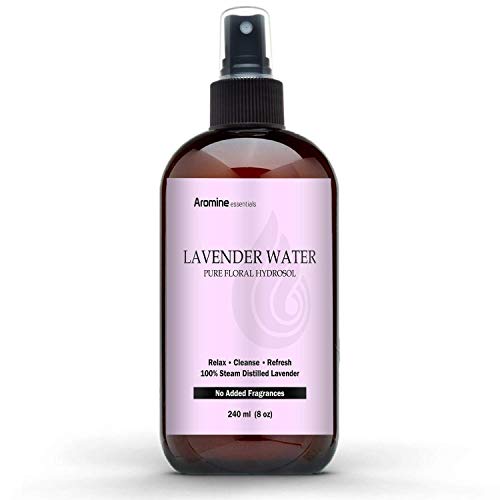
Lavender Floral Water Hydrosol, 8oz (240ml)
100% Pure Lavender Hydrosol Floral Water from Lavendula Angustofolia
As an affiliate, we earn on qualifying purchases.
As an affiliate, we earn on qualifying purchases.
Conclusion
Ultimately, choosing between a hydrosol and an essential oil depends on your needs. For instance, if you want a gentle, soothing scent for your bedroom, a lavender hydrosol might be perfect. Imagine someone using it daily to promote relaxation without overpowering their space. By understanding the differences, you can create a safer, more personalized home environment. Experiment and see which option resonates best with your lifestyle—your senses will thank you.

Lagunamoon Essential Oils Aromatherapy Set – 6 Oils for Diffusers, Home Care, Candle Making Scents, Fragrance, Humidifiers, Gifts – Peppermint, Tea Tree, Lavender, Eucalyptus, Orange (10mL)
Top selling essential oils set: We create our essential oils using rigorously tested ingredients. Top blends, make pampering…
As an affiliate, we earn on qualifying purchases.
As an affiliate, we earn on qualifying purchases.
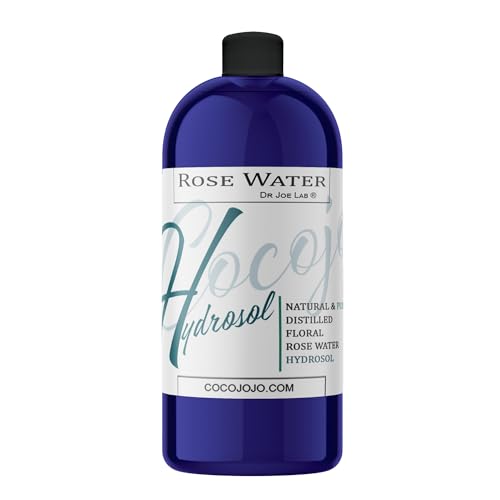
Rose Hydrosol Water Spray Toner 32 oz for Face Hydrating Mist Hydration Pure & Natural Rosewater Hydrosol All Skin Types Face Skin Pores Body Locs Cleansing Bulk Refill COCOJOJO – Packaging May Vary
Cocojojo Rose Hydrosol is a hydrating facial mist with rose water which is made with natural roses. With…
As an affiliate, we earn on qualifying purchases.
As an affiliate, we earn on qualifying purchases.