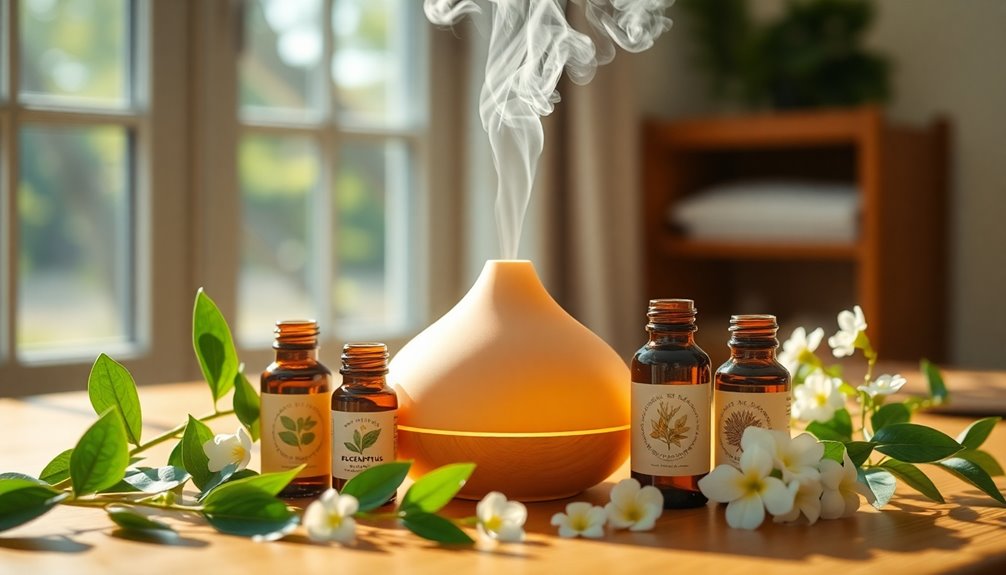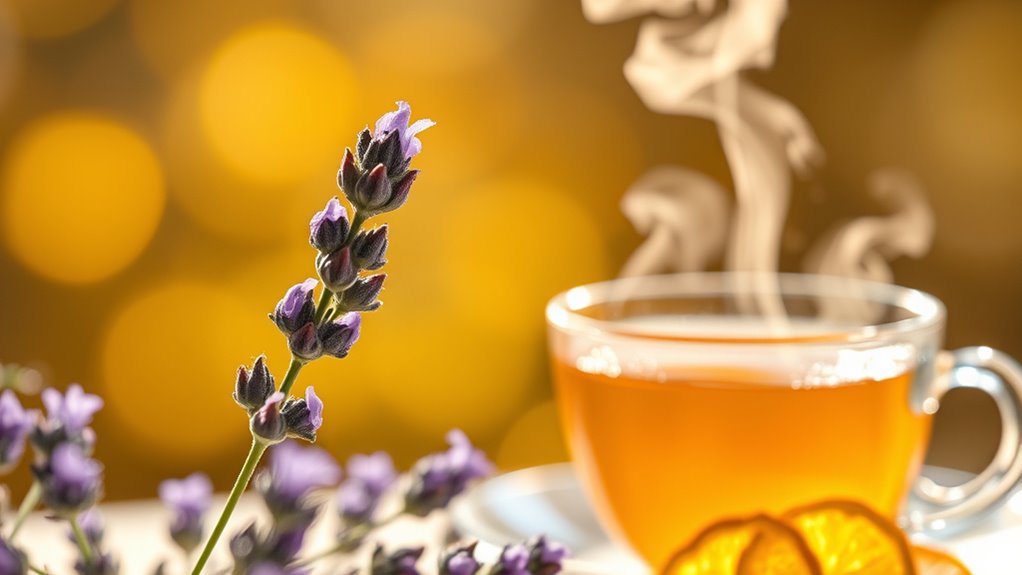

Scent psychology reveals how aromas can dramatically influence your mood. Familiar scents trigger emotional responses, often linked to cherished memories, thanks to their connection with the limbic system. For instance, lavender calms anxiety, while citrus scents energize and uplift. You can easily incorporate scent therapy into your daily routine with essential oils or scented candles. By exploring different aromas, you’ll discover what truly resonates with you and enhances your emotional well-being. Discover the various scents that can elevate your mood further.

Get oils, diffusers and self-care delivered free — and shop member deals
- Fast, free delivery on millions of items
- Access to Prime Big Deal Days deals on October 6–7
- Prime Video, Amazon Music and more included
Key Takeaways
- Scents trigger olfactory memory, connecting directly to emotions and evoking vivid feelings associated with past experiences.
- The limbic system processes scents differently, facilitating strong emotional responses tied to specific aromas.
- Scent therapy utilizes specific aromas, like lavender for calmness and citrus for energy, to enhance mood and well-being.
- Personal experimentation with scents helps individuals discover which aromas improve focus and relaxation based on their preferences.
- Essential oils provide a natural method to influence mood, supporting emotional well-being without the need for medication.
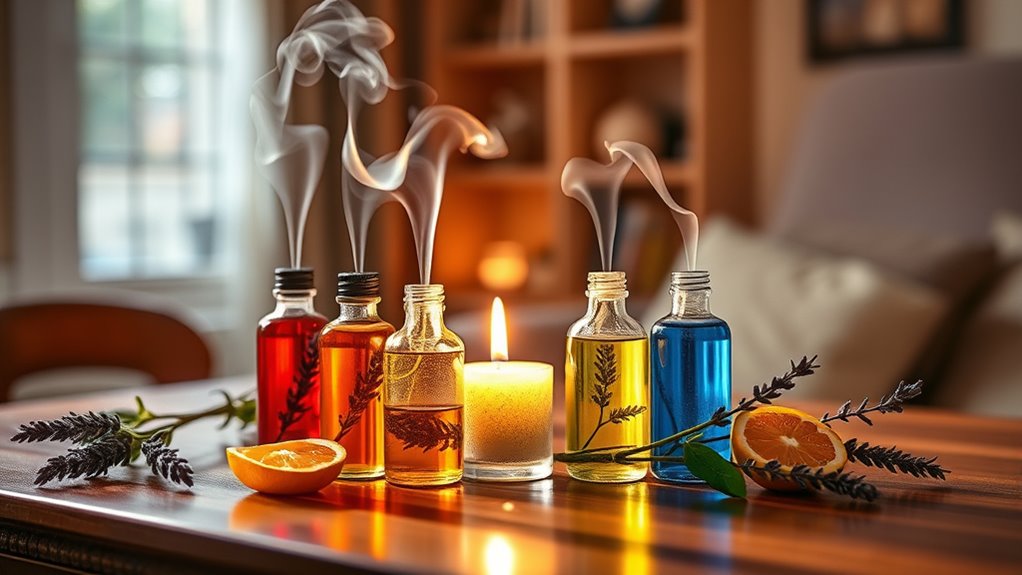
Have you ever noticed how a particular scent can instantly transport you back to a cherished memory? Maybe it’s the smell of freshly baked cookies that reminds you of your grandmother’s kitchen or the scent of ocean breeze that takes you back to a summer vacation. This phenomenon is known as olfactory memory, and it’s a powerful link between our sense of smell and our emotions. Your brain processes scents differently than other senses, which is why a whiff of something familiar can evoke feelings and recollections so vividly.
The scents we encounter can unlock cherished memories, connecting our emotions to vivid recollections from the past.
Olfactory memory is unique because it’s directly tied to the limbic system, the part of your brain responsible for emotions and memories. When you catch a familiar scent, it can trigger a cascade of memories and feelings associated with that aroma. This is why scent can evoke nostalgia, joy, or even sadness. It’s almost like time travel, allowing you to relive moments you thought were long gone. You might find that a particular fragrance can uplift your spirits or ground you during stressful times.
This connection between scent and emotion is where scent therapy comes into play. By using specific aromas, you can influence your mood and overall well-being. For instance, lavender is often used for its calming effects, helping to reduce anxiety and promote relaxation. On the other hand, citrus scents like lemon or orange can energize you, boosting your mood and productivity. Incorporating scent therapy into your daily routine can be as simple as lighting a scented candle or using essential oils in a diffuser. Additionally, certain essential oils like lavender oil can enhance relaxation and further support emotional well-being.
You don’t need to be a trained aromatherapist to benefit from scent therapy. Just pay attention to how different smells affect you personally. You might find that certain scents help you focus while studying, or perhaps a specific aroma can bring you peace after a long day. It’s all about discovering what works best for you.
lavender essential oil for relaxation
As an affiliate, we earn on qualifying purchases.
As an affiliate, we earn on qualifying purchases.
Frequently Asked Questions
Can Certain Scents Improve Cognitive Performance or Focus?
Yes, certain scents can enhance your cognitive performance and focus. When you inhale specific aromas, your olfactory receptors send signals to your brain, which can help you concentrate better. For instance, scents like peppermint or citrus can boost alertness. By incorporating scent modulation into your environment, you can create a more productive atmosphere. So, next time you need to focus, try using a scent that energizes and sharpens your mind!
How Do Individual Scent Preferences Vary Among Cultures?
Individual scent preferences vary widely among cultures due to unique cultural scent traditions and regional aroma preferences. For instance, certain spices might evoke nostalgia in one culture, while they could be off-putting in another. You might find that floral scents are cherished in some regions, while earthy aromas are favored elsewhere. These preferences shape how you perceive and react to different scents, reflecting your cultural background and personal experiences.
Are There Any Risks Associated With Essential Oils?
Oh sure, just slather yourself in essential oils and hope for the best! But really, there are risks involved. You should always take safety precautions and remember that some oils can trigger allergy concerns. If you’re not careful, your relaxing lavender might turn into a sneezing fit. So, patch test new oils and consult a professional if you’re unsure. Trust me, your sinuses will thank you for it!
Can Scents Trigger Specific Memories or Emotions?
Yes, scents can definitely trigger specific memories or emotions. This phenomenon, known as olfactory nostalgia, stems from the strong scent memory connection your brain creates. When you smell a particular aroma, it can transport you back to a moment in time, evoking feelings tied to that experience. Whether it’s the scent of fresh cookies or a favorite perfume, these smells can spark vivid recollections and emotional responses that resonate deeply within you.
How Does Scent Influence Consumer Behavior in Marketing?
Scent influences consumer behavior in marketing by creating strong emotional connections. When you experience scent branding, it triggers memories and feelings that can lead to brand loyalty. Olfactory marketing engages your senses, making products more memorable and appealing. For instance, a pleasant aroma in a store can enhance your shopping experience, encouraging you to stay longer or purchase more. By strategically using scents, brands effectively shape your perceptions and drive your buying decisions.
Conclusion
As you breathe in those mesmerizing aromas, you might wonder just how deeply they’re weaving into your emotions. Each scent carries a secret, whispering memories and stirring feelings you thought were long forgotten. What if a single whiff could shift your mood, spark your creativity, or calm your nerves? The next time you encounter a familiar fragrance, pause and let it envelop you. You never know what hidden power lies within that alluring scent, waiting to be discovered.
Halloween Picks
halloween
As an affiliate, we earn on qualifying purchases.